Proudly serving Mesa, Tempe, Phoenix, Chandler, Gilbert, Queen Creek & surrounding areasCall or Text 24/7: 602-905-5577

Water Softeners in Apache Junction, AZ | RO, Filtration & Repair

Mesa Water Softeners provides water softeners, reverse osmosis, whole house filtration, and water softener repair for homes and businesses in Apache Junction, AZ. We build each recommendation around local hardness testing, your plumbing layout, and the way your household or facility uses water. Our team installs salt-based systems, saltless conditioners, residential water softener systems, commercial softeners, and carbon filtration when additional treatment is needed. From the first assessment through system startup, the goal is a clean, properly sized solution that protects plumbing, fixtures, and appliances.

Apache Junction sits at the eastern edge of the Phoenix metro, where desert geology and regional water sources create heavy calcium and magnesium loading. Those minerals scale up pipes, coat fixtures with white residue, and shorten the life of water heaters, dishwashers, and washing machines. A whole-house softener addresses scale at the main line, while reverse osmosis and carbon filtration can target drinking-water purity, chloramine taste, and additional contaminants identified by testing. We test before recommending equipment so your estimate reflects measured hardness, source water, and the right treatment sequence.

Service coverage follows the US-60 corridor from Mesa into Apache Junction, Gold Canyon, Queen Creek, Chandler, Gilbert, Tempe, and nearby East Valley communities. Request a water assessment to learn whether a softener, RO system, carbon filter, repair visit, or multi-stage treatment plan fits your water.

★ ★ ★ ★ ★4.9/5 Average Rating - 20+ Years of Experience - Apache Junction Water Treatment Experts - Residential & Commercial
Water Treatment

Local Water Treatment Services in Apache Junction, AZ

Apache Junction water can require more than one treatment step, so this page organizes the services by what each system solves: whole-house softening for scale, reverse osmosis for drinking water purity, carbon filtration for chloramine taste and odor, and repair or maintenance when an existing unit stops performing. Mesa Water Softeners also serves nearby East Valley communities with similar hard-water conditions, including Scottsdale , Gold Canyon, Queen Creek, Chandler, Gilbert, and Tempe.

Water Softeners

Placeholder image 1

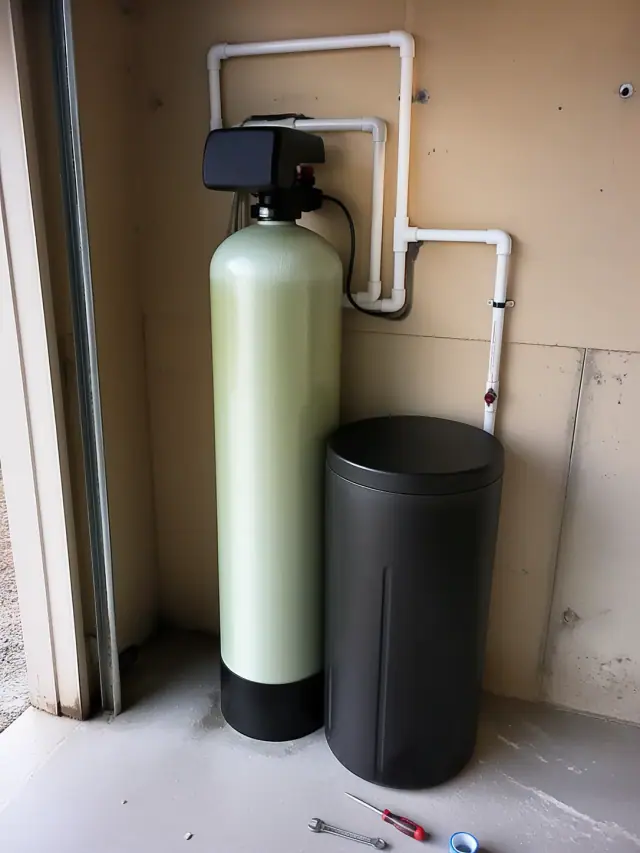
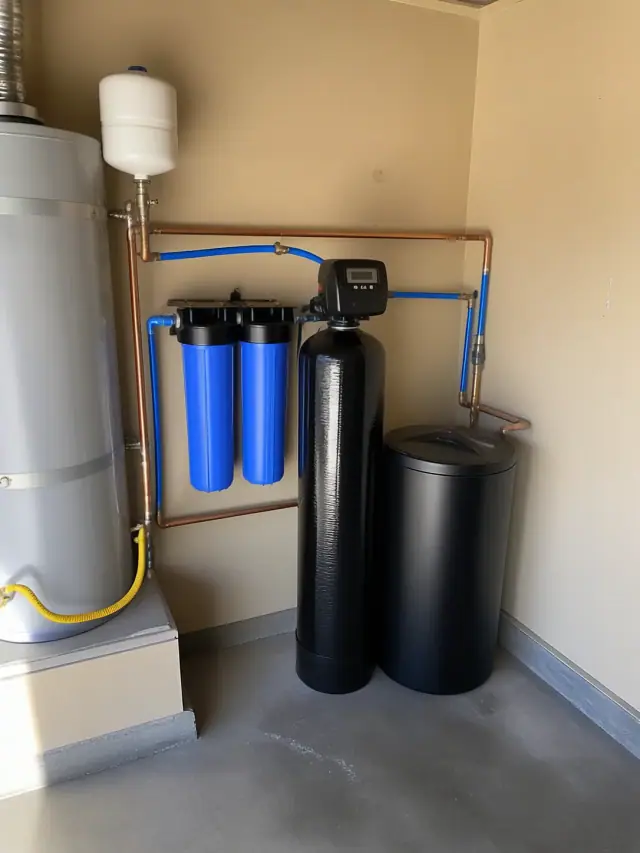
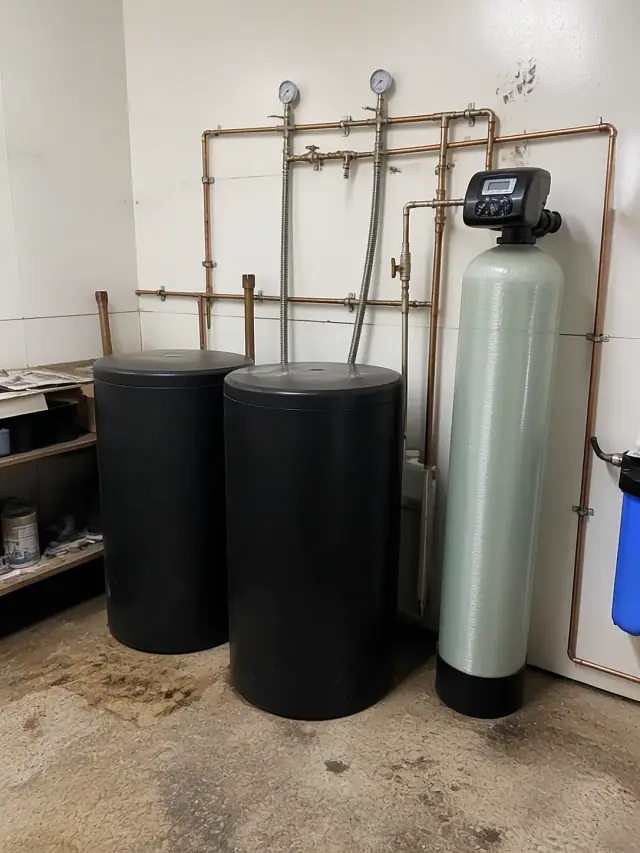
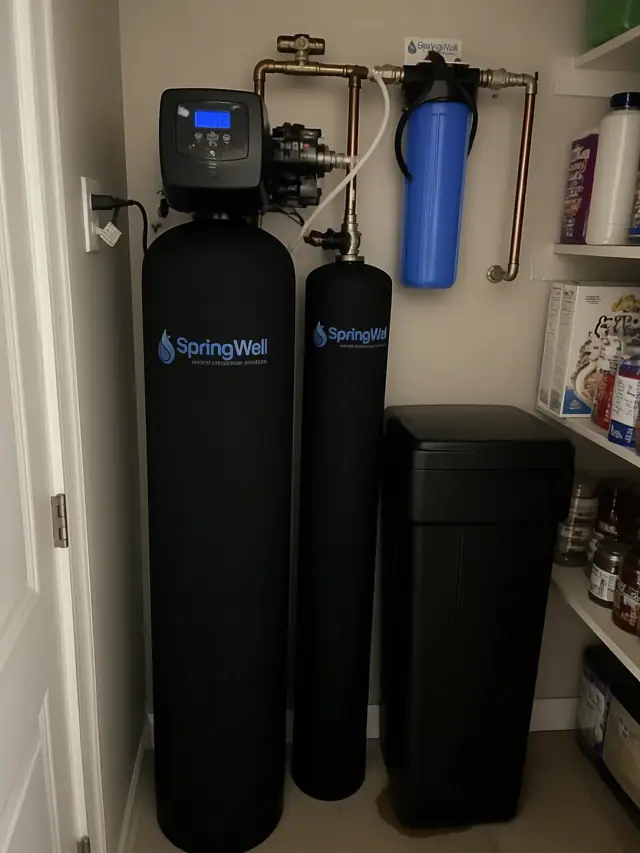
A whole-house water softener treats the main line so showers, taps, water heaters, dishwashers, and washing machines receive conditioned water. In Apache Junction, we size systems around measured grain hardness, household use, and mineral load rather than a generic tank recommendation. Proper softening reduces the calcium and magnesium scale that leaves fixtures coated and shortens appliance life.

Explore Service

Reverse Osmosis

Placeholder image 2

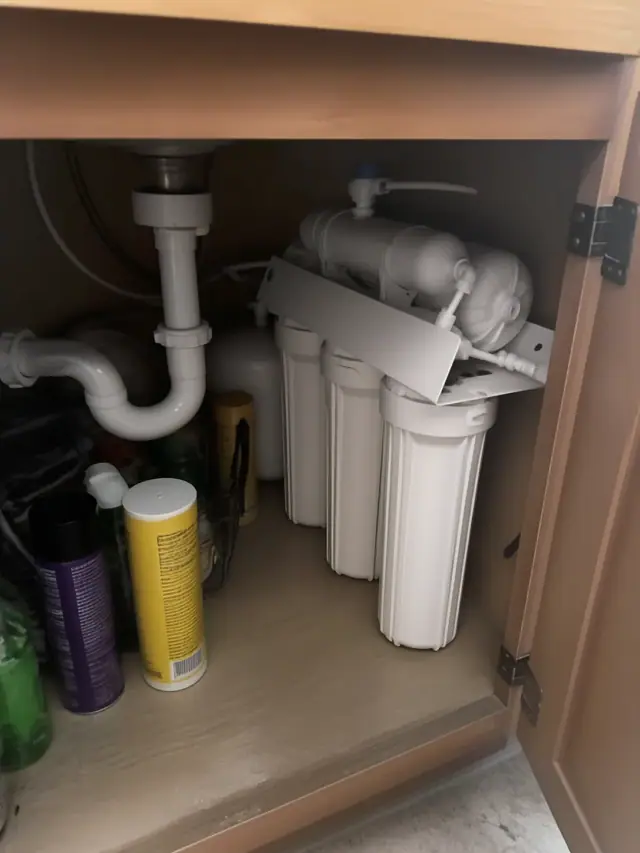
Reverse osmosis is used where drinking and cooking water need a higher level of purification than a softener alone can provide. We install under-sink RO systems and whole-house RO configurations, with under-sink systems commonly paired with a softener at the kitchen tap. RO can reduce dissolved minerals, nitrates, arsenic, fluoride, and other contaminants while the softener protects plumbing and appliances.

Explore Service

Whole House Filtration

Placeholder image 3

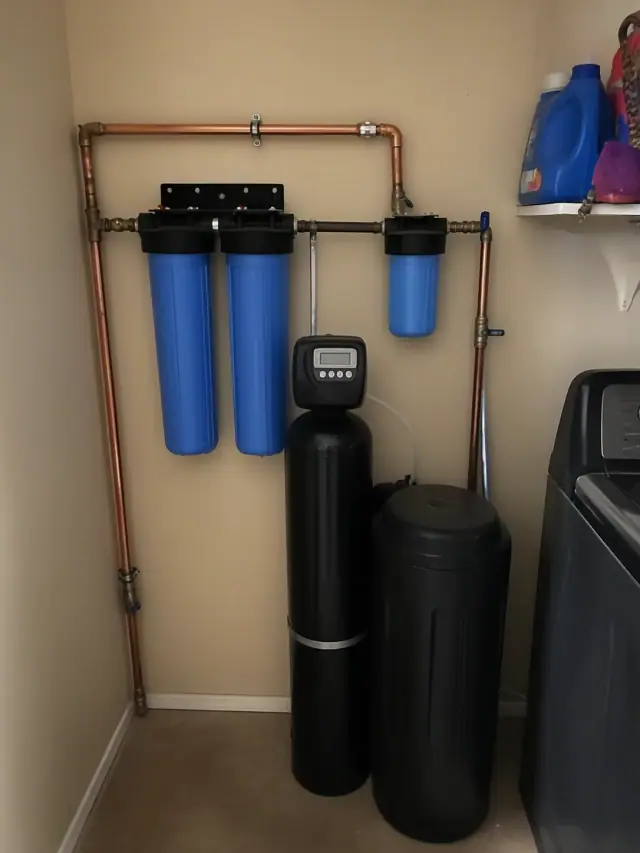
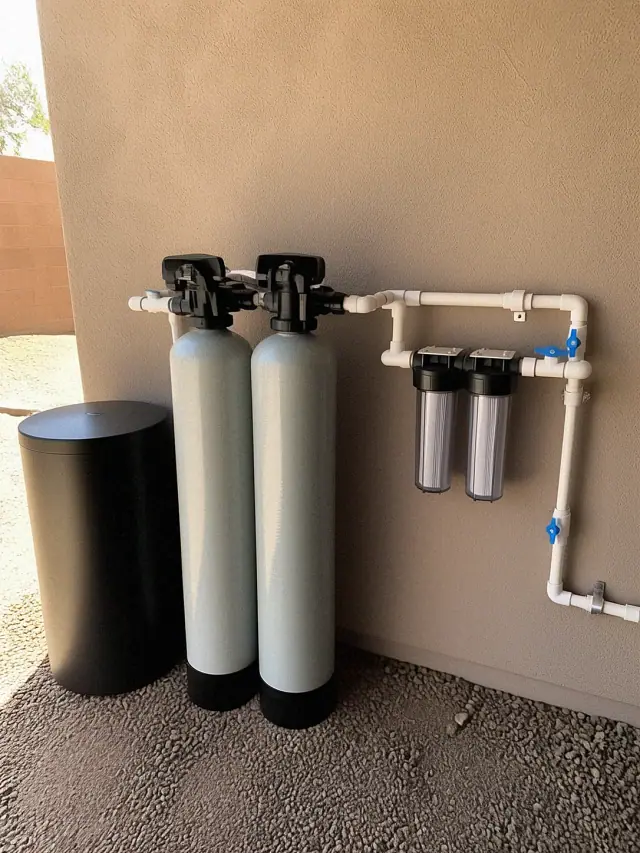
Whole house filtration targets sediment, chlorine, chloramines, and volatile organic compounds at the main line before water reaches fixtures. We install sediment pre-filters and activated carbon systems upstream of softeners when test results or source water conditions call for additional treatment. On private wells around Apache Junction, filtration may be the first step before softening so iron, manganese, or sediment do not foul downstream equipment.

Explore Service

Water Softener Repair

Placeholder image 4

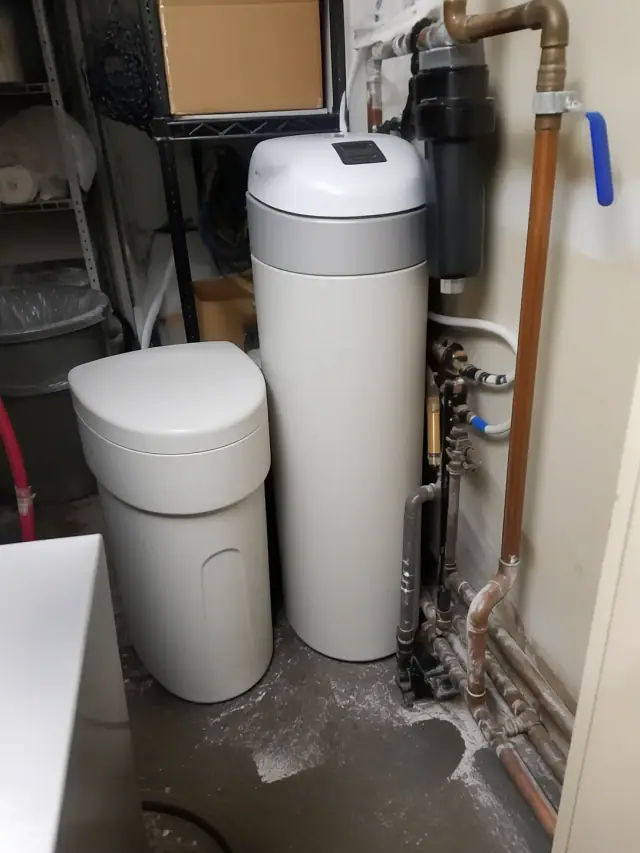
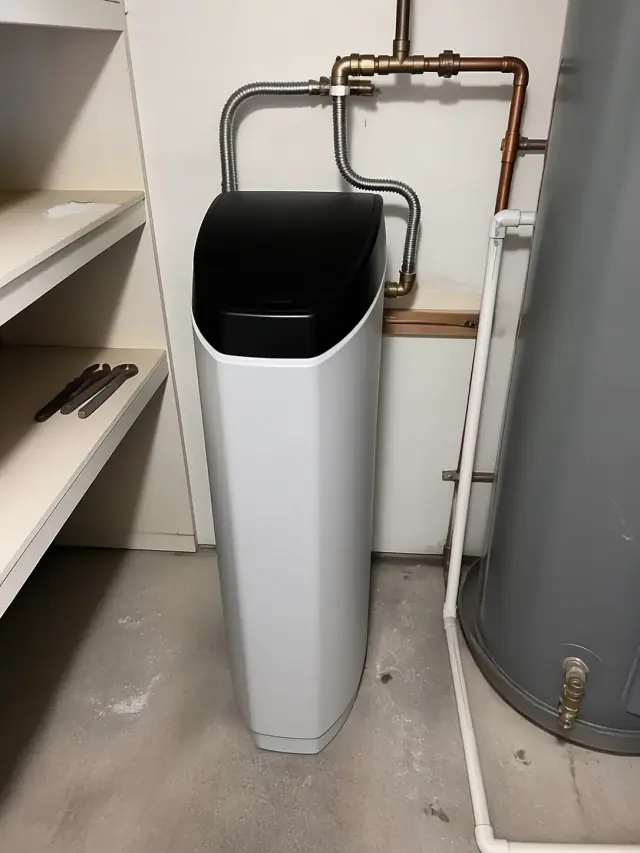
Repair starts with the symptoms: constant regeneration, no regeneration, hardness breakthrough, salt bridging, injector clogging, or a control valve that no longer cycles correctly. We diagnose the system on-site and carry common parts such as control valve components, injectors, distributor tubes, and resin so many repairs can be completed in a single visit. Calling before the resin bed degrades can help avoid a full replacement when a targeted repair is still practical.

Water Softener Maintenance

Placeholder image 5

Maintenance keeps a softener producing at its rated efficiency in Apache Junction's high-hardness water. A typical annual visit includes brine tank cleaning, resin bed cleaning, injector and screen inspection, and a control valve check. Homeowners should also keep the brine tank supplied with the correct salt grade and watch for salt mushing or bridges that block brine draw.

Residential Water Softener Systems

Placeholder image 6

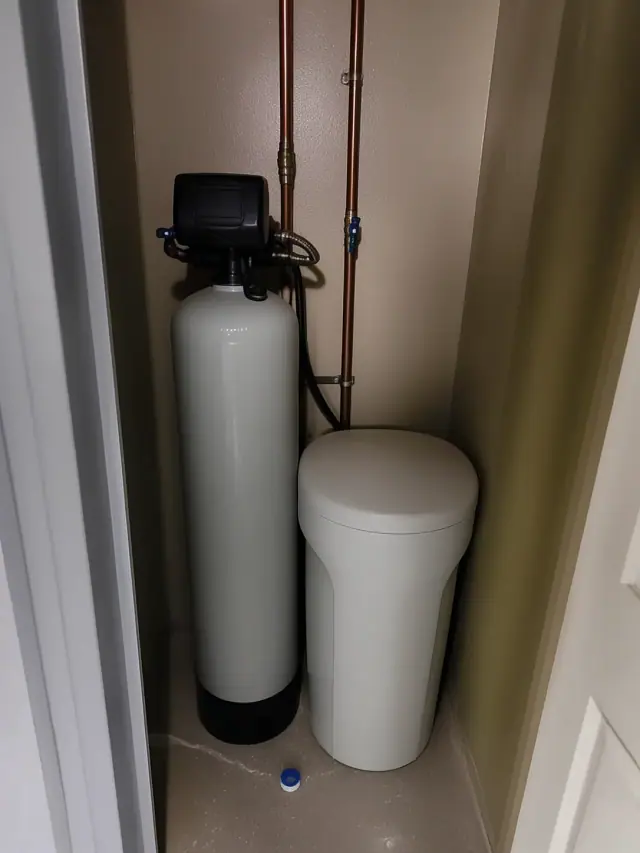
Residential systems are selected around the number of people in the home, daily gallons used, tested hardness, and any iron content that affects resin life. We install demand-initiated systems that regenerate based on actual water consumption instead of a fixed timer. That approach helps balance consistent soft water with lower salt and water use.

Salt Water Softener Installation

Placeholder image 7

Salt-based ion exchange is the option that physically removes calcium and magnesium from the water. Sodium ions on the resin exchange with hardness minerals, and a sodium chloride brine regenerates the resin so the system can continue producing water measurable below 1 gpg. This approach is best suited for households focused on scale prevention and appliance protection.

Saltless Water Softener Installation

Placeholder image 8

Saltless systems such as template-assisted crystallization and electrically induced precipitation condition hardness minerals rather than remove them. They require no salt, no electricity, and no brine discharge, but they will not reduce total dissolved solids or show lower hardness on a standard test strip. We explain that difference before installation so expectations match the technology.

Commercial Water Softener Installation

Placeholder image 9

Commercial softening is designed around peak demand flow in gallons per minute as well as daily volume. Restaurants, laundromats, medical facilities, car washes, and light industrial sites may need larger resin volumes or duplex systems where one vessel regenerates while the other remains in service. We plan commercial installations around the plumbing, flow rate, and treatment goals for the specific facility.

Carbon Filtration Additional Treatment

Placeholder image 10

Carbon filtration is an additional treatment step for chlorine, chloramines, taste compounds, and many organic chemicals. Because Maricopa County water is treated with chloramines rather than only free chlorine, catalytic carbon may be required instead of standard granular activated carbon. Carbon units can stand alone or sit upstream of a softener or RO system as part of a multi-stage treatment train.

System Selection

How to Choose the Right Water Treatment System in Apache Junction

The right system depends on what your water test shows, how much water your household uses, and whether your source is municipal water or a private well. We compare salt-based softening, saltless conditioning, reverse osmosis, whole-house filtration, and carbon filtration as different tools rather than one-size-fits-all upgrades. The goal is to match the equipment to hardness, iron, sediment, chloramine, TDS, and drinking-water concerns without unnecessary add-ons.

Start With Hardness Testing

Hardness testing identifies dissolved calcium and magnesium in grains per gallon, the same unit used to rate softener resin capacity. We also test for iron, manganese, pH, total dissolved solids, and chloramine presence because those factors can change the correct treatment sequence. Starting with testing keeps the recommendation tied to Apache Junction water at your tap.

Size by Grain Load

Sizing uses daily water use multiplied by hardness in grains per gallon to estimate the daily grain load. A properly selected tank is then sized to handle about 7 to 10 days of load between regenerations. That balance helps avoid the salt waste of an undersized system and the long standby time of an oversized one.

Match Source Water and Plumbing

Apache Junction homes can have slab foundations, older copper, modern PEX, private well setups, and housing stock that ranges from older 1970s tract homes to newer subdivisions. Each installation needs the right fittings, bypass layout, drain routing, and source-water sequence. We check the main-line entry point, pressure conditions, and whether pre-treatment is needed before the softener so a good system is not installed in the wrong location.

Choose Salt-Based or Saltless

Salt-based ion exchange removes hardness minerals and can produce water below 1 gpg after regeneration. Saltless TAC or EIP systems condition calcium carbonate so it is less likely to adhere to pipes and heating elements, but they do not remove hardness. We help compare the tradeoffs around brine discharge, salt use, testing results, and scale protection.

Add Filtration Where Needed

A softener does not remove every water-quality concern. Sediment filtration, catalytic carbon, and reverse osmosis may be added when tests show chloramines, elevated TDS, arsenic, nitrates, iron, or taste issues. Building the treatment train in the right order helps protect the softener and improve water where it matters most.

Plan for Maintenance

A water softener installed in this area can last 15 to 20 years with proper maintenance, while neglected systems may fail around year 7. High-iron water can shorten resin life if it is ignored, so plan on annual cleaning and inspection, including brine tank cleanup, resin cleaning, injector inspection, and control valve checks. Ongoing care helps catch slow regeneration or hardness breakthrough early.

Apache Junction Water Issues

Common Hard Water Problems in Apache Junction Homes

Untreated hard water shows up as visible scale, spotted dishes, stiff laundry, low-flow fixtures, and higher stress on water heaters and appliances. In Apache Junction, hardness is often compounded by iron, sediment, chloramines, and local groundwater conditions, so symptoms can point to more than one treatment need. Testing the water before selecting equipment helps separate scale control from drinking-water purification and additional filtration.

Test My Water

Scale on Fixtures and Shower Glass

Calcium carbonate scale builds around faucet aerators and showerheads until flow drops or spray patterns clog. Shower glass can also develop persistent white residue and etching from repeated mineral exposure. A properly sized softener addresses the hardness minerals causing this buildup.

Water Heater and Appliance Scale

Hardness minerals collect on water heater elements and inside dishwashers, washing machines, ice makers, and other appliances. The scale makes equipment work harder to reach the same performance and can shorten service life. Whole-house softening protects these high-use parts of the home from the main line.

Hardness Breakthrough

Hardness breakthrough happens when a softener is undersized, programmed incorrectly, fouled by iron, or unable to regenerate properly. You may notice spotted dishes, reduced lather, or fixtures scaling again even though the system is present. Testing the outlet water shows whether the unit is still producing soft water.

Iron and Sediment

Iron, manganese, and sediment can foul resin, clog injectors, and leave staining or particles in the home. Well water around Apache Junction often needs pre-treatment before softening so these contaminants do not overwhelm the resin bed. A sediment pre-filter or iron filter may be part of the treatment plan when testing shows the need.

Chloramine Taste and Odor

A softener will not remove chloramine taste or odor from municipal water. Carbon filtration is the better tool, and chloramine reduction may require catalytic carbon rather than standard GAC. This additional treatment is often placed upstream of a softener or at the whole-house entry point.

Well Water Treatment Challenges

Private well systems can carry high hardness along with iron, manganese, sediment, and hydrogen sulfide. Installing a softener without the right pre-treatment can foul the resin and reduce performance. We test well water on-site and design the treatment train around the actual results.

Why Choose Us

Why Choose Mesa Water Softeners in Apache Junction?

Mesa Water Softeners builds recommendations from water testing, system sizing, and real local conditions instead of a generic package. We account for Apache Junction's high hardness, East Valley source water, private-well variables, and the plumbing layouts common in local homes. Each plan explains the system capacity, estimated regeneration details, needed pre-treatment, and clear pricing before installation begins.

East Valley Water Knowledge

Our service area runs along the US-60 corridor from Mesa through Apache Junction and nearby East Valley communities. Mesa is a 140-square-mile city with more than 504,000 residents in the 2020 census, and the same regional hard-water concerns extend east toward Apache Junction. That local context matters because hard water, chloramine treatment, elevated TDS, and private-well issues can vary by source.

Clear Written Treatment Plans

After testing and sizing, you receive a written plan that explains the recommended equipment, rated capacity, estimated salt consumption per regeneration cycle, and any filtration needed before the softener. Pricing is presented up front, and required pre-treatment is included in the initial recommendation rather than treated as a surprise add-on.

Support After Installation

We remain available for maintenance, troubleshooting, repair, and replacement support after startup. That continuity matters when a control valve needs service, a brine tank develops salt bridging, or a resin bed needs cleaning in high-iron water. You know who to call when the system needs attention years later.

Simple Process

Our Water Treatment Process in Apache Junction

Our process starts with what your water and plumbing actually require, then moves through sizing, installation, startup, and owner education. Each step is designed to prevent common mistakes such as undersized tanks, poor drain routing, missing bypass valves, or filtration stages installed in the wrong order. The result is a system that can be serviced, isolated, and maintained over time.

01.

On-Site Water Assessment

We inspect the water supply, main-line entry, existing plumbing, possible installation location, drain access, and bypass options. For Apache Junction homes, this often means checking a garage utility area or utility closet and confirming whether the property uses municipal water or a private well.

02.

Water Quality Testing

We test at the tap for total hardness, iron, manganese, pH, total dissolved solids, and chloramine presence. The results determine whether a softener alone is enough or whether sediment, iron, carbon, or reverse osmosis treatment should be added.

03.

System Sizing and Plan

We calculate daily grain load from your water use and measured hardness, then select the resin capacity and regeneration interval. The treatment plan also identifies the right salt type, pre-treatment needs, and any RO or carbon filtration that belongs in the system.

04.

Professional Installation

Most residential installations take 2 to 4 hours when the plumbing and drain access are straightforward. We cut into the main line downstream of the meter and pressure regulator, install a full-port bypass valve, connect the drain line to an air gap, and pressure-test the work before startup.

05.

Startup Programming

The control head is programmed for the resin capacity, daily grain load, peak water use hours, and water conditions found during testing. Backwash, brine draw, rinse, and refill cycles are set so the system regenerates correctly instead of wasting salt or passing hard water.

06.

Final Testing and Walkthrough

After startup, we test outlet hardness with a calibrated kit to confirm the system is producing water below 1 gpg when designed to soften. We also verify the brine tank refill, check the bypass valve, explain the regeneration cycle, and show you how to monitor salt levels. You will know what an overnight cycle may sound like if the system regenerates around 2 a.m.

Result Examples

Water Treatment Outcomes for Apache Junction Homes & Businesses

Case Study 1: Result Example 1: A residential softener plan can pair main-line scale protection with an under-sink RO unit at the kitchen tap, giving the home soft water for appliances and purified water for drinking and cooking.

Case Study 2: Result Example 2: A private-well treatment plan may start with sediment or iron filtration before the softener so resin is not fouled by iron, manganese, or particles.

Case Study 3: Result Example 3: A commercial installation may use larger resin volumes or a duplex configuration so restaurants, laundromats, medical offices, or car washes can meet peak demand while one vessel regenerates.

Get Better Water

Schedule a Water
Treatment
Consultation

Ready to stop guessing about hard water, filtration, or RO options? Schedule an Apache Junction water assessment with Mesa Water Softeners, and we will test the water, review your plumbing, and explain which system or service fits your home or business. You will receive clear recommendations before installation, repair, or maintenance work begins.

Local Water Help

FAQs About Water Softeners in Apache Junction, AZ

These answers cover common questions about water softeners, reverse osmosis, filtration, repair, maintenance, and local water conditions in Apache Junction. The best recommendation still starts with testing your water at the tap.

Call Our Team

Most residential water softener installations in Apache Junction take 2 to 4 hours from equipment arrival through startup. The timeline can be longer when the main line is difficult to access, the drain is far from the installation point, or the plumbing requires more complex routing. Commercial systems with larger pipe sizes or duplex configurations may require a longer installation window.

In Apache Junction and across the East Valley, hard water accelerates scale in water heaters, dishwashers, washing machines, fixtures, and pipes. Local household savings are described at roughly $125 per month through lower soap use, reduced energy loss, and longer appliance life, with many systems paying back in 20 to 26 months. The exact value depends on your water use, hardness level, equipment, and maintenance.

A hardness test measures dissolved calcium and magnesium in grains per gallon, the same unit used to size softener resin. One grain per gallon equals 17.1 ppm, and anything above 7 gpg is considered hard enough to create scale concerns. We also check iron, manganese, pH, TDS, and chloramine because those factors affect pre-treatment and equipment selection.

A whole-house softener treats water at the main line to protect fixtures, pipes, water heaters, and appliances from scale. An under-sink reverse osmosis system treats water at one point of use, usually the kitchen tap, for drinking and cooking. Many Apache Junction homes benefit from both because the systems solve different problems.

Residential water softener installation in Apache Junction typically ranges from $1,500 to $3,500 depending on capacity, technology, and installation complexity. Iron pre-filters, sediment filters, or additional treatment stages can affect the final price. Written pricing is provided before work begins so the equipment and installation scope are clear.

Annual maintenance is the right interval for most Apache Junction softener systems because high hardness and iron can reduce performance over time. Regular maintenance helps a system reach its typical 15 to 20 year life instead of failing around year 7. Salt levels should be checked monthly and kept roughly half to two-thirds full.

Yes, but well water normally needs testing and often pre-treatment before the softener. Apache Junction-area wells may contain iron, manganese, sediment, and hydrogen sulfide in addition to high hardness, and iron above 0.3 mg/L can progressively foul softener resin. A sediment pre-filter or iron filter may need to be installed before the softener to protect the resin bed.

Yes. Salt-based ion exchange removes calcium and magnesium and can produce water below 1 gpg, while saltless TAC or EIP systems condition minerals so they are less likely to stick to surfaces. Saltless systems do not reduce TDS or measure as soft on a hardness test, so we explain the tradeoff before recommending one.

Whole-house filtration is useful when sediment, chlorine, chloramines, volatile organic compounds, taste, or odor concerns show up in the water. It can also protect softener resin by reducing chlorine or chloramine exposure before water reaches the softener. Private-well homes may need filtration before softening if iron, manganese, or sediment is present.

Reverse osmosis is used for drinking-water purification and can reduce dissolved minerals, nitrates, arsenic, fluoride, and other contaminants. The regulatory contaminant levels referenced in local treatment planning include arsenic at 10 parts per billion and nitrates at 10 mg/L. In Apache Junction, RO is often installed under the sink so drinking and cooking water receives extra treatment while a softener handles scale protection separately.

Common repair signs include constant regeneration, no regeneration, hard water passing through the system, salt bridging, injector clogging, and a control valve that does not cycle correctly. You may also see spotted dishes, reduced soap lather, or new scale after the system had been working. Testing the outlet water confirms whether hardness breakthrough is occurring.

Demand-initiated regeneration systems use a flow meter to track actual water consumption. They regenerate when the resin is close to exhaustion instead of on a fixed timer, so vacation periods or low-use weeks do not trigger unnecessary cycles. This can reduce wasted salt and water while still providing consistent soft water.

The correct salt depends on your water conditions. Solar salt pellets are used for clean water, while iron-out pellets may be recommended when iron is present. We note the right salt type after startup so you can maintain the system properly.

Yes. Commercial systems must handle higher flow rates, larger resin volumes, and heavier daily demand than typical residential equipment. Some businesses use duplex designs so one vessel can regenerate while the other stays in service. Sizing is based on peak gallons per minute as well as daily water volume.

Mesa Water Softeners serves Apache Junction and the US-60 corridor from central Mesa east, including Gold Canyon, Queen Creek, Chandler, Gilbert, Tempe, Scottsdale, and nearby East Valley communities. Mesa is described as the largest city in the East Valley and the third-largest in Arizona, while service also extends through Maricopa County and portions of Pinal County communities close to the county line. Call to confirm coverage for your exact address.