Proudly serving Mesa, Tempe, Phoenix, Chandler, Gilbert, Queen Creek & surrounding areasCall or Text 24/7: 602-905-5577

Water Softener Services in Chandler, AZ | Installation, RO & Filtration

Mesa Water Softeners provides water softeners, reverse osmosis, whole house filtration, and water softener repair for Chandler, Arizona homes and businesses. We install residential water softener systems, salt water softeners, saltless water softener options, and commercial water softener equipment sized around local water conditions. Our team also handles maintenance and carbon filtration additional treatment when hardness, chloramines, sediment, or drinking-water taste are part of the same project. Every recommendation starts with the water issues at your tap rather than a generic product package.

Chandler sits in the same East Valley hard-water environment as Mesa, where municipal and groundwater sources regularly measure 16 to 25 grains per gallon, well above the 10.5 gpg level considered very hard. At that level, scale can accumulate inside pipes, water heaters, fixtures, and appliances fast enough to create measurable efficiency loss within months. A properly sized system helps protect equipment, improve soap and detergent performance, and reduce the white mineral residue that collects on glass, tile, and faucets. We quote the complete job before work begins so you can choose the right treatment setup without surprise add-ons.

We serve Chandler neighborhoods and nearby corridors including Ocotillo, Fulton Ranch, Sun Lakes, Price Road, and the Loop 202 area. Call for a free water softener installation quote or request an estimate for a complete water treatment plan.

★ ★ ★ ★ ★4.9/5 Average Rating - 20+ Years of Experience - Chandler Water Treatment Experts - Residential & Commercial
Chandler Services

Water Treatment Service Categories in Chandler, AZ

Our Chandler service menu covers the water treatment categories homeowners usually need most: softening for hardness, filtration for chloramines and sediment, reverse osmosis for drinking water, and repair or maintenance for existing systems. Chandler borders Mesa and shares the same East Valley hard-water pressure on plumbing, water heaters, dishwashers, and fixtures. We also support nearby communities; for a closely related service area, see our Gilbert water treatment page.

Water Softeners

Placeholder image 1

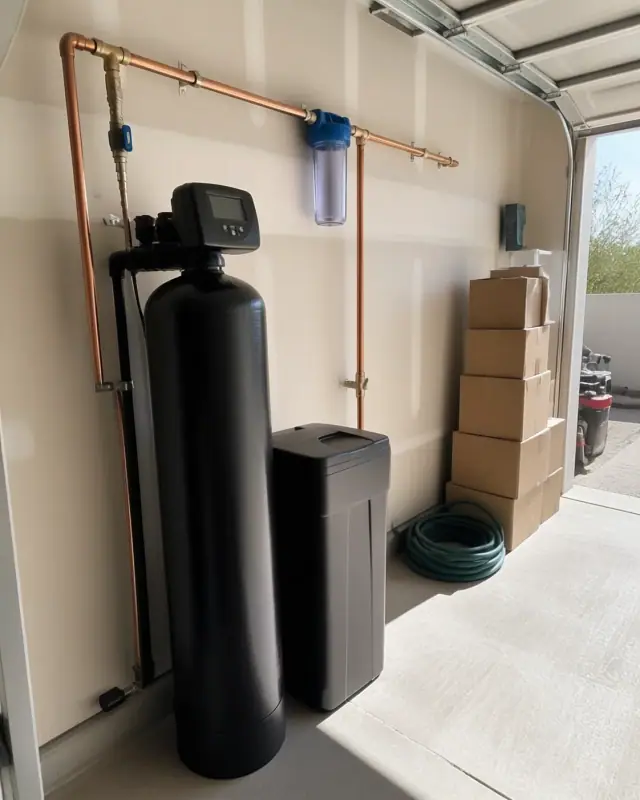
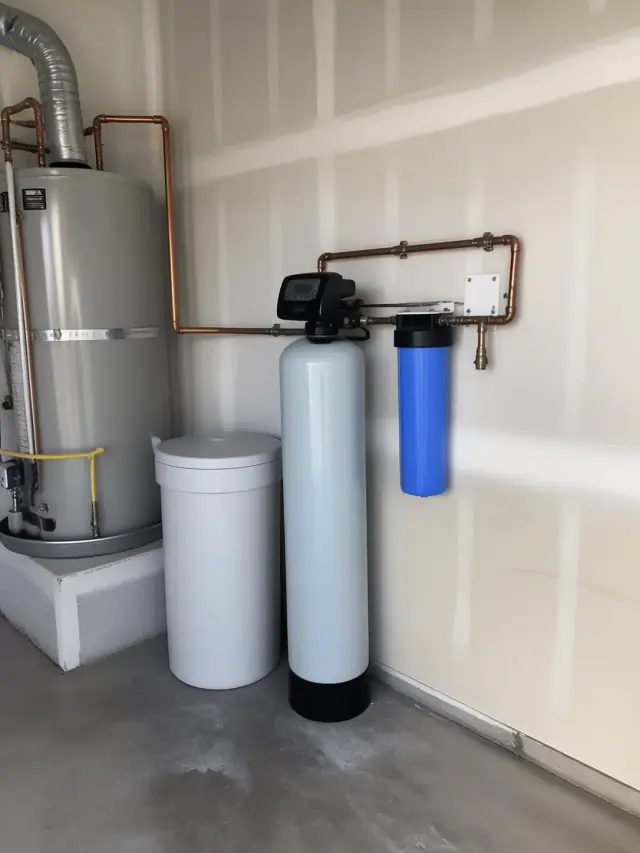
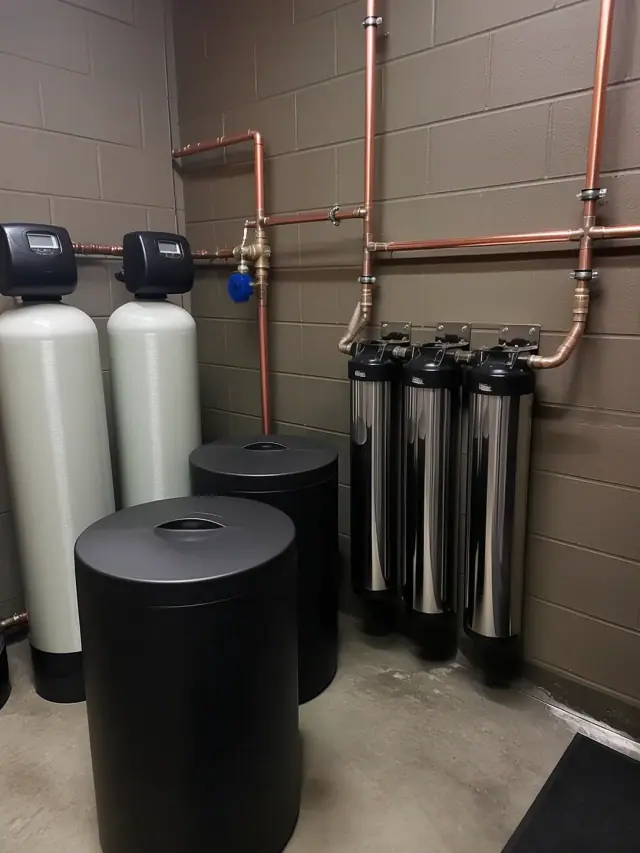
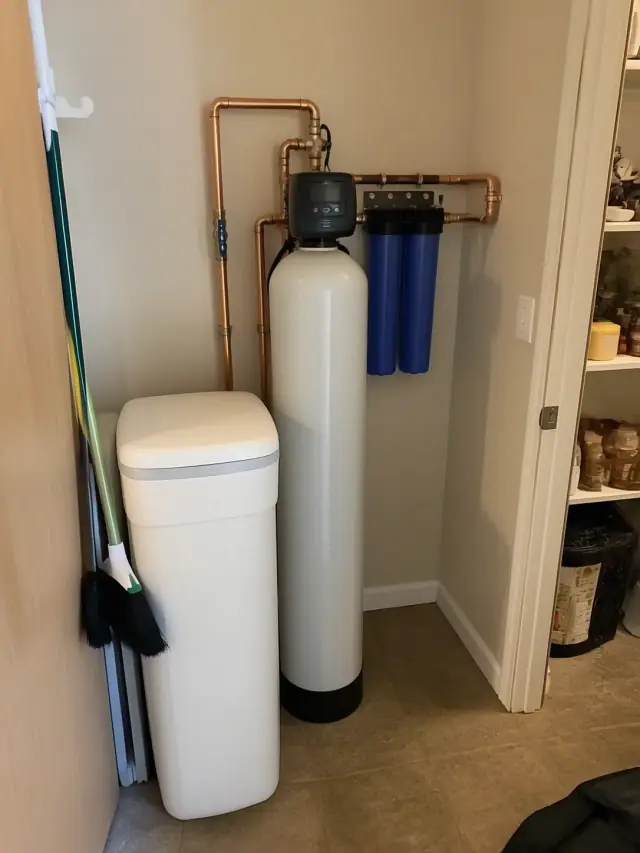
Water softeners are the core solution for Chandler hardness issues. We install ion-exchange softeners on the main supply line so showers, fixtures, laundry, dishwashers, and water heaters all receive treated water. Each system is sized from actual water testing and household usage so regeneration settings match the hardness load rather than a one-size-fits-all schedule.

Explore Service

Reverse Osmosis

Placeholder image 2

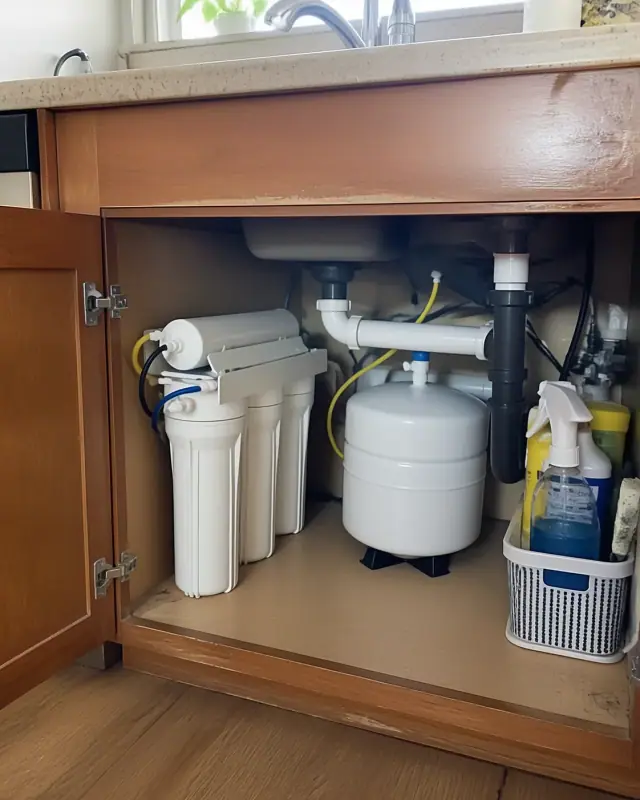
Reverse osmosis gives Chandler homeowners a point-of-use drinking water solution at the kitchen sink. It pairs well with softened water because the softener reduces hardness before water reaches the RO membrane, helping the membrane produce better output and last longer. We use RO as part of a layered plan when TDS, nitrates, taste, or cooking water quality are the main concern.

Explore Service

Whole House Filtration

Placeholder image 3

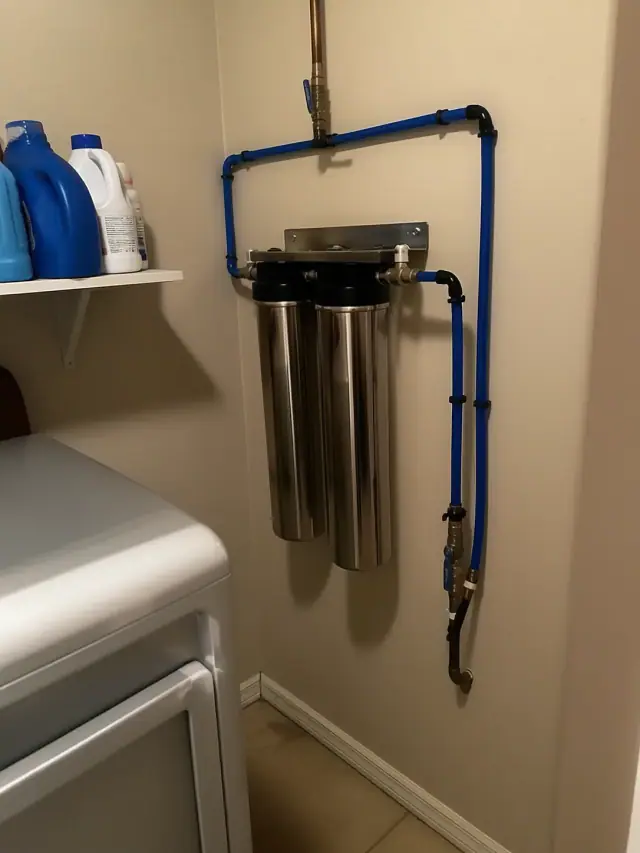
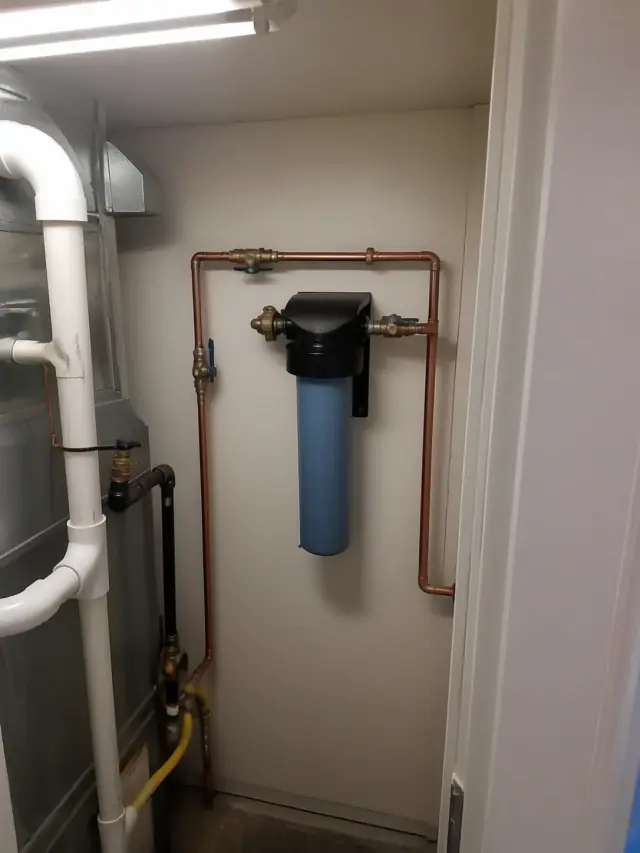
Whole house filtration addresses issues a softener is not designed to solve, including chloramines, sediment, and taste or odor concerns. For East Valley water, we often place catalytic carbon filtration upstream of the softener so chloramine reduction happens before water reaches the resin bed. That layout helps protect the softener media while improving water quality throughout the home.

Explore Service

Water Softener Repair

Placeholder image 4

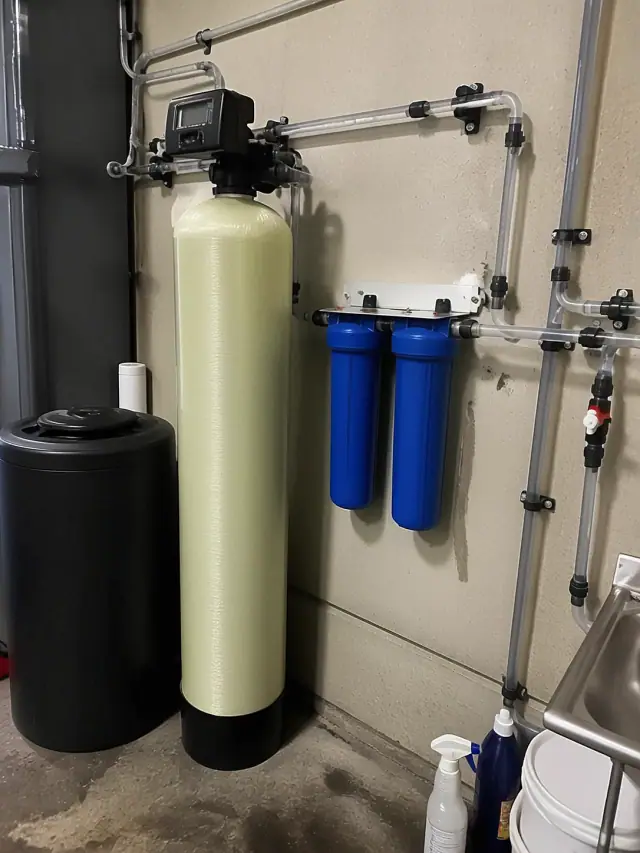
Softener repair starts with diagnosing why hard water is passing through untreated. Common causes include a worn resin bed, malfunctioning control valve, clogged injector, failed brine float, or salt bridge in the brine tank. We work on major control valve brands and focus on repairing the problem before recommending replacement.

Water Softener Maintenance

Placeholder image 5

Maintenance keeps a Chandler water softener from drifting out of calibration in high-hardness conditions. Service may include checking salt levels, cleaning the brine tank every 6 to 12 months, inspecting the resin bed, verifying the brine draw, and servicing the control valve. Routine support is what helps a quality system reach its expected 15 to 20 year service life.

Residential Water Softener Systems

Placeholder image 6

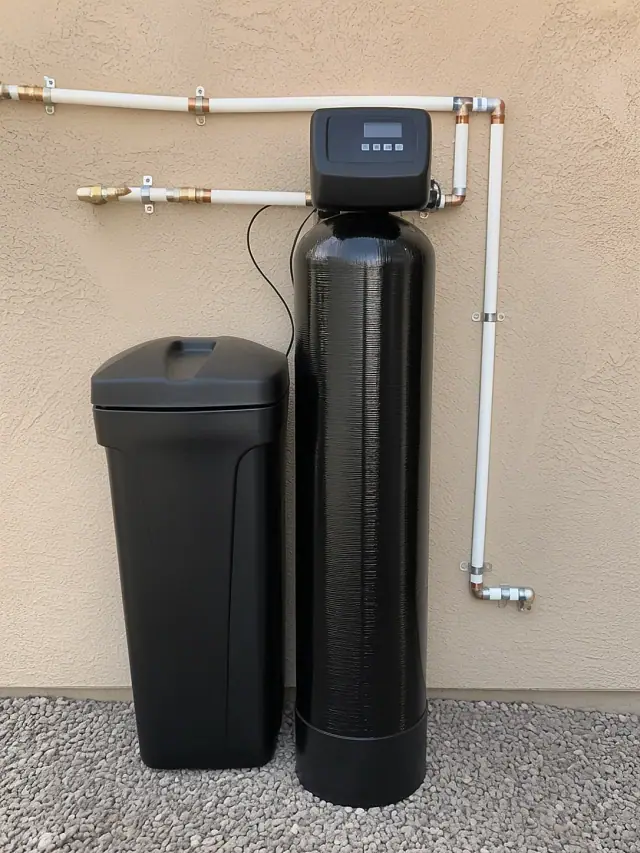
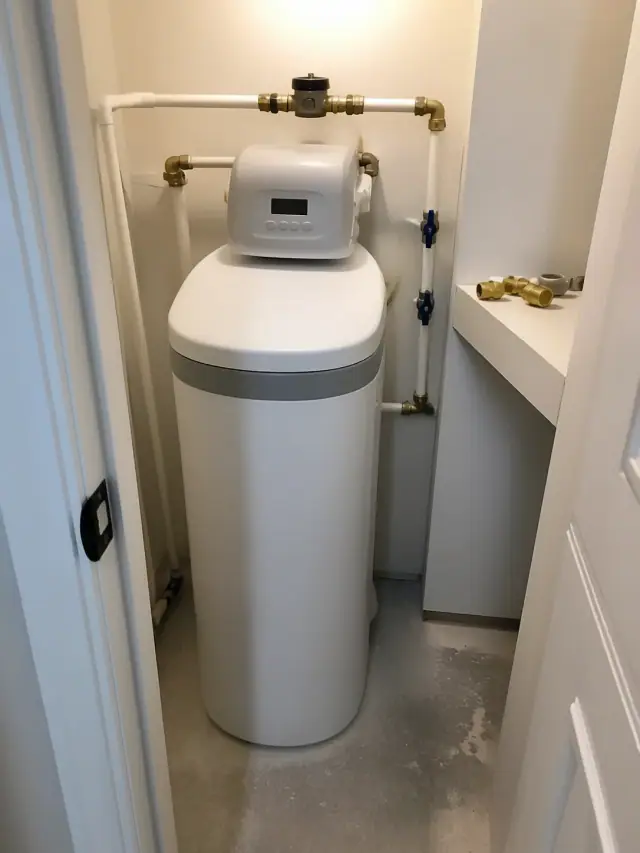
Residential systems are selected around household size, daily water use, and incoming hardness. A typical sizing example for a family of four using about 75 gallons per person per day with 20 gpg water requires at least 6,000 grains of removal per day before regeneration. We use that kind of calculation to choose the right residential water softener system instead of guessing.

Salt Water Softener Installation

Placeholder image 7

Salt water softener installation includes the resin tank, brine tank, bypass valve, drain line, and control head setup. We program demand-initiated regeneration so the system regenerates based on actual water use instead of a fixed timer. That matters in Chandler because unnecessary regeneration wastes both salt and water in a desert climate.

Saltless Water Softener Installation

Placeholder image 8

If you are comparing saltless water softener installation with a traditional salt-based unit, we help you review the goal of the system before equipment is selected. In Chandler hard water, the first step is still measuring actual hardness and identifying what you want the system to improve, such as scale control, maintenance preference, or whole-home treatment layout. We keep the recommendation practical and avoid presenting a saltless option as the same as ion-exchange softening when true hardness removal is the priority.

Commercial Water Softener Installation

Placeholder image 9

Commercial water softener installation requires larger resin tanks, higher flow rates, and regeneration planning around peak demand. We support restaurants, apartment communities, medical and dental offices, car washes, laundry facilities, and light industrial operations in the Chandler and East Valley area. Proper sizing protects dishwashers, boilers, ice machines, and other equipment that can fail early when hard water scale is ignored.

Carbon Filtration Additional Treatment

Placeholder image 10

Carbon filtration additional treatment is useful when a Chandler project needs more than hardness reduction. Catalytic carbon is the appropriate media for chloramine reduction, while standard carbon block filters made for free chlorine may perform less effectively unless they are rated for combined chlorine. Installed ahead of the softener, carbon treatment can reduce disinfectant exposure to the resin bed and improve the overall treatment train.

System Selection

How to Choose the Right Water Treatment System in Chandler

Choosing the right water treatment system in Chandler starts with the incoming water, the home's usage, and the outcome you want: scale prevention, soft water throughout the house, better drinking water, or a layered setup. We test hardness, iron, pH, TDS, and chloramine levels before recommending equipment. That prevents the two common mistakes in the East Valley: undersizing a unit so it runs out during peak use or oversizing it so it regenerates with too much salt for too little benefit.

Test Actual Tap Water

City water reports are useful background, but the water coming from a specific Chandler fixture can differ after traveling through distribution lines and home plumbing. We test at the tap for grains per gallon hardness, iron, pH, TDS, and chloramines so the recommendation is based on the water you actually use.

Size by Usage and Hardness

Sizing uses daily consumption and incoming hardness, not just the number printed on a tank. A four-person home using about 75 gallons per person per day at 20 gpg needs at least 6,000 grains of hardness removal per day before regeneration. That calculation helps decide whether a 32,000-grain system is enough or whether higher capacity is appropriate.

Choose Demand-Initiated Regeneration

Demand-initiated systems measure actual water use and regenerate when resin capacity is nearly exhausted. That is a major improvement over older timer-based units from the 1990s and early 2000s that may regenerate every three days regardless of use. In Chandler, that can reduce unnecessary salt and water use compared with fixed schedules that may consume 40 to 50 pounds of salt per month.

Plan the Treatment Train

A softener handles hardness, but it does not solve every water quality issue by itself. When chloramines, sediment, TDS, or drinking-water taste are part of the concern, we may pair whole-house carbon filtration before the softener with reverse osmosis at the kitchen sink. The order matters because each component protects the next.

Account for Garage Heat and Dust

Arizona installation conditions affect long-term performance. High garage temperatures can accelerate salt mushing in the brine tank, and desert dust or fine particulate can increase sediment load on the system. We account for location, pre-filtration, and maintenance intervals before placing equipment.

Match the System to the Property

A compact Chandler home, a larger household, and a commercial kitchen all place different demands on a softener. We consider flow rate, peak demand, resin capacity, and whether a non-electric twin-tank or smart-enabled system offers practical value. The goal is reliable soft water without paying for capacity the property will not use.

Chandler Water Issues

Common Water Quality Problems in Chandler Properties

Hard water problems in Chandler usually show up first as scale, spots, poor lather, appliance strain, or an existing softener that no longer produces soft water. Because the East Valley's hardness levels can be severe, waiting until fixtures are visibly coated often means the same minerals are already affecting heaters and equipment. A water test identifies whether the issue is hardness alone or a combination of hardness, chloramines, sediment, and TDS.

Test My Water

Scale Buildup in Pipes and Fixtures

Calcium and magnesium minerals leave hard white deposits on faucets, shower glass, tile, and inside plumbing. At 16 to 25 gpg hardness, buildup can happen quickly enough that cleaning products only address the visible residue while scale continues forming where you cannot see it. Softening the main supply reduces new scale formation across the whole home.

Water Heater Efficiency Loss

Water heaters are often the first appliance to suffer from hard water. Scale collects on tank floors, heating elements, or tankless heat exchangers and forces equipment to work harder for the same output. In very hard water, tankless units can show detectable scale buildup within 6 to 12 months without treatment.

Low Softener Output

When a softener stops producing soft water, the problem is usually mechanical, media-related, or brine-related. Worn resin, a bad control valve, a clogged injector, or a failed brine float can all allow hard water to pass through. A focused diagnosis can often separate repairable failures from true end-of-life replacement.

Chloramine Taste and Odor

Chandler-area homeowners may notice taste or odor concerns that are not caused by hardness. Municipal water treatment can include chloramines, which require the right carbon media rather than a basic free-chlorine filter. Catalytic carbon filtration is the preferred fit when chloramine reduction is part of the treatment plan.

Salt Bridges and Brine Tank Mushing

Salt bridges and salt mushing keep brine from regenerating the resin bed correctly. The system may look like it has salt, but the brine draw is restricted and hardness breaks through at the fixtures. Brine tank cleaning and routine checks help prevent the issue, especially in hot garage installations.

Hard Water Spots on Glass and Tile

White spotting on shower doors, faucets, dishes, and dark countertops is one of the most visible signs of hard water. The minerals also reduce soap and detergent performance, so cleaning takes more effort even when the water looks clear. A properly installed softener improves rinsing and reduces new mineral residue.

Why Choose Us

Why Choose Mesa Water Softeners in Chandler?

Mesa Water Softeners brings East Valley water-treatment knowledge to Chandler projects instead of treating local water like a generic product sale. We combine testing, correct sizing, clean plumbing, and practical system integration so the finished setup fits the property. Our recommendations stay focused on protecting plumbing, appliances, and water quality with equipment that can be maintained over the long term.

East Valley Water Expertise

Chandler borders Mesa and shares the hard-water challenges found across the East Valley. We understand how high dissolved mineral content, chloramines, desert heat, and sediment affect softeners, filtration media, water heaters, and RO systems. That local context helps us avoid underpowered systems and mismatched equipment.

Licensed and Insured Installation Work

Water treatment installation connects to pressurized plumbing, drain routing, and supply-line details that need to be done correctly. Mesa Water Softeners holds appropriate Arizona Registrar of Contractors licensing for plumbing-related water treatment work and carries liability insurance on every job.

Clean, Serviceable Workmanship

We install with organized plumbing, accessible bypass valves, practical brine tank placement, and drain lines routed with the proper air gap. Those details make the system easier to service and safer to isolate if maintenance is needed. Clean workmanship matters long after the installation appointment is finished.

Simple Process

Our Water Treatment Process in Chandler

Our Chandler process is built around testing first, sizing second, and installing cleanly. That means we confirm what is in the water, match the system to actual usage, explain the estimate, and program the equipment before we leave. After installation, we remain available for maintenance, troubleshooting, and system support.

01.

In-Home Water Test

We start by testing water at your tap for hardness, iron, pH, TDS, and chloramine levels. This gives a more practical installation baseline than relying only on average municipal data. The test results guide whether the project needs softening, filtration, RO, or a combined setup.

02.

System Sizing and Options

We calculate capacity from household water use, hardness level, and peak demand. For some homes, a standard 32,000-grain system is appropriate; for higher use or higher hardness, 40,000- or 48,000-grain capacity may make more sense. We explain the options before equipment is selected.

03.

Clear Estimate

You receive upfront pricing before work begins, including the equipment, installation conditions, and any plumbing changes required. Standard water softener installation in the Mesa and Chandler area typically runs from $949 to $1,273 for a 32,000-grain system, with an average around $1,111. More complex full-system projects can range from $500 to $3,000 depending on type and scope.

04.

Professional Installation

Our installers set the bypass valve, position the brine tank, connect the resin tank, and route the drain line with the appropriate air gap. We keep the layout organized so salt loading, shutoff access, and future service are practical. If plumbing modifications affect permit requirements, we address that during the quoting process.

05.

Control Head Programming

Before the job is finished, we program the control head for the measured hardness and household usage. Demand-initiated controls are calibrated to regenerate when capacity is nearly exhausted while maintaining a soft-water reserve. This step is where many rushed installations lose efficiency.

06.

Maintenance and Support

After installation, we help you keep the system working with maintenance guidance and service visits when needed. Annual checkups can include brine tank inspection, injector and brine-line checks, resin condition review, and control-head verification. Ongoing support is especially important in Arizona's hard-water environment.

Result Examples

Water Treatment Outcomes for Chandler Homes & Businesses

Case Study 1: A Chandler home with untreated hard water can see fewer new mineral deposits when a properly sized softener is installed on the main supply. Fixtures rinse cleaner, soap lathers more easily, and water heaters are better protected from scale. The biggest benefit is whole-house consistency instead of treating only one tap.

Case Study 2: For commercial properties, the outcome is reliable soft water during peak demand. Restaurants, car washes, laundry facilities, medical offices, and apartment communities need systems sized around flow rate and volume so dishwashers, boilers, ice machines, and laundry equipment are not fighting scale all day.

Case Study 3: When filtration and reverse osmosis are combined with softening, the result is a more complete treatment plan. Carbon filtration can address chloramines before the softener, while RO at the kitchen sink supports drinking and cooking water quality. Each layer solves a different problem rather than expecting one device to handle everything.

Get Better Water

Schedule a Chandler
Water Treatment
Consultation

Ready to compare water softener, reverse osmosis, whole-house filtration, repair, or maintenance options for a Chandler property? Request an estimate and we'll review your water conditions, system location, sizing needs, and any treatment add-ons that make sense for your home or business.

Chandler Water Help

FAQs About Water Softener Service in Chandler, AZ

These answers cover Chandler water softener installation, repair, maintenance, filtration, RO integration, pricing, sizing, and common East Valley hard-water issues. For a recommendation based on your own fixtures, start with an on-site water test and estimate.

Call Our Experts

In the Mesa and Chandler area, a standard 32,000-grain residential water softener installation typically costs $949 to $1,273, with an average around $1,111. Full system costs including equipment generally range from $500 to $3,000 depending on system type, tank capacity, and installation complexity. A pre-plumbed softener loop, drain routing, and supply-line modifications can affect the final quote.

Yes for many Chandler homes because East Valley hardness is high enough to damage equipment and leave visible mineral residue. Mesa and the surrounding East Valley regularly measure 16 to 25 gpg, which is well above the 10.5 gpg very-hard threshold. A properly installed system can protect water heaters, appliances, fixtures, tile, and plumbing while improving soap and detergent performance.

A quality residential water softener should last 15 to 20 years when installed and maintained correctly. Control valves often need rebuild or replacement in the 10 to 15 year range because they are the most mechanically complex component. Resin life depends on protecting the bed from iron fouling, chlorine or chloramine degradation, and poor maintenance.

Standard installation into an existing softener loop does not typically require a permit in Mesa or Chandler. Major plumbing modifications, such as cutting into supply lines, adding a bypass loop, or rerouting drains in a way that opens walls, may trigger permit requirements under local building codes. We assess that during the quote so the installation is handled correctly.

Sizing depends on household water use and incoming hardness. A family of four with 20 gpg water often needs at least a 32,000-grain system, while higher usage or higher hardness may justify a 40,000- or 48,000-grain unit. We test the water and calculate demand before recommending capacity.

Yes. The softener treats hardness throughout the home, while the RO system is usually installed at the kitchen sink for drinking and cooking water. Feeding softened water into the RO system can improve output quality and extend membrane life compared with sending hard water directly to the membrane.

In Mesa's and Chandler's hard-water environment, a softener benefits from at least one checkup every 12 months. Maintenance can include salt inspection, brine tank cleaning, injector and brine-line checks, control-head programming verification, and resin condition review. Private well systems may need more frequent attention if iron is present.

A softener may fail because of a worn resin bed, malfunctioning control valve, clogged injector, failed brine float, or salt bridge. Any of those issues can prevent proper regeneration or allow hard water to pass through untreated. A service visit narrows the cause before replacement is recommended.

A softener removes hardness, but it does not remove every disinfectant or taste issue. Whole-house catalytic carbon filtration can reduce chloramines before water reaches the softener resin bed, which can help extend resin life. It is often paired with softening when Chandler homeowners want broader water treatment than scale control alone.

Municipal reports are averages and may not represent the water at your exact fixture after it travels through distribution lines and your home's plumbing. Tap testing checks hardness, pH, TDS, iron, and chloramine levels at the point of use. That gives a better basis for system sizing and filtration choices.

Yes. Commercial systems usually need larger resin tanks, higher flow rates, and more frequent regeneration than residential units. We design around peak periods, usage volume, and hardness levels for businesses such as restaurants, dental offices, car washes, laundry facilities, and apartment properties.

Demand-initiated regeneration uses a metered control valve to track actual water usage. The system regenerates when resin capacity is close to exhausted rather than on a fixed calendar schedule. In Chandler, that helps avoid wasting salt and water during low-use periods.

Saltless water softener installation can be discussed when a homeowner wants to compare treatment options, maintenance preferences, and system layout. Because Chandler's primary issue is high hardness, we explain the difference between a saltless option and a traditional ion-exchange softener before recommending equipment. The right choice depends on your measured water and the outcome you expect.

We serve Chandler neighborhoods and nearby areas named in our service coverage, including Ocotillo, Fulton Ranch, Sun Lakes, Price Road, and the Loop 202 corridor. We also work across the broader East Valley and Maricopa County service area. Availability can be confirmed when you request an estimate.

Installation includes connecting the system to the main supply or existing loop, setting the bypass valve, routing the drain line with an appropriate air gap, placing the brine tank, and programming the control head. We also verify soft-water output and explain routine operation before leaving. If the project needs added carbon filtration or RO integration, we plan the treatment order before installation begins.