Proudly serving Mesa, Tempe, Phoenix, Chandler, Gilbert, Queen Creek & surrounding areasCall or Text 24/7: 602-905-5577

Water Treatment in Peoria, AZ | Water Softeners, Reverse Osmosis & Whole House Filtration

Mesa Water Softeners provides water softeners, reverse osmosis, whole house filtration, and softener repair services for homeowners and businesses in Peoria, Arizona. Our team helps address hard water, chlorine taste, sediment, and mineral scale with systems selected around your actual water test. We install salt-based softeners, saltless conditioners, carbon filtration, and RO drinking-water systems as individual solutions or coordinated treatment packages. Every recommendation starts with the service needs in your property, not a one-size-fits-all equipment list.

Hard water in the Phoenix metro can leave scale on fixtures, shorten water-heater life, and make showers feel harsh on skin and hair. A properly sized treatment system protects the whole plumbing system while improving daily water use at sinks, showers, laundry, and appliances. We evaluate hardness, chlorine or chloramine residual, iron, pH, and total dissolved solids before sizing equipment. That testing-based approach helps Peoria customers choose between a softener, RO system, carbon filter, maintenance visit, or repair with clear expectations.

Request an estimate to compare system options, installation scope, and maintenance needs for your Peoria home or commercial property.

★ ★ ★ ★ ★4.9/5 Average Rating - 20+ Years of Experience - Peoria Water Treatment Experts - Residential & Commercial
Water Treatment Services

Local Water Treatment Services in Peoria, AZ

Peoria properties may need a single softener, a drinking-water RO system, added carbon filtration, or repair support for an existing unit. Mesa Water Softeners builds service plans around water testing, system size, control-valve settings, drain routing, and pre-treatment needs rather than guessing from city averages. Customers comparing water treatment across the metro can also review our Tempe service page for another nearby service area.

Water Softeners

Placeholder image 1

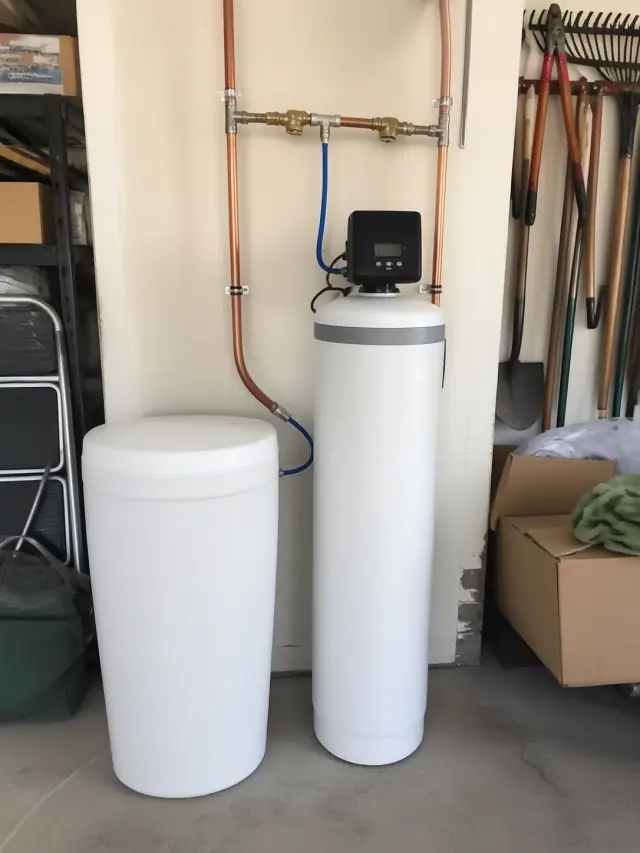
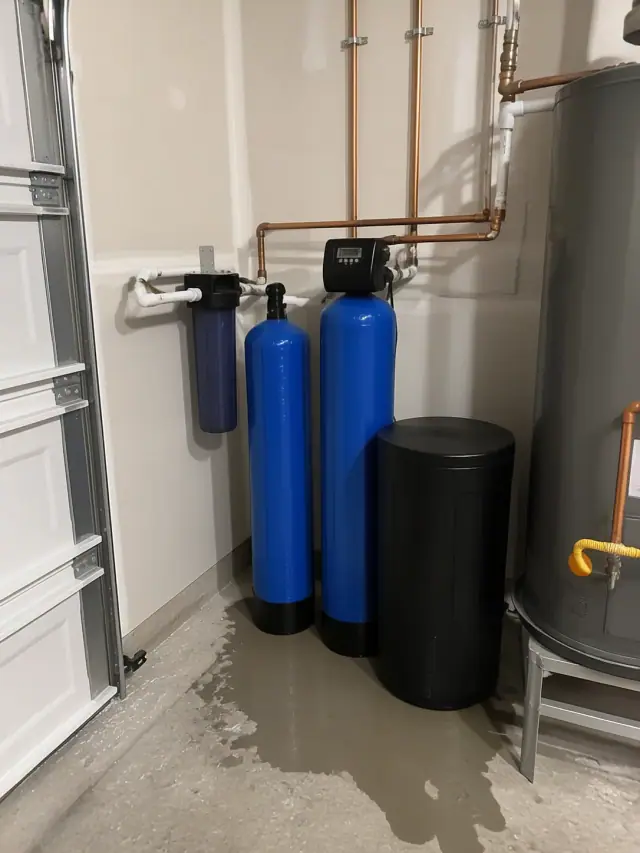
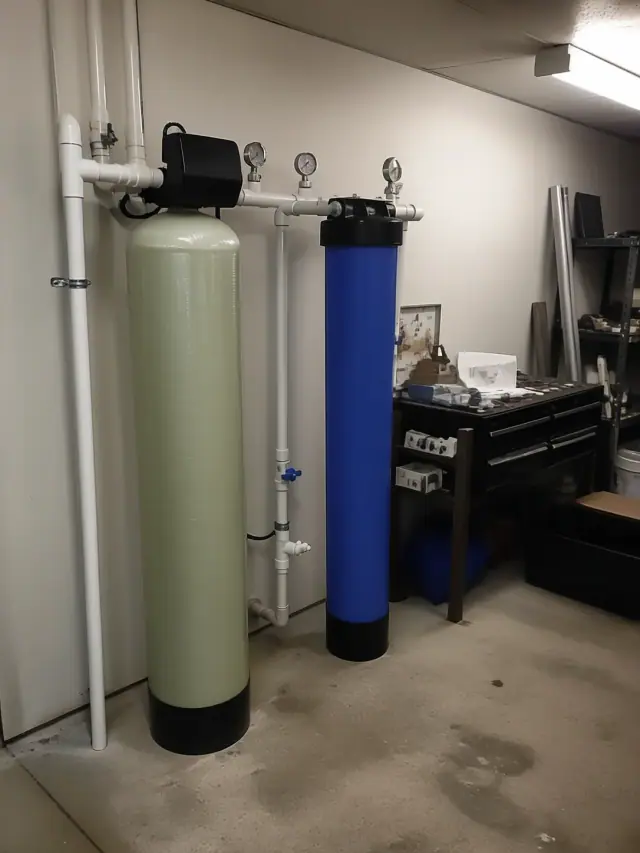
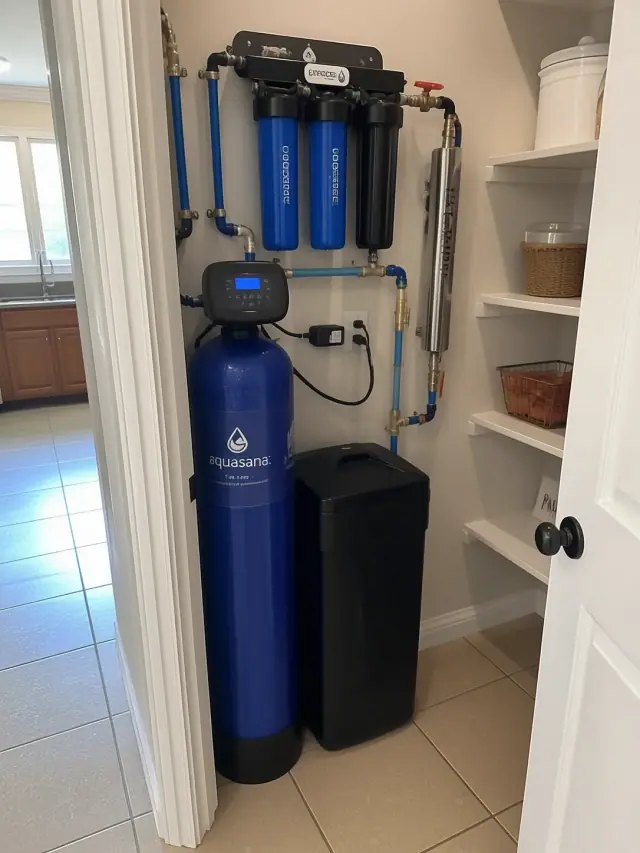
Water softeners reduce calcium and magnesium hardness before it reaches fixtures, showers, water heaters, and appliances. When testing shows very hard water, ion exchange systems remove the minerals rather than simply changing how they behave, which makes them the strongest option for scale control. We size the resin tank and brine settings to household use so the system regenerates only when needed.

Explore Service

Reverse Osmosis

Placeholder image 2

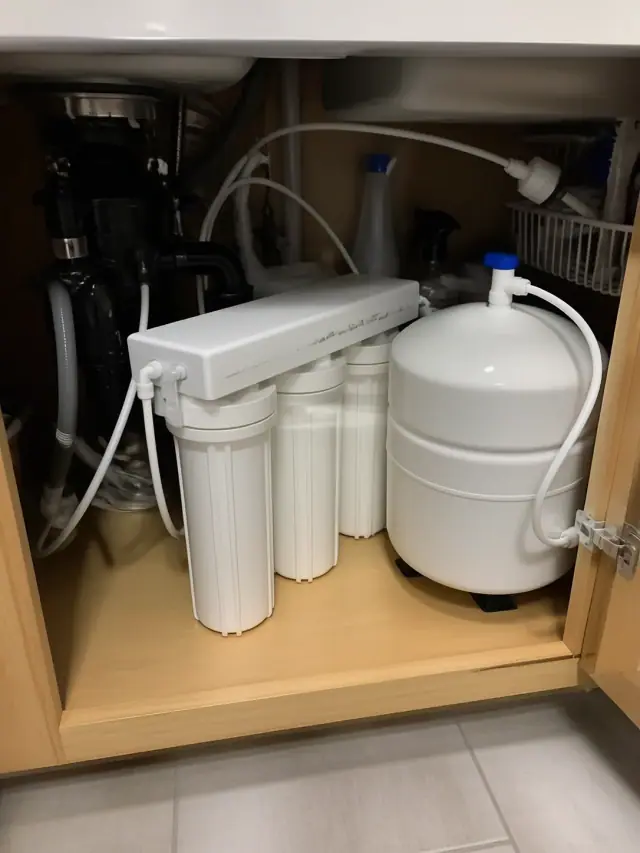
Reverse osmosis treats drinking and cooking water at the point of use, typically at the kitchen sink, by reducing total dissolved solids and improving taste. It complements a whole-house softener because the softener protects plumbing while RO polishes the water you drink. When the system is paired with softened water, the layout can also help protect the RO membrane.

Explore Service

Whole House Filtration

Placeholder image 3

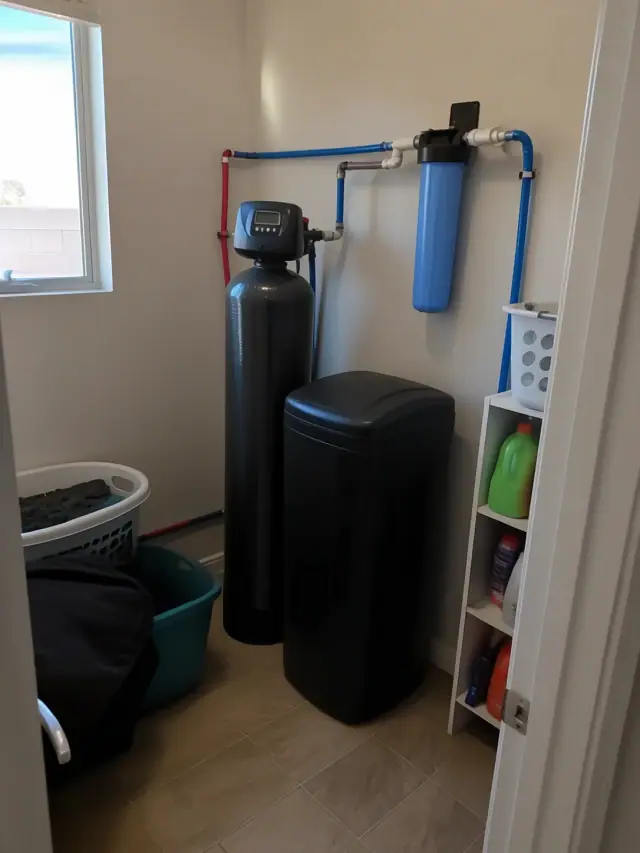
Whole house filtration targets issues a softener does not solve, including chlorine or chloramine taste, sediment, and particulate matter. Carbon block filtration is often placed upstream of the softener to improve overall water quality and help protect the resin bed. Sediment pre-filters rated at 5 to 10 microns can be useful where older distribution lines or pressure changes send particles through the plumbing.

Explore Service

Water Softener Repair

Placeholder image 4

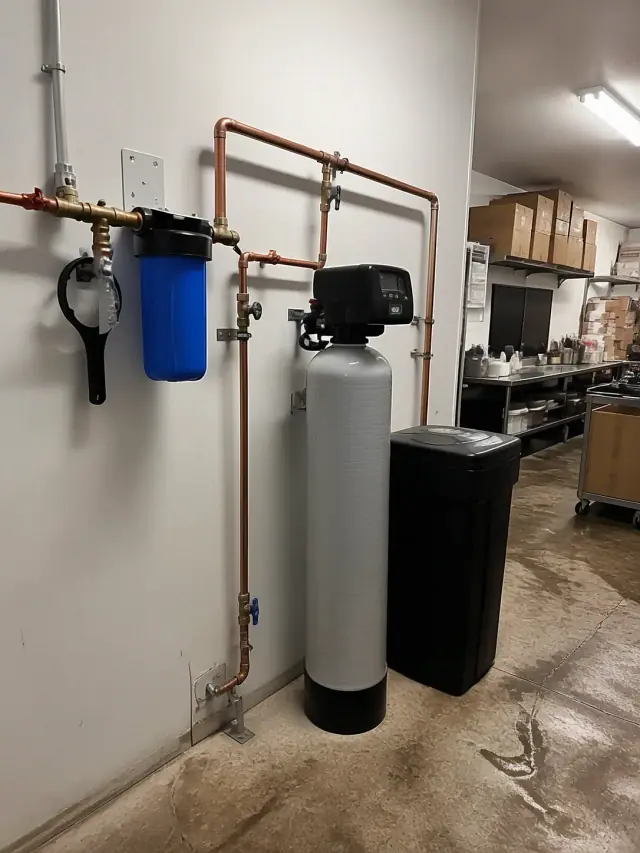
Water softener repair starts with diagnosing the actual failure point, such as worn control valve seals, cracked brine lines, fouled resin, or a salt bridge in the brine tank. We service major control valve brands and check whether the system is regenerating, drawing brine, and producing soft water at the expected capacity. When repair is still practical, we correct the issue without pushing a full replacement first.

Water Softener Maintenance

Placeholder image 5

Regular maintenance helps a softener stay efficient in Arizona conditions, where heat and frequent regeneration can wear seals, valves, and resin beds. A typical maintenance visit may include resin cleaning, brine tank checks, control valve review, and salt-bridge prevention. Annual maintenance typically falls in the $40 to $120 range, which is modest compared with replacing a neglected system early.

Residential Water Softener Systems

Placeholder image 6

A residential whole-house system treats every water outlet in the home, including faucets, showers, laundry, the dishwasher, and the water heater connection. Correct sizing starts with daily water use and measured hardness, because undersizing leads to hardness breakthrough and oversizing wastes salt during regeneration. Demand-initiated controls are preferred because they regenerate based on actual water volume instead of a fixed timer.

Salt Water Softener Installation

Placeholder image 7

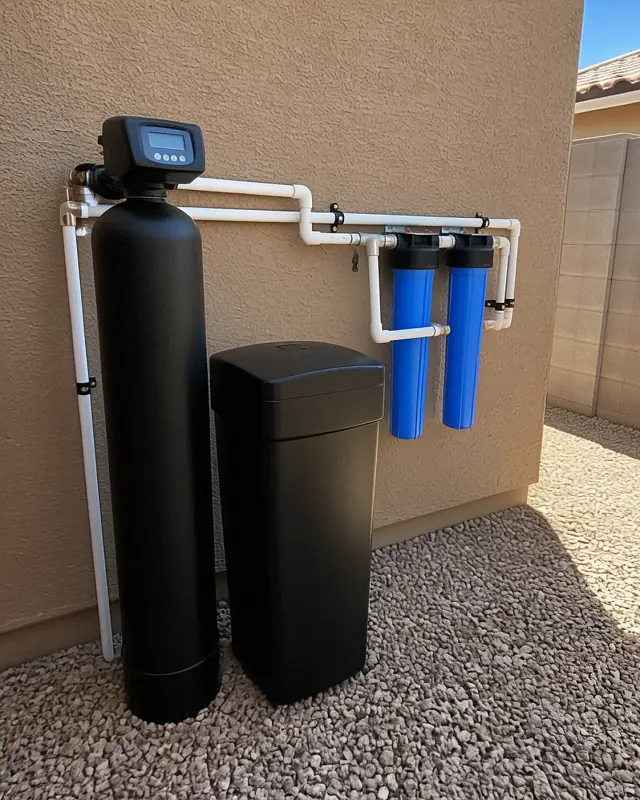
Salt water softener installation uses ion exchange resin, a brine tank, a bypass valve assembly, a drain connection, and a programmed control valve. A standard residential installation usually includes cutting into the main supply line, making supply and drain connections, programming the controller, and running an initial regeneration cycle. Most standard single-family installations are completed in three to five hours when access and plumbing conditions are straightforward.

Saltless Water Softener Installation

Placeholder image 8

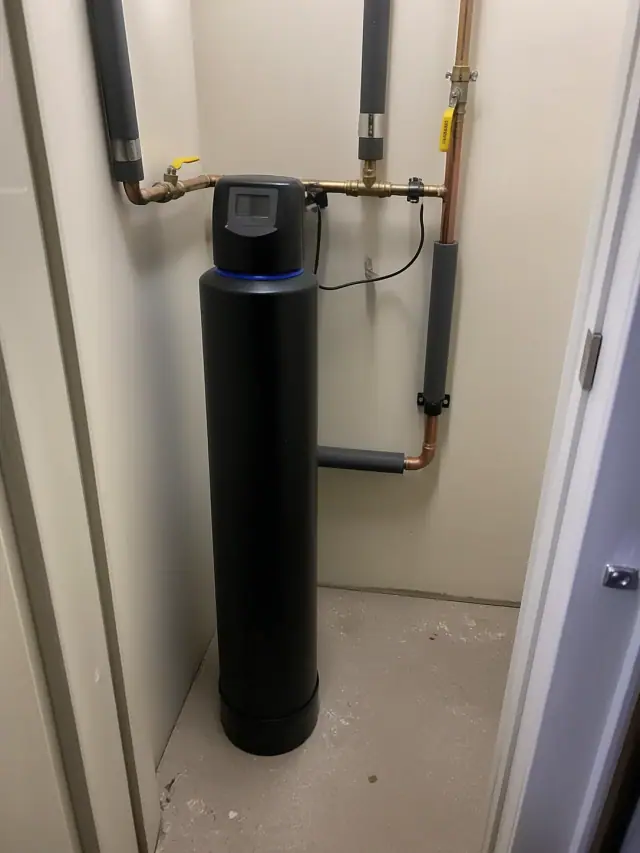
Saltless water treatment is a good conversation for customers who want scale control without salt purchases, drain discharge, or regeneration cycles. Template-assisted crystallization conditioners change how calcium behaves so it is less likely to deposit as hard scale, but they do not reduce measured hardness the way ion exchange does. We explain that difference before recommending saltless equipment for a Peoria property.

Commercial Water Softener Installation

Placeholder image 9

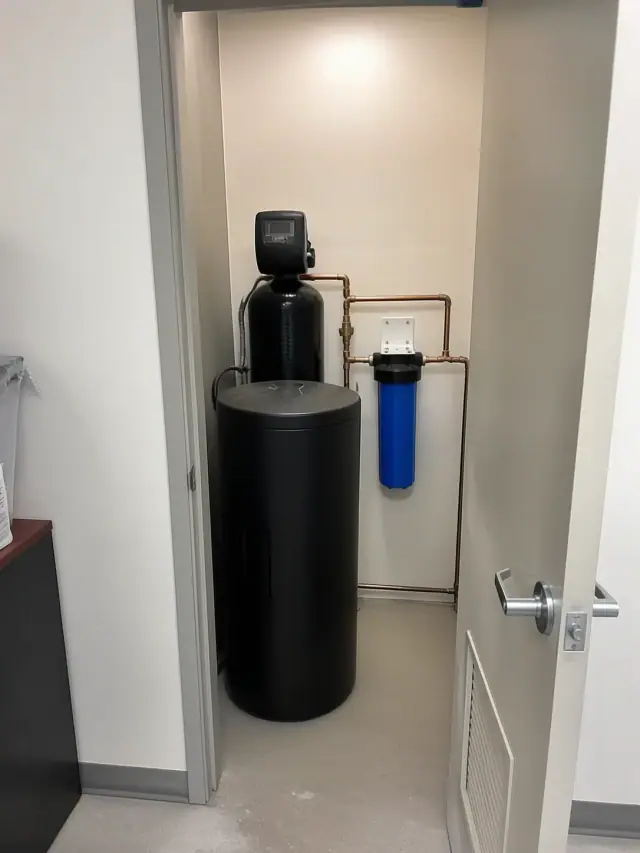
Commercial water softener installation requires a closer look at flow demand, fixture count, operating schedule, and the cost of scale on equipment. We use water testing and capacity calculations to determine whether a single unit, larger resin volume, or additional pre-treatment is appropriate. The goal is consistent treated water without excessive regeneration, salt use, or service interruptions.

Carbon Filtration Additional Treatment

Placeholder image 10

Carbon filtration is a strong add-on when the main complaint is chemical taste or odor rather than hardness alone. Installed ahead of a softener, carbon can reduce chlorine or chloramine exposure and improve the water feeding the resin bed. For drinking water, carbon filtration can also work alongside reverse osmosis so the whole treatment plan addresses both household use and kitchen-tap quality.

System Selection

How to Choose the Right Water Treatment System in Peoria

The right water treatment setup depends on the problem you want to solve: hardness, taste, odor, sediment, drinking-water TDS, or an aging system that no longer performs. We start with water testing and then match the result to the right technology, whether that is a softener, reverse osmosis, carbon filtration, saltless conditioning, repair, or maintenance. This keeps the system recommendation practical, properly sequenced, and easier to maintain over time.

Start With Actual Water Testing

We test hardness, chlorine or chloramine residual, iron, pH, and TDS at the tap before recommending equipment. That matters because a home testing at 18 grains per gallon of hardness needs different settings than one testing at 25 grains. Iron above 0.3 ppm can also foul a resin bed over time if the system is not configured for it.

Match the System to the Goal

A softener is used for calcium and magnesium removal, reverse osmosis is used for drinking-water TDS reduction, and carbon filtration is used for chlorine or chloramine taste and odor. Sediment filtration protects equipment when particulate matter is present. Many properties need a coordinated sequence rather than one device trying to solve every issue.

Size for Usage and Hardness

A properly sized ion exchange softener should regenerate no more frequently than every three days under normal use. Regenerating too often wastes salt and accelerates valve wear, while waiting too long can allow hardness breakthrough. We calculate resin volume from household demand and tested hardness instead of guessing.

Compare Salt and Saltless Options

Salt-based systems remove hardness minerals from the water, which is why they are the standard choice for strong scale control. Saltless conditioners can reduce scale behavior without salt, a drain line, or a regeneration cycle, but they do not reduce measured hardness. The best choice depends on whether the priority is true soft water or lower-maintenance scale conditioning.

Plan the Plumbing Layout

The installation layout should include an accessible bypass valve, a correctly routed drain line, a suitable location for salt loading, and clean supply connections matched to the home plumbing. We avoid shortcuts that make future service difficult. A neat layout also helps keep RO, carbon filtration, and softener components sequenced correctly.

Account for Long-Term Maintenance

Arizona heat and frequent regeneration can shorten the life of seals, valves, and resin if a softener is ignored. Salt-based water softeners in Arizona typically last 10 to 20 years depending on equipment quality and maintenance history. Annual service helps catch salt bridges, brine draw problems, and resin fouling before they become larger repairs.

Peoria Water Issues

Common Water Treatment Problems in Peoria Properties

Hardness, taste and odor, sediment, iron, and undersized or aging softeners tend to show up as visible scale, soap scum, spotting, poor drinking-water taste, and equipment wear. These symptoms can point to different fixes, so we evaluate the water and the existing plumbing before recommending a new system or repair. The result is a more targeted solution than simply replacing equipment because the water feels hard.

Test My Water

Hard Water Stains and Spotting

White or chalky spots on shower glass, faucet aerators, and dishwasher interiors are usually calcium carbonate left behind as hard water evaporates. A softener removes the calcium and magnesium source before the water reaches those surfaces. That reduces the cycle of constant scrubbing and acid-based cleaning.

Dry Skin, Hair and Soap Scum

Hard water minerals react with soap and shampoo to form residue that can cling to skin, hair, tile, and glass. Soft water helps soaps lather and rinse more completely, which many households notice first in showers and laundry. If the water also has taste or odor issues, filtration can be added without changing the softener’s purpose.

Scale Inside Appliances

Scale inside a water heater, dishwasher, washing machine, or ice maker can reduce efficiency and shorten service life. A 1/4-inch layer of calcium carbonate scale on a water-heater element forces the unit to work harder to transfer heat. Softening removes the mineral source of that buildup before it reaches the appliance.

Poor Taste or Chloramine Odor

A softener does not remove chemical taste or odor from disinfectants such as chlorine or chloramine. Carbon filtration is the usual whole-house step for those complaints, while reverse osmosis provides a more polished drinking-water option at the kitchen tap. Testing helps determine whether taste, TDS, or both should be addressed.

Sediment, Iron and Resin Fouling

Sediment can clog filters and valves, and iron can reduce softener capacity by fouling the resin bed. Even 0.3 ppm of iron can matter over time if the system is not sized, programmed, or pre-treated correctly. Depending on the test result, we may recommend sediment filtration, iron-focused pre-treatment, or resin cleaning.

Aging or Malfunctioning Softeners

A softener that is ten or more years old, uses more salt than it used to, or no longer keeps hardness in check may need repair, resin service, or replacement. Common failure points include control valve seals, brine lines, cracked tanks, and salt bridges. We check the problem before deciding whether repair or replacement makes better sense.

Why Choose Us

Why Choose Mesa Water Softeners in Peoria?

Mesa Water Softeners focuses on practical, code-aware water treatment for Phoenix metro properties. From the first test through installation and support, we make recommendations around water chemistry, usage, plumbing access, and long-term maintenance. Peoria customers get clear system options for softeners, reverse osmosis, filtration, repair, maintenance, and additional treatment without generic one-size-fits-all advice.

Local Phoenix Metro Water Knowledge

The Valley’s water treatment needs are shaped by mineral-heavy supplies, seasonal blending, extreme heat, and fast evaporation on fixtures and glass. We use that regional experience as context, then verify the water at your tap before choosing equipment. Local knowledge is useful only when it leads to a better system design for the actual property.

Transparent Estimates Before Work Begins

You receive an itemized recommendation before work starts, including equipment, labor, fittings, and any pre-treatment components that are part of the scope. If the job needs extra work such as a drain-line change, pre-filter housing, or corroded valve replacement, the cost is explained first. The estimate is meant to be informational, not high-pressure.

Licensed Installation Practices

Water treatment installation often involves permanent connections to the main supply line, bypass valve placement, drain routing, and an electrical outlet for the control valve. Our work follows Arizona plumbing code expectations and the practical installation details required for long-term service access. Permits are handled when the scope of work requires them.

Simple Process

Our Water Treatment Process in Peoria

Our process is built to avoid guesswork. We test the water, review the property, choose the correct system sequence, install the equipment cleanly, and explain how to keep it working. That gives Peoria homeowners and businesses a clear path from water concern to maintained solution.

01.

Test the Water at Your Tap

We begin by measuring hardness, chlorine or chloramine residual, iron, pH, and total dissolved solids at the property. Testing at the tap matters because neighborhood averages cannot show the exact condition feeding your plumbing. Those results guide the rest of the recommendation.

02.

Review Your Property and Goals

Next we look at the symptoms you care about most, such as spots, dry skin, poor taste, appliance scale, sediment, or an existing softener that is not working. We also review available space, plumbing access, drain options, and how the system will be maintained. This step keeps the recommendation realistic for the property.

03.

Size and Select the System

System sizing uses household or business water demand, tested hardness, and any pre-treatment needs. A residential softener, RO system, carbon filter, saltless conditioner, or commercial unit is selected only after those inputs are clear. Correct sizing helps control salt use, regeneration frequency, and long-term performance.

04.

Install With Clean Connections

During installation, the supply connections, bypass valve, drain line, brine tank, resin tank, filters, or RO components are arranged for dependable operation and future service access. We match the connection method to the pipe material and installation location. The goal is a neat system that is easy to inspect and maintain.

05.

Program and Commission the Equipment

After the equipment is connected, the control valve is programmed for the tested hardness, usage pattern, and any iron considerations. We run the startup or regeneration steps needed to confirm the system is operating as expected. This commissioning step is what turns installed equipment into a working treatment system.

06.

Explain Maintenance and Support

Before the visit is complete, we explain salt level checks, filter changes, RO maintenance, softener settings, and signs that the system needs service. Customers learn what a salt bridge looks like and when it is better to call for help. Ongoing support is part of keeping the system useful over its full service life.

Result Examples

Water Treatment Outcomes for Peoria Homes & Businesses

Case Study 1: Example 1: A household dealing with chalky shower glass and appliance scale may benefit most from a demand-initiated whole-house softener sized to tested hardness and daily use. The result is treated water at every fixture instead of spot treatment at one sink.

Case Study 2: Example 2: A family that dislikes chemical taste at the kitchen tap may pair carbon filtration with reverse osmosis. Carbon helps address chlorine or chloramine taste, while RO reduces dissolved solids for drinking and cooking water.

Case Study 3: Example 3: A business or larger home with an aging softener may need valve repair, resin cleaning, or a properly sized replacement. Testing and inspection show whether maintenance can restore performance or whether replacement is the more economical path.

Get Better Water

Schedule a Local
Water Treatment
Consultation

Schedule a Peoria water treatment consultation to compare water softeners, reverse osmosis, whole house filtration, saltless conditioning, repair, and maintenance options. We will review your water test, installation scope, and service needs so you can make a clear decision before work begins.

Local Water Treatment Help

FAQs About Water Treatment in Peoria, AZ

These answers cover common Peoria questions about water softeners, reverse osmosis, whole house filtration, repair, maintenance, and system selection. For the most accurate recommendation, start with a water test at your property.

Call Our Experts

In the Phoenix metro area, standard residential salt-based water softener installation averages around $1,550, with a typical range of $1,318 to $2,637 including equipment and labor. Labor for a straightforward installation often runs $200 to $600. The final price depends on system capacity, plumbing complexity, drain routing, and whether pre-filtration or RO integration is included.

Most standard residential installations take three to five hours when the main line, drain route, and installation area are accessible. More complex jobs, such as difficult copper rerouting, added pre-filters, or RO integration, can take six to eight hours. The installation also includes programming and startup verification.

For homes with very hard water, a salt-based ion exchange softener with demand-initiated regeneration is usually the most effective option because it actually removes hardness minerals. The Water Quality Association classifies water above 180 ppm as very hard, and hard-water conditions in the Phoenix metro can commonly test above 200 ppm. Saltless systems can help with scale behavior, but they do not reduce measured hardness.

Permit requirements depend on the scope of work and the current local enforcement position. Because installation can involve cutting into a pressurized main line and making permanent plumbing connections, the work must follow Arizona plumbing code requirements. We handle permit needs correctly when the installation scope requires them.

Common signs include white scale on faucets and shower glass, spotting in the dishwasher, soap that does not lather well, and water-heater popping or rumbling from scale. A water test is the best answer because it measures actual hardness at your tap. Softening is recommended above 7 grains per gallon, while some regional homes test around 18 to 25 grains.

Salt use depends on water hardness, system size, household water demand, and whether the unit regenerates by timer or actual use. High-efficiency demand-initiated systems can use 40 to 60% less salt than older timer-based softeners. Proper sizing is the biggest way to avoid wasting salt while keeping consistent soft water.

Salt-based water softeners in Arizona typically last 10 to 20 years depending on equipment quality, water conditions, and maintenance. Extreme summer heat can push garage temperatures to 120°F or more, which can accelerate wear on seals and plastic components. Annual maintenance helps the system reach the upper end of its expected life.

Reverse osmosis reduces total dissolved solids for drinking and cooking water, often producing noticeably cleaner-tasting water at the kitchen tap. It is not a substitute for whole-house softening because it treats a specific point of use rather than every fixture. Many customers pair RO with a softener so plumbing is protected and drinking water is polished.

Carbon filtration is commonly placed upstream of the softener when chlorine or chloramine taste is a concern and when resin protection is part of the goal. The exact sequence depends on the water test, the filter type, and whether sediment or iron also needs attention. We design the layout so each component protects or improves the next one.

Yes, many softener problems can be repaired when the tank, valve, and resin are still worth servicing. Common issues include worn control valve seals, cracked brine lines, salt bridges, and resin fouling. If the system is ten or more years old and no longer controls hardness efficiently, replacement may be the better long-term choice.

A salt-based softener uses ion exchange to remove calcium and magnesium from the water. A saltless conditioner changes how minerals behave so they are less likely to form scale, but it does not lower measured hardness. Saltless systems avoid salt, regeneration, and a drain line, while salt-based systems provide true soft water.

Yes, commercial installations can be evaluated for businesses and higher-demand properties that need treated water for equipment, fixtures, or daily operations. Commercial sizing looks at flow demand, usage schedule, hardness, regeneration frequency, and any pre-treatment needs. A water test and site review are needed before recommending capacity.

Chemical taste or odor is usually a filtration issue rather than a softening issue. Carbon filtration is commonly used for chlorine or chloramine taste, while reverse osmosis can further improve drinking-water quality by reducing dissolved solids. A combined plan may be best when the home has both hard water and taste concerns.

Yes, a softener removes the hardness minerals that create scale inside water heaters, dishwashers, washing machines, and ice makers. A 1/4-inch layer of calcium carbonate scale can force a water-heater element to work harder to transfer heat. Reducing scale helps appliances operate closer to their intended efficiency and service life.

Softened water can reduce energy loss from scale, premature appliance wear, and soap or detergent use. For many households, those avoided costs can add up to around $1,550 in annual savings, with a payback period of about 20 to 26 months. Actual savings depend on water hardness, appliance condition, household usage, and the efficiency of the installed system.