Proudly serving Mesa, Tempe, Phoenix, Chandler, Gilbert, Queen Creek & surrounding areasCall or Text 24/7: 602-905-5577

Water Softeners in Queen Creek, AZ | Reverse Osmosis & Whole House Filtration

Mesa Water Softeners provides water softeners, reverse osmosis, and whole house filtration for homes and businesses in Queen Creek, AZ. Our team also handles water softener repair, maintenance, residential systems, salt water softener installation, saltless conditioner installation, commercial installation, and carbon filtration additional treatment. Every recommendation starts with water testing so your system is matched to actual hardness, iron, total dissolved solids, chlorine or chloramine, pH, and sediment. From new-build homes off Ellsworth Road to established properties near Queen Creek Marketplace, we design treatment around the way East Valley water behaves at the tap.

Queen Creek water often tests above 200 parts per million of hardness, or roughly 12 to 22 grains per gallon depending on the seasonal source blend. Because hardness is not treated as a municipal health violation, scale reaches your water heater, dishwasher, laundry, fixtures, and appliance inlet screens unless you treat it inside the home. Untreated hard water can leave white deposits on faucets, make soap difficult to lather, and shorten water heater life. A correctly sized demand-initiated system gives Queen Creek properties consistent soft water without the wasted salt and water that older timer systems can create.

We serve Queen Creek from our Mesa base along with Gilbert, Chandler, San Tan Valley, and surrounding Maricopa County communities. Call to schedule a water test, compare treatment options, or ask whether your existing softener should be repaired, maintained, or replaced.

★ ★ ★ ★ ★4.9/5 Average Rating - 20+ Years of Experience - Queen Creek Water Treatment Experts - Residential & Commercial
Water Treatment Services

Local Water Treatment Services in Queen Creek, AZ

Mesa Water Softeners provides complete residential and commercial water treatment for Queen Creek properties, from whole house water softeners to under-sink reverse osmosis and carbon filtration add-ons. From our Mesa base, a city with more than 504,000 residents according to the 2020 census, we also serve Gilbert, Chandler, San Tan Valley, Gold Canyon, Florence Junction, and nearby Apache Junction . In Queen Creek, we work around Ellsworth Loop Road, Ironwood Road near San Tan Village, Queen Creek Marketplace, and the newer development corridor east toward Schnepf Farms. Our standard coverage includes Queen Creek zip codes 85242 and 85240, San Tan Valley 85143, Mesa 85201 through 85215, Gilbert 85295 through 85298, and Chandler 85224 through 85226.

Water Softeners

Placeholder image 1

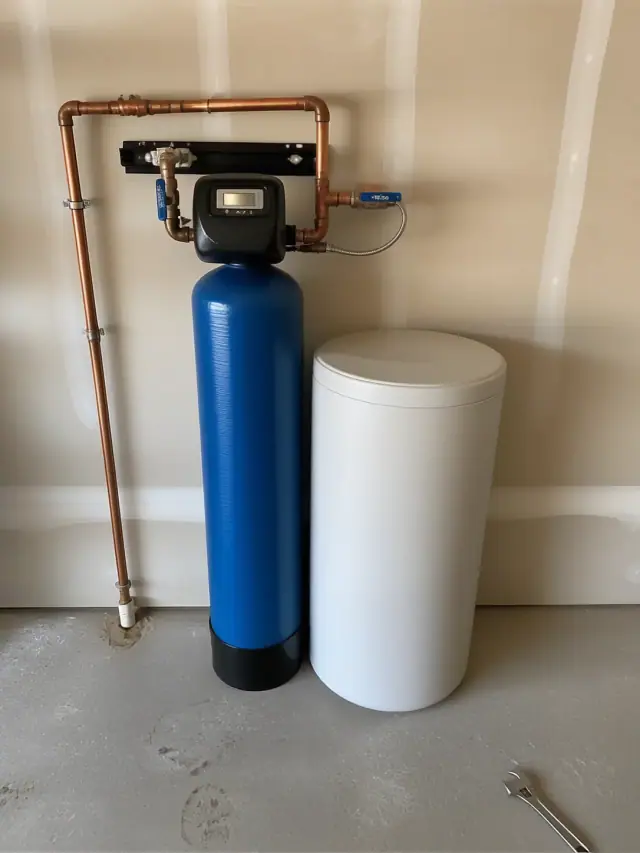
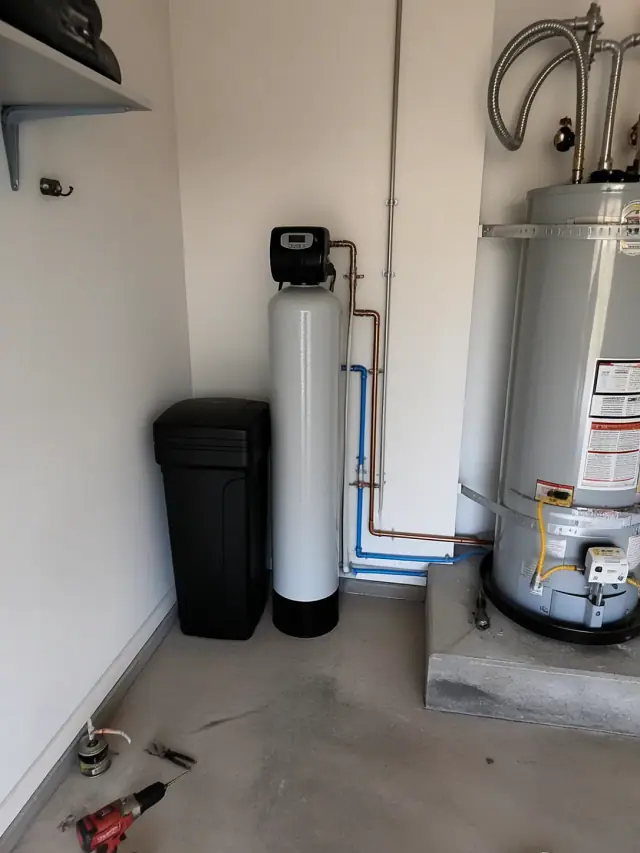
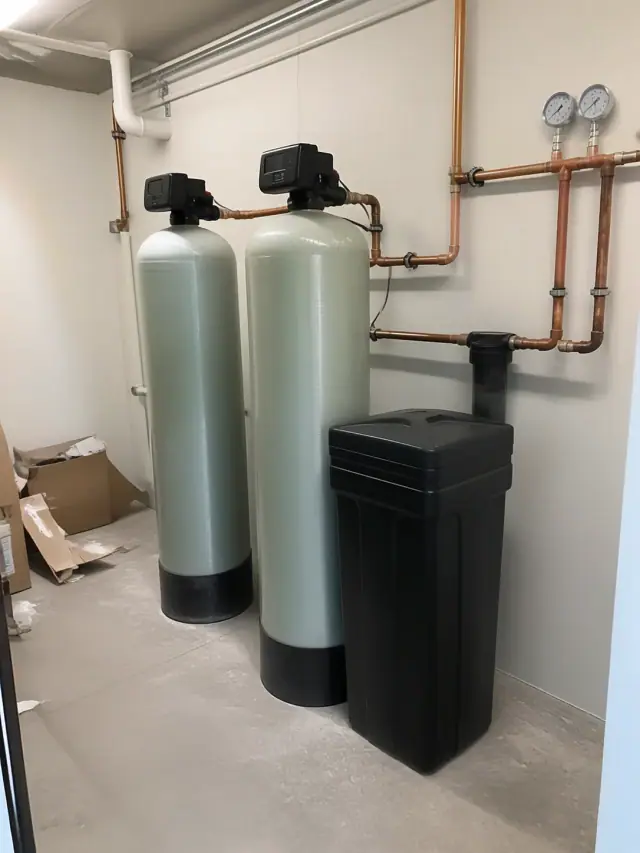
Water softeners use ion exchange resin to remove calcium and magnesium before they can leave scale inside fixtures, water heaters, laundry equipment, and dishwashers. We size each system to your tested grains-per-gallon hardness and household usage so the resin bed has enough capacity to operate efficiently between regeneration cycles.

Explore Service

Reverse Osmosis

Placeholder image 2

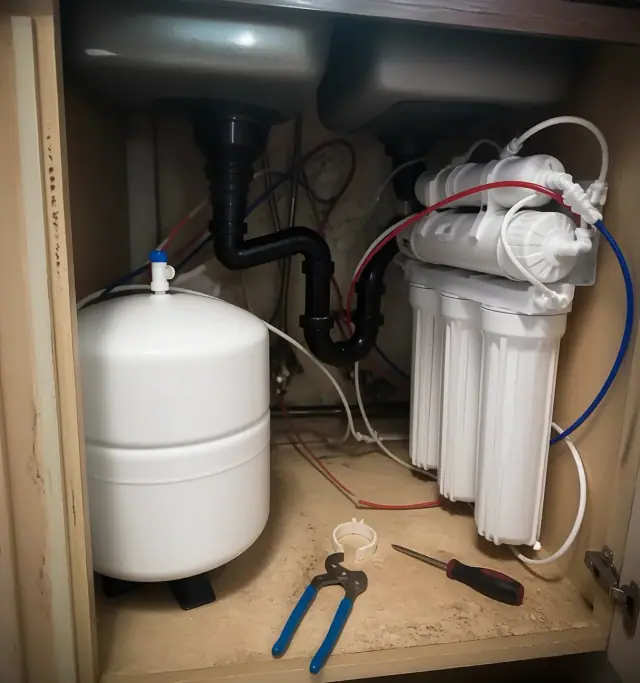
Reverse osmosis installation gives Queen Creek homes a dedicated final stage for drinking and cooking water. RO membranes reject dissolved solids, including sodium introduced by a softener, making them a common under-sink add-on for households that want point-of-use purification beyond whole house softening.

Explore Service

Whole House Filtration

Placeholder image 3

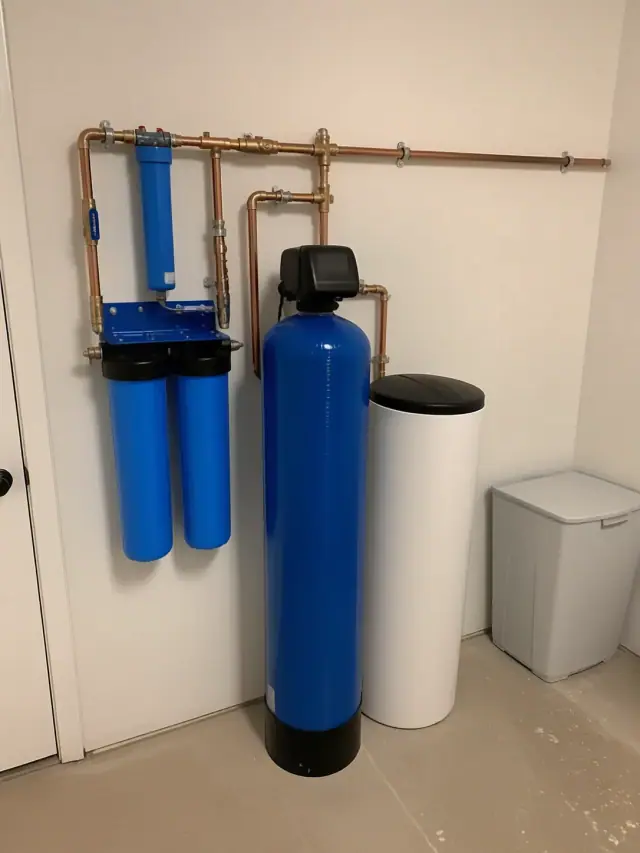
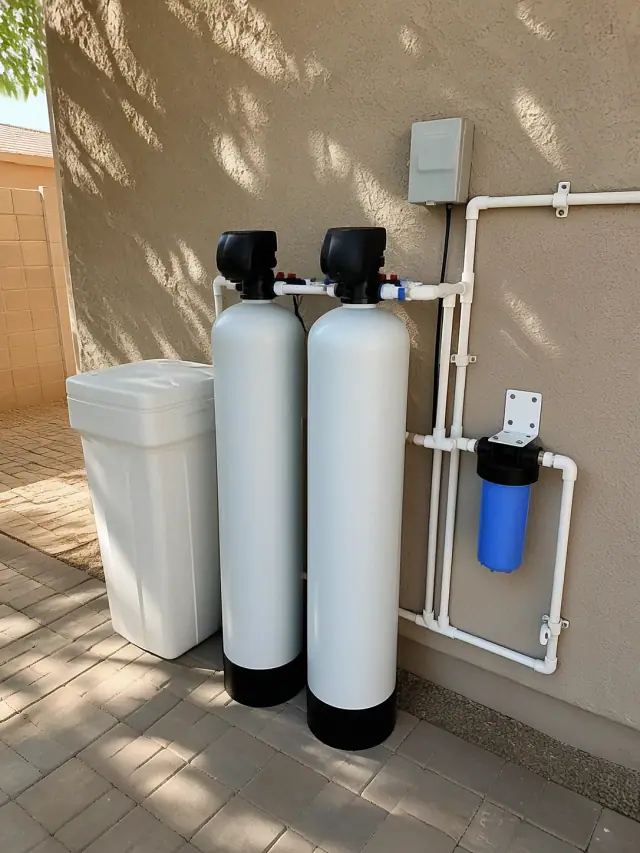
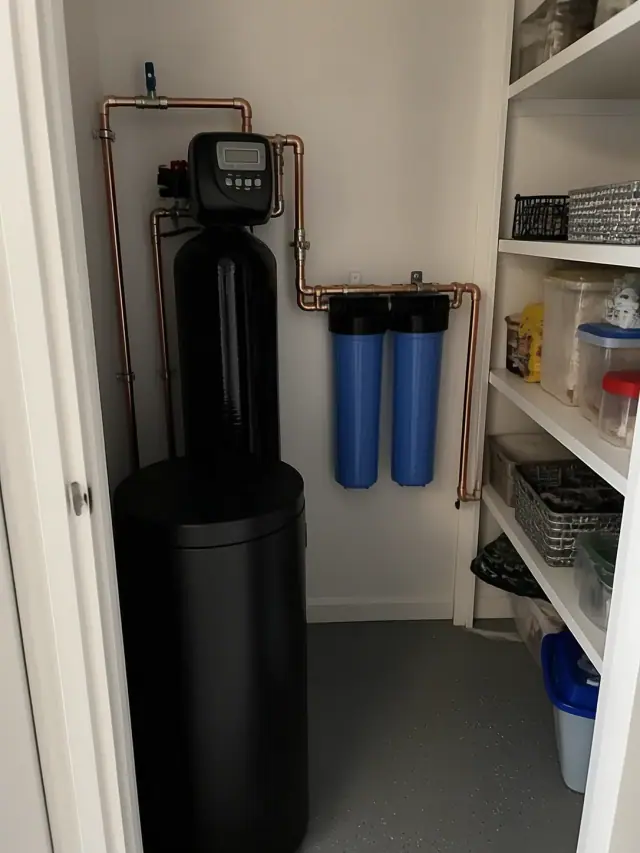
Whole house filtration treats water before it branches to fixtures and appliances, which is useful when Queen Creek water contains sediment, chlorine, chloramine, or other issues a softener does not remove. We can pair sediment pre-filtration, catalytic carbon, softening, and point-of-use RO so each treatment stage has a defined job.

Explore Service

Water Softener Repair

Placeholder image 4

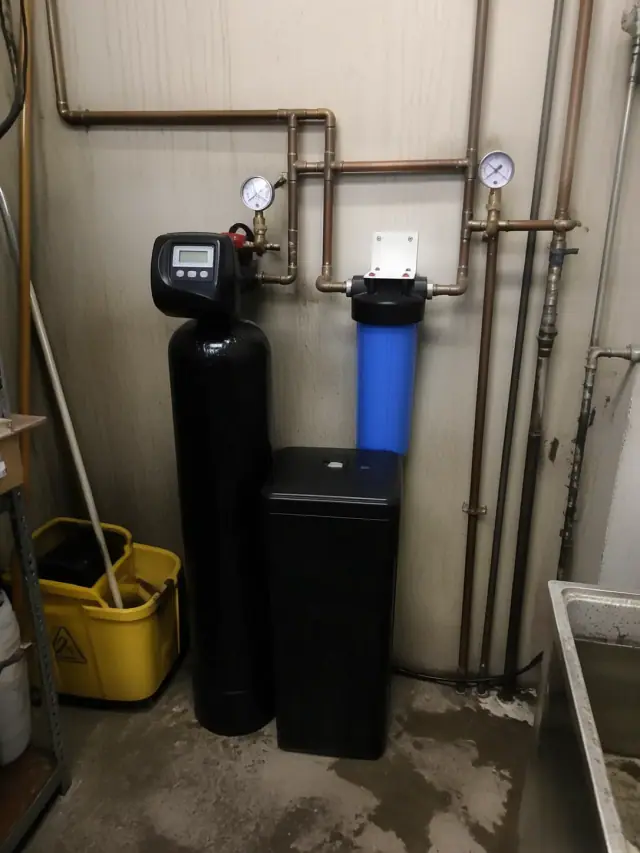
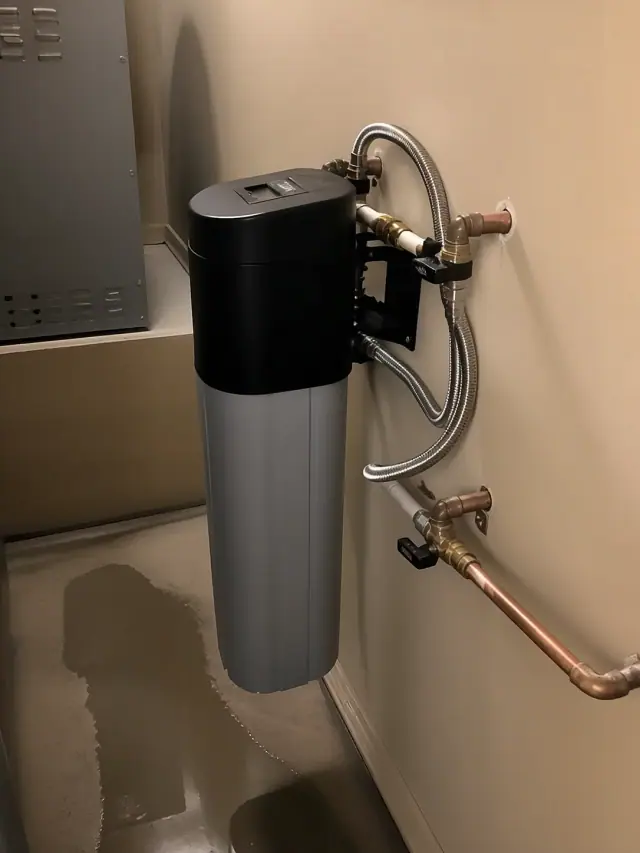
Hard water breakthrough, nonstop regeneration, no regeneration, and salt use that suddenly changes are repair signals with specific mechanical causes. Our technicians diagnose worn resin beds, failed brine draw injectors, fouled control valves, iron or chlorine fouling, frozen bypass valves, and split brine fittings before recommending repair or replacement. When a control valve fails, a bypass valve freezes in the wrong position, or a brine line leaks, same day water softener installation and emergency repair appointments are available for Queen Creek and Mesa homeowners.

Water Softener Maintenance

Placeholder image 5

Maintenance keeps a softener from drifting out of calibration or failing when the brine tank cannot draw properly. Service visits can include salt level checks, brine tank cleaning, resin bed treatment, control valve testing, salt bridge removal, and professional inspection every 12 to 18 months for best performance. Scheduled salt delivery can also keep the brine tank topped off and reduce the risk of hard water passing through when salt runs low.

Residential Water Softener Systems

Placeholder image 6

Residential systems protect showers, laundry, dishwashers, water heaters, and every faucet by treating water at the main supply entry point. We install demand-initiated whole house systems for pre-plumbed new construction, move-in installations, garage utility rooms, and retrofit homes with copper or PEX supply lines. For new-build homeowners, we can also work with existing softener loops or pre-plumbed locations to keep the installation clean.

Salt Water Softener Installation

Placeholder image 7

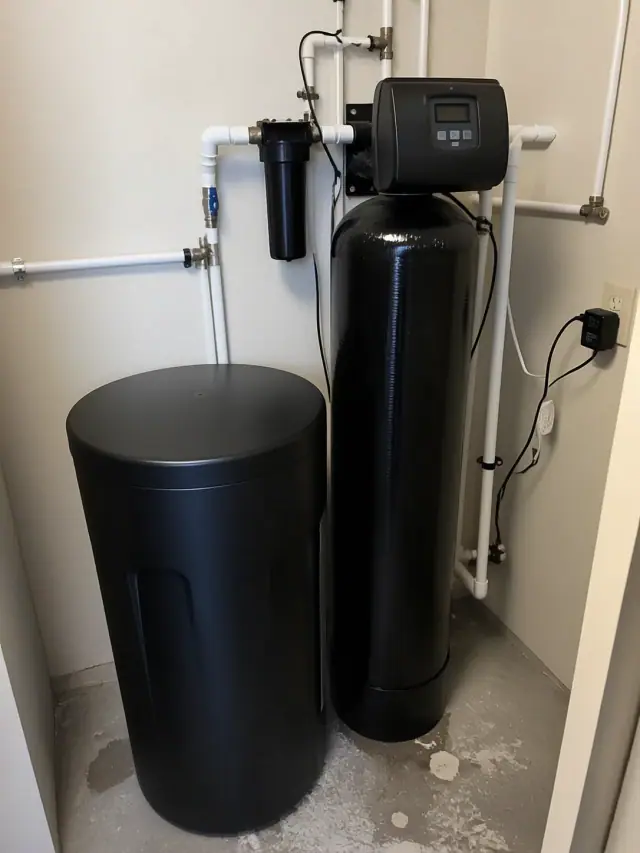
Salt water softener installation is the traditional ion exchange approach for Queen Creek hardness because it actually removes calcium and magnesium from the water. We install the softener, brine tank, bypass valve, drain line with proper air gap, and control valve programming so regeneration is based on measured water use rather than guesswork.

Saltless Water Softener Installation

Placeholder image 8

Saltless systems are more accurately called salt-free water conditioners because they do not remove hardness minerals from the water. Template-assisted crystallization media changes calcium and magnesium into micro-crystals that are less likely to stick as scale, making saltless conditioning an option for medical sodium concerns or discharge restrictions.

Commercial Water Softener Installation

Placeholder image 9

Commercial water softener installation in Queen Creek is available for small commercial operations such as dental offices, restaurants, and light manufacturing where scale can damage equipment or processes. These projects often require larger grain capacity, stronger flow planning, and more complex bypass layouts than a standard residential installation.

Carbon Filtration Additional Treatment

Placeholder image 10

Carbon filtration additional treatment helps address disinfectants and taste concerns that a softener alone cannot solve. Queen Creek municipal water is treated with chloramine rather than free chlorine, so we use catalytic carbon media when the goal is chloramine reduction and resin-bed protection ahead of the softener.

System Selection

How to Choose the Right Water Treatment System in Queen Creek

The right system depends on what your water test shows, not just the city name on your address. We evaluate hardness in grains per gallon, ferrous and ferric iron, manganese, total dissolved solids, chlorine and chloramine, pH, sediment, household flow demand, and whether you need softening alone or a staged plan that includes filtration and reverse osmosis.

Custom Water Testing

We begin with water testing because a home with 3 parts per million of iron and 20 grains of hardness needs a different resin and capacity plan than a standard municipal-water home. Testing determines the system type, resin grade, tank size, and any pre-filtration needed before we quote equipment.

Proper System Sizing

Sizing starts with daily water consumption multiplied by tested hardness in grains per gallon. We look for an efficient seven-to-ten-day interval between regenerations so the system does not run out of capacity early or sit so long that the resin bed compacts.

Softener and Filtration Integration

Queen Creek homes often get better results when softening is combined with the right supporting treatment. A sediment pre-filter can protect the resin bed, catalytic carbon can address chloramine, UV can be considered for well-water applications, and reverse osmosis can polish drinking water at the kitchen sink.

Code-Conscious Installation Layout

Installation quality matters as much as equipment selection. We include a dedicated bypass valve, route the drain line to a proper standpipe or floor drain with an air gap, position the brine tank for salt access, and program the control valve to the tested hardness and household flow rate.

Demand-Initiated Efficiency

Modern demand-initiated softeners regenerate only when the resin bed is approaching exhaustion based on actual water use. That avoids the 50 to 80 gallons of water and several pounds of salt that an older timer-based system can waste during unnecessary regeneration cycles.

Long-Term Maintenance Support

We keep records of your water test results, system programming, and installation date so future service starts with the right context. If seasonal source blending changes your water quality, we can retest and adjust settings, and most manufacturers recommend professional inspection every 12 to 24 months.

Queen Creek Water Issues

Common Water Treatment Problems in Queen Creek Properties

Hard water problems in Queen Creek show up as fixture scale, rough laundry, appliance wear, tankless heater stress, and treatment equipment that no longer keeps up. Many East Valley subdivisions built in the last decade use PEX-A supply lines, but mineral accumulation still affects fixtures, solenoid valves, appliance screens, irrigation equipment, evaporative coolers, and pool equipment connected to untreated supply water.

Test My Water

Scale and White Spots

White deposits on faucets, shower glass, and sinks are visible signs of calcium and magnesium falling out of hard water. At hardness above 7 grains per gallon, scale also begins accumulating inside water heaters and other equipment where you cannot see it.

Poor Lather and Stiff Laundry

Hardness minerals interfere with soap and detergent, which is why Queen Creek homes with untreated water often need more product to get the same cleaning result. Soft water improves lathering and helps laundry rinse cleaner instead of feeling stiff or coated.

Water Heater and Appliance Stress

Scale inside a tank or tankless water heater makes the unit work harder to heat the same volume of water. In high-hardness regions, softeners have been shown to reduce water heater energy consumption by 22 to 29 percent, and untreated tankless heat exchangers can fail within a few years when scale buildup is severe. Queen Creek-area hardness can also shorten water heater life to under a decade without treatment.

Hard Water Breakthrough

If a softener regenerates too frequently, fails to regenerate, or lets hard water pass during service cycles, the cause may be resin exhaustion, a control-valve issue, or poor brine draw. We diagnose the failure before recommending whether repair, resin treatment, or replacement makes more sense.

Salt Bridging and Brine Tank Problems

A brine tank can look full while a hard salt crust bridges above the water line and prevents proper brine from forming. Salt levels should be checked monthly, refilled when the tank is less than one-third full, and inspected once or twice a year for bridging and cleanup needs.

Chloramine, Sediment, and Resin Fouling

A softener handles hardness minerals, but it does not remove chlorine, chloramine, volatile organic compounds, or nitrates. Sediment and disinfectants can shorten resin life, which is why a complete system may include pre-filtration and catalytic carbon before the softener.

Why Choose Us

Why Choose Mesa Water Softeners in Queen Creek?

Mesa Water Softeners focuses on water treatment rather than generic plumbing assumptions. Our technicians work to Water Quality Association standards, install to Arizona Registrar of Contractors licensing requirements, follow Maricopa County plumbing code, and provide written proposals based on testing, equipment needs, and installation complexity.

Local East Valley Water Knowledge

Queen Creek water conditions vary with seasonal blending between Colorado River water through the Central Arizona Project and local groundwater aquifers. We account for local hardness, iron in well-served areas, desert climate effects on evaporative coolers, and new-construction plumbing layouts when recommending equipment.

Transparent Written Pricing

Your proposal is prepared after the water test and before work begins, with equipment, labor, fittings, materials, and the first bag of salt identified clearly. If we uncover a corroded shutoff valve or another issue during installation, we stop and discuss it before proceeding. We do not charge travel fees within the standard coverage zone, and pricing does not vary based on which part of the East Valley you are in.

Clean Workmanship and Service Access

A clean installation is easier to maintain and less likely to leak later. We cut and deburr piping properly, use fittings torqued to specification, build a serviceable bypass layout, and leave the brine tank accessible for salt filling and future maintenance.

Simple Process

Our Water Treatment Process in Queen Creek

Our process is built to avoid generic recommendations and undersized equipment. We test the water, calculate demand, design the treatment sequence, complete the installation, verify the system, and remain available for maintenance, troubleshooting, retesting, and seasonal setting adjustments.

01.

Test the Water

We test for hardness, iron, manganese, total dissolved solids, chlorine and chloramine, pH, and sediment before recommending equipment. That data tells us whether a standard softener is enough or whether the resin bed needs protection from iron, sediment, or disinfectant exposure.

02.

Calculate System Size

We calculate daily grain demand by multiplying household water use by tested hardness. For example, four occupants using about 75 gallons per person per day with 18-grain water create about 5,400 grains of daily demand, making a 48,000-grain unit an efficient fit at roughly eight to nine days between regenerations.

03.

Recommend Treatment Stages

After sizing the softener, we decide whether the home needs pre-filtration, catalytic carbon, salt-free conditioning, reverse osmosis, or well-water treatment support. A typical municipal-water sequence may include a 5-micron sediment pre-filter, catalytic carbon for chloramine, a demand-initiated softener, and under-sink RO.

04.

Install and Program the System

Installation includes shutting off the water, cutting in the bypass assembly, connecting the brine tank, routing the drain line with a code-appropriate air gap, and programming the control valve. Standard installations usually take two to four hours when access is straightforward.

05.

Verify Regeneration and Flow

Before leaving, we confirm the plumbing layout, drain connection, bypass operation, brine draw, programming, and flow through the system. For more complex work such as a new loop, copper soldering, or a confined installation, the job can take four to six hours.

06.

Maintain, Retest, and Adjust

After installation, we remain available for troubleshooting and scheduled maintenance. Maintenance can include resin cleaner every three to six months when iron is present, brine tank cleaning, control valve testing, salt bridge removal, and setting adjustments if local water quality shifts.

Result Examples

Water Treatment Outcomes for Queen Creek Homes & Businesses

Case Study 1: A four-person Queen Creek household with 18-grain water needed capacity that would not run out before regeneration. Using the 5,400-grain daily demand calculation, we matched the home to a 48,000-grain demand-initiated softener designed for an efficient eight-to-nine-day cycle.

Case Study 2: A private-well property tested with iron alongside high hardness, so a generic softener would have fouled quickly. The solution focused on iron-capable resin, sediment awareness, and system sizing that accounted for both hardness removal and iron load.

Case Study 3: A small Queen Creek commercial site needed water treatment to protect equipment and daily processes. We planned a larger-capacity softener with a more serviceable bypass and flow layout than a typical residential installation would require.

Get Better Water

Schedule a Water Treatment
Consultation
Today

Schedule a local water test and get a written recommendation for your Queen Creek home or business. We will explain your hardness reading, compare softening, filtration, and reverse osmosis options, and help you decide whether repair, maintenance, replacement, or new installation is the right next step.

Queen Creek Water Help

FAQs About Water Treatment in Queen Creek, AZ

These answers cover common questions about water softeners, reverse osmosis, whole house filtration, repair, maintenance, and system sizing for Queen Creek and nearby East Valley properties.

Call Our Experts

For a Queen Creek or Mesa home, a professionally installed whole house water softener typically ranges from approximately $1,550 to $5,500. Most standard residential installations land around $1,800 to $3,500, while straightforward installation labor often runs $200 to $600 depending on access and plumbing complexity. Equipment costs vary by resin grain capacity, from a standard 32,000-grain softener for a smaller household to a 64,000-grain system with iron-rated resin for larger or well-water applications.

The right size depends on your daily water use and the tested hardness in grains per gallon. A four-person household using about 75 gallons per person per day with 18-grain water creates about 5,400 grains of daily demand, so a 48,000-grain system would typically regenerate about every eight to nine days.

Most standard residential installations take two to four hours from shutoff through programming and verification. More complex installations, such as a new plumbing loop, copper soldering, a long drain run, or a confined space, can take four to six hours.

Ion exchange softening physically removes calcium and magnesium and replaces them with sodium ions, so softened water can test at zero grains of hardness. Salt-free conditioning does not remove the minerals; it changes them into suspended micro-crystals that are less likely to adhere as scale.

Salt should be checked monthly and refilled when the brine tank is less than one-third full. The brine tank should be inspected once or twice a year for bridging, resin cleaner may be needed every three to six months if iron is present, and professional inspection is recommended every 12 to 18 months.

Yes for many Queen Creek homes because local hardness commonly falls in the 15-to-22-grain range and can exceed 20 grains per gallon. In high-hardness conditions, softeners can reduce water heater energy consumption by 22 to 29 percent and help protect appliances over a system lifespan that can reach 15 to 20 years or more with maintenance.

A softener protects plumbing and appliances by removing hardness minerals, but it is not designed as a final drinking-water purifier. Reverse osmosis is a common under-sink add-on because RO membranes reject dissolved solids, including sodium introduced during softening, for drinking and cooking water.

Whole house filtration can address issues a softener does not remove, such as sediment, chlorine, chloramine, and some taste or odor concerns. For Queen Creek municipal water, catalytic carbon is important when the goal is chloramine reduction because chloramine is harder to remove than standard free chlorine.

Common repair signs include hard water breakthrough, regeneration that happens too often, no regeneration at all, unusual salt use, or water passing through during a service cycle. Causes can include a worn resin bed, failed brine draw injector, fouled control valve, resin fouling from iron or chlorine, or a bypass valve problem.

Yes. Well water should be tested for iron, sediment, hardness, and other conditions before any softener recommendation is made, because iron and particulates can foul resin and change the treatment plan. Some well applications may also call for sediment pre-filtration or UV disinfection as part of the system design.

Demand-initiated regeneration means the control valve regenerates based on actual water consumption and remaining resin capacity rather than a fixed clock schedule. This can avoid unnecessary cycles that may waste 50 to 80 gallons of water and several pounds of salt on older timer-based systems.

Saltless systems do not remove hardness minerals the way ion exchange softeners do. They use template-assisted crystallization media to change dissolved calcium and magnesium into micro-crystals that pass through plumbing with less scale adhesion, which can be helpful where sodium or discharge concerns matter.

Mesa Water Softeners serves Queen Creek, Mesa, Gilbert, Chandler, San Tan Valley, Gold Canyon, Florence Junction, and surrounding East Valley communities. Coverage includes Queen Creek 85242 and 85240, San Tan Valley 85143, Mesa 85201 through 85215, Gilbert 85295 through 85298, and Chandler 85224 through 85226.

Queen Creek water sources commonly test above 200 parts per million of hardness, which is roughly 12 to 22 grains per gallon depending on the season and source blend. Hardness is regulated differently from health contaminants, so it usually arrives at the home meter and has to be handled with in-home treatment.

Testing can include hardness in grains per gallon, ferrous and ferric iron, manganese, total dissolved solids, chlorine and chloramine, pH, and sediment. Those results determine whether you need a softener only, a larger or iron-capable system, carbon filtration, sediment pre-filtration, reverse osmosis, or another staged treatment approach.