Proudly serving Mesa, Tempe & surrounding areasCall or Text 24/7: 602-905-5577

Residential Water Softener Systems in Mesa, AZ

Mesa Water Softeners installs, services, and maintains residential water softener systems for homes in Mesa, AZ. Our main services include salt-based water softeners, whole-house filtration, carbon filtration, and integrated reverse osmosis systems matched to East Valley water conditions. We help homeowners protect plumbing, water heaters, dishwashers, laundry equipment, and fixtures from the scale that comes with hard desert water.

Mesa tap water comes from the Salt River Project and the Colorado River, and hardness levels routinely exceed 200 ppm, well above the 120 ppm level where scale and appliance wear become serious concerns. Every recommendation starts with water testing for hardness, TDS, chlorine, iron, and sediment, so you get equipment sized for your home instead of a one-size-fits-all unit. As a licensed water softener installer and certified water treatment specialist, we focus on clean installation, transparent pricing, and support after the system is running.

Mesa Water Softeners provides residential water softener systems in Mesa and neighboring Gilbert, Chandler, Tempe, Apache Junction, and the broader Phoenix metro area.

Mesa Water Softeners provides residential water softener systems throughout Mesa and the greater Phoenix metro area, including Tempe, Phoenix, Scottsdale, Chandler, Gilbert, Glendale, Peoria, Goodyear, Avondale, Surprise, Queen Creek, Apache Junction, Paradise Valley, Fountain Hills, Cave Creek, Laveen, Ahwatukee, Guadalupe, and more.

★ ★ ★ ★ ★4.9/5 Average Rating · 20+ Years of Experience · thousands of Customers Helped · Licensed & Insured · Residential & Commercial

Residential Water Softener Systems & Benefits

What Is a Residential Water Softener?

A residential water softener is a point-of-entry system that treats the water feeding your whole home. In Mesa homes, that usually means installation near the garage water main or existing softener loop so showers, faucets, the dishwasher, washing machine, and water heater all receive softened water.

Salt-based softeners use ion exchange technology. Water flows through a resin tank where calcium and magnesium hardness minerals trade places with sodium ions, then the resin is regenerated with sodium chloride brine when its capacity is used.

Saltless conditioners can reduce how strongly hardness minerals stick to surfaces, but they do not remove those minerals from the water. Because Mesa water can be significantly elevated in hardness and TDS, true salt-based softening generally delivers the most consistent scale prevention and soft-water feel for local homes.

Benefits of Soft Water at Home

Soft water helps Mesa homeowners reduce the daily damage caused by mineral-heavy water. A properly sized system protects plumbing and appliances while making cleaning, bathing, laundry, and dishwashing easier.

  • Helps prevent calcium and magnesium scale inside pipes, fixtures, and water heaters.
  • Reduces water spots on dishes, glass shower doors, faucets, and tile.
  • Improves soap, shampoo, and detergent performance so products rinse more completely.
  • Protects dishwashers, washing machines, tankless water heaters, and other water-using appliances.
  • Supports water-heater efficiency, with documented energy savings of 22 to 29 percent when scale is prevented.
  • Cuts down on soap scum, bathtub rings, and repeated hard-water cleanup.
  • Extends reverse osmosis membrane life by lowering the mineral load before drinking-water treatment.
  • Treats the whole house from one central system instead of only one sink or fixture.
Water Treatment Services

Residential Water Softener Services

Mesa Water Softeners handles the full residential water treatment path, from testing and sizing to installation, maintenance, and integrated filtration. We recommend systems based on measured water quality, household use, installation space, and the specific problems you want to solve.

Salt-Based Water Softener Installation

Placeholder image 1

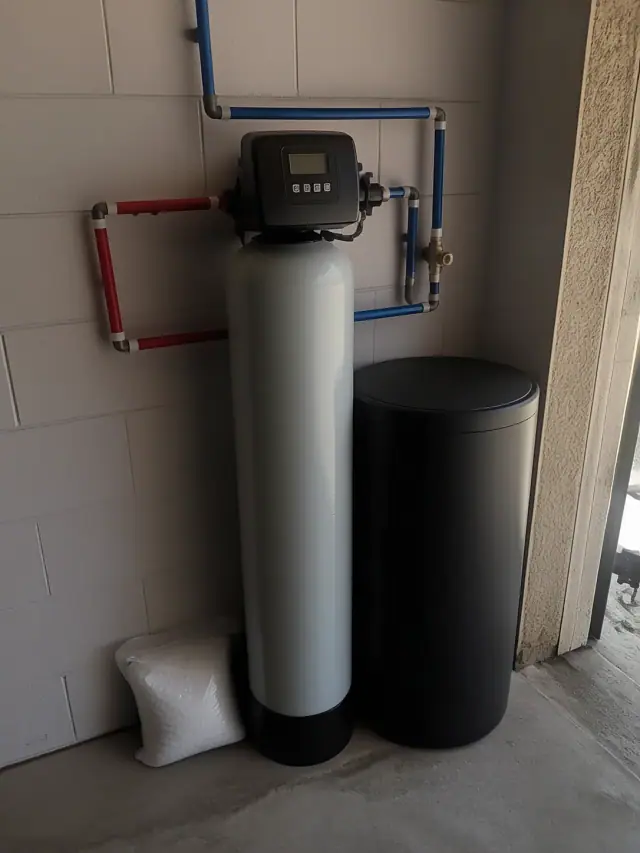
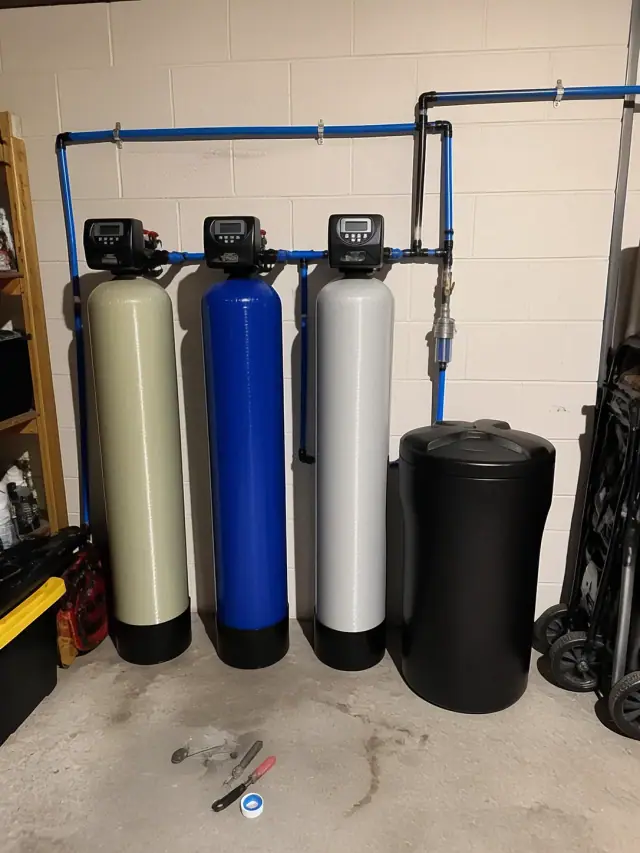
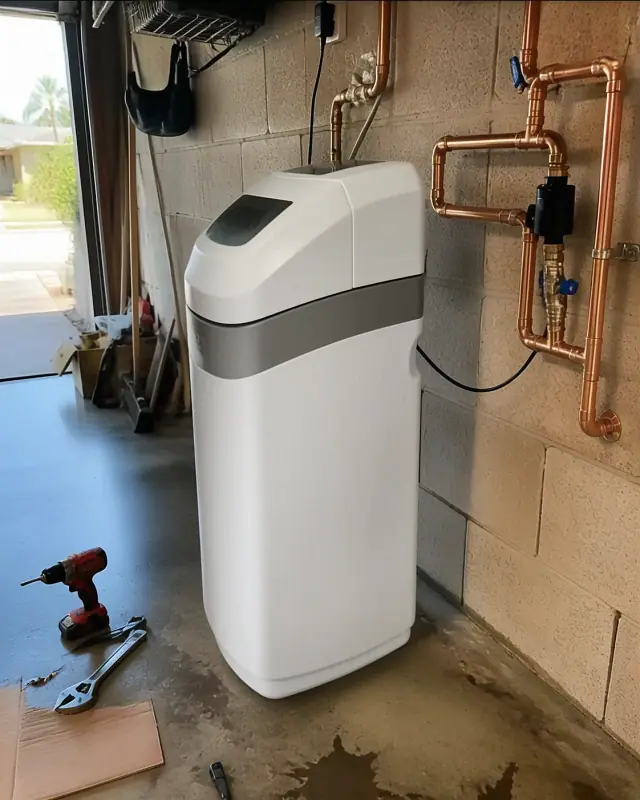
We install salt-based ion exchange systems that remove calcium and magnesium hardness minerals from the home supply. This is the most direct solution for Mesa homeowners who want real soft water, less scale, and better protection for plumbing and appliances.

Request Estimate

Whole-House Water Filtration

Placeholder image 2

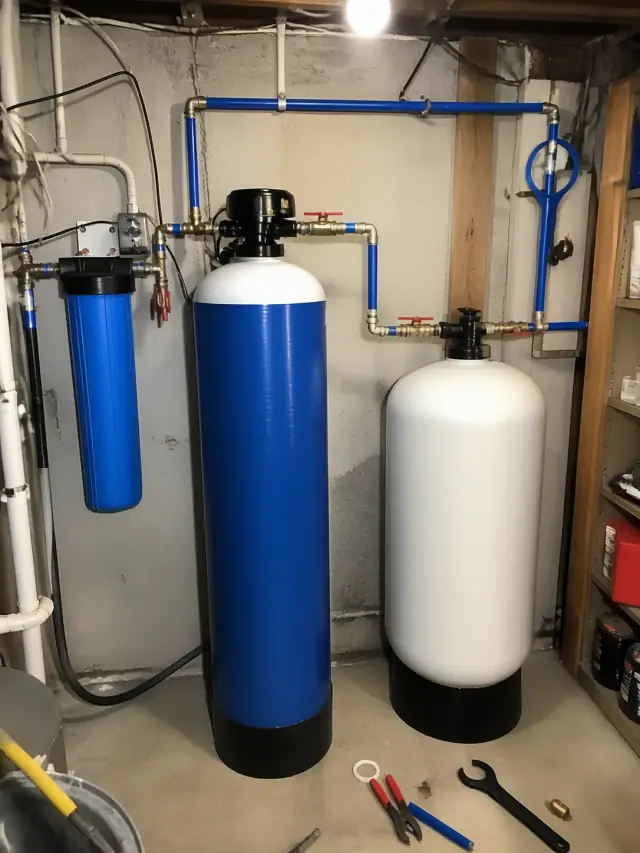
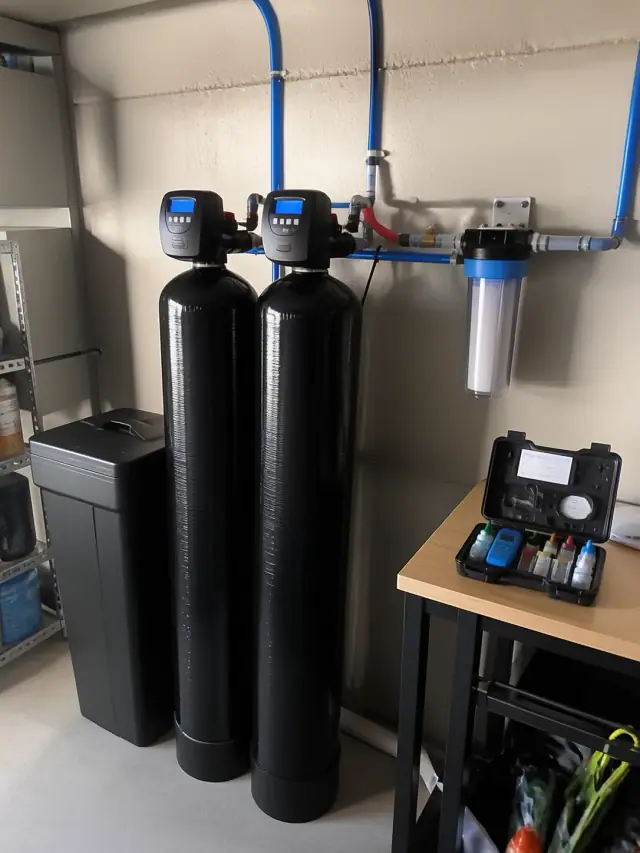
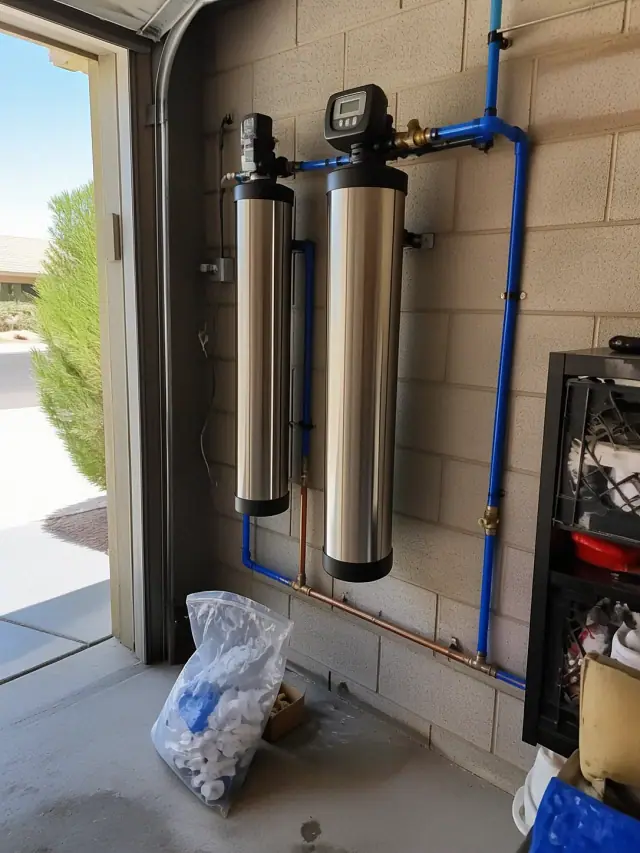
Water softening removes hardness, but many homes also benefit from filtration. City of Mesa water is disinfected with chlorine and chloramine, so we add sediment filters and whole-house carbon filtration when testing or customer concerns point to particulate matter, taste, shower odor, or disinfectant smell.

Request Estimate

Reverse Osmosis System Integration

Placeholder image 3

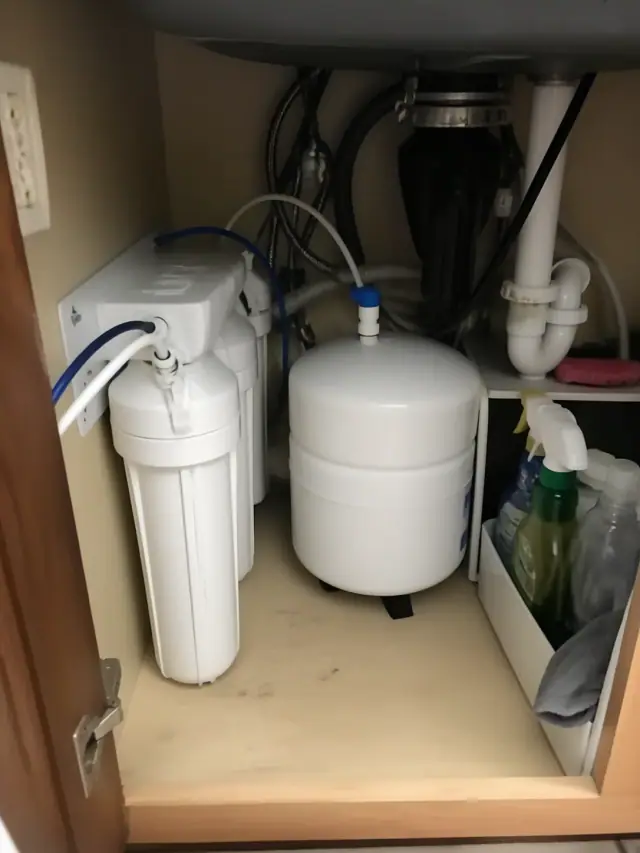
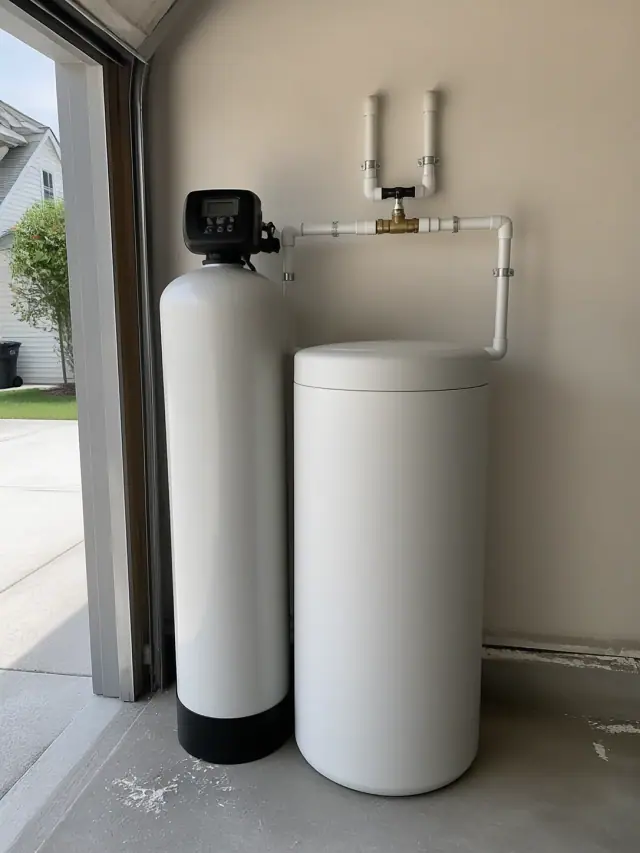
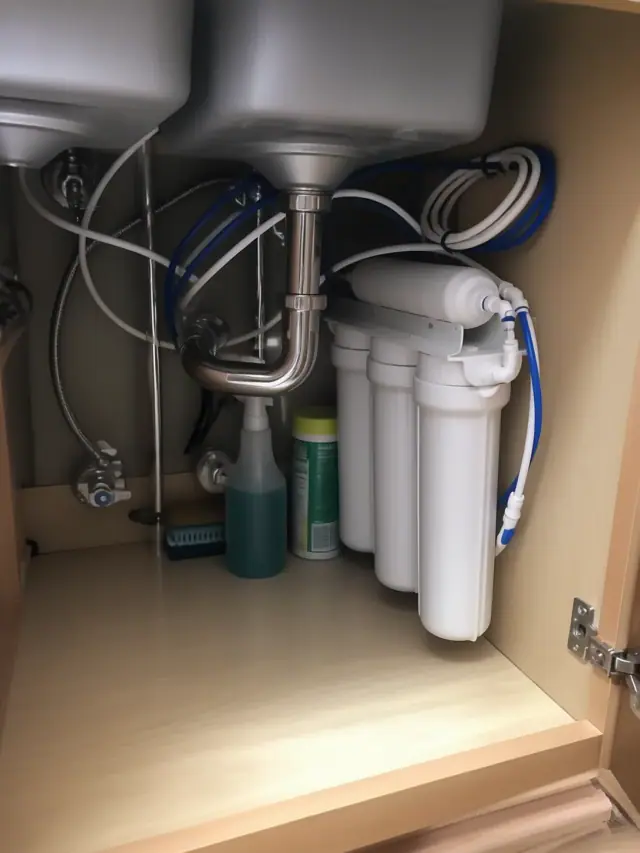
A whole-house softener can be paired with an under-sink reverse osmosis system for drinking and cooking water. RO treatment targets TDS, chlorine, nitrates, fluoride, and other dissolved substances that a softener is not designed to remove.

Request Estimate

Water Softener Maintenance & Service

Placeholder image 4

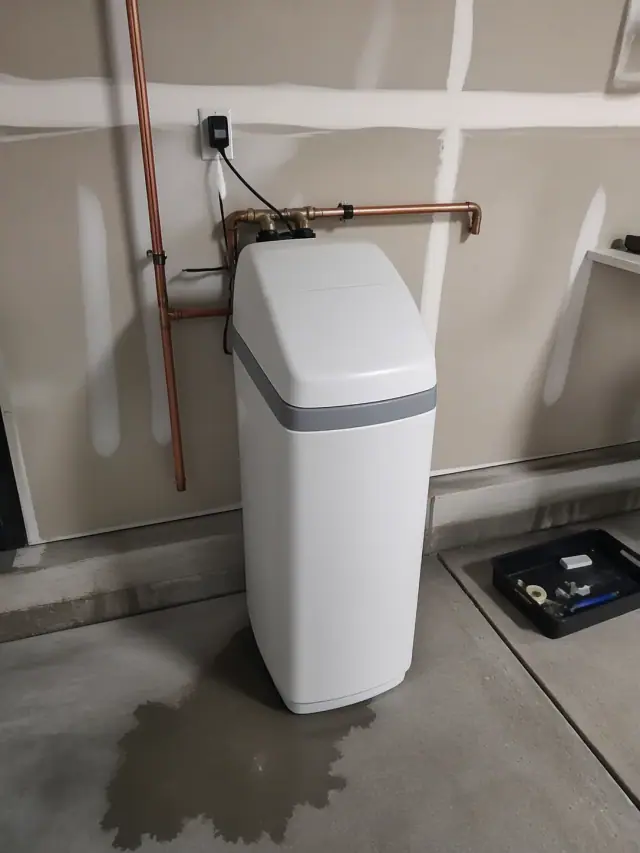
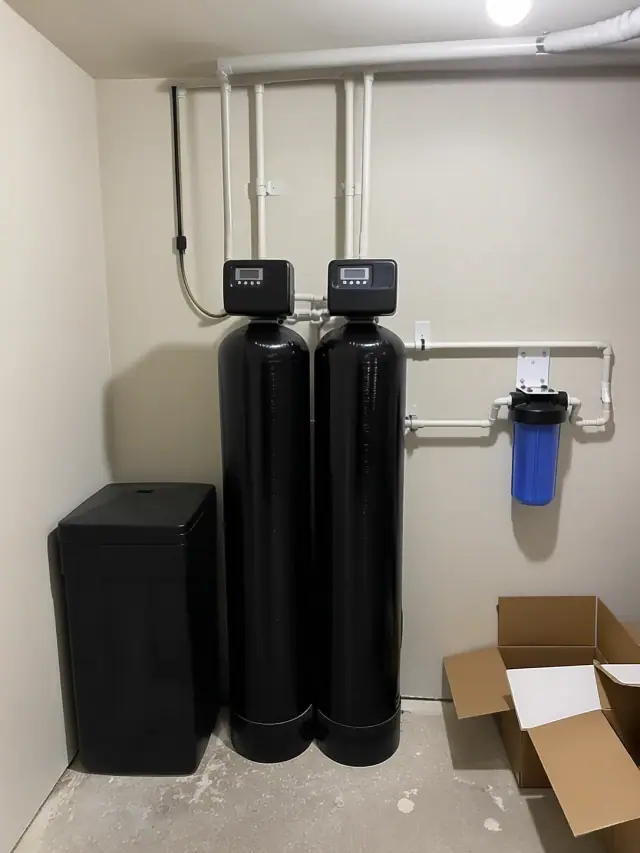
We service installed systems with resin checks, brine tank cleaning, salt-bridge troubleshooting, valve setting reviews, and repair support. Regular maintenance helps keep regeneration cycles efficient and prevents small issues from turning into poor soft-water performance.

Request Estimate

Iron, Sediment & Odor Treatment

Placeholder image 5

Some properties need more than hardness removal, especially homes with iron, sediment, or sulfur odor concerns. We identify those issues through testing and recommend targeted iron removal, sediment filtration, carbon filtration, or staged treatment when needed.

Request Estimate

Water Testing & System Sizing

Placeholder image 6

Every project starts with a water test for hardness in grains per gallon, TDS, chlorine, iron, sediment, and other relevant factors. We size the system by household size, daily water consumption, and measured hardness so it regenerates at the right interval without wasting salt or water.

Request Estimate
System Options

Types of Water Softener Systems

The right system depends on your water chemistry, home layout, household size, budget, and expectations. We explain the tradeoffs clearly, from true softening and high-efficiency controls to saltless conditioning, RO drinking water, and smart system features.

Placeholder image 7

Salt-Based Ion Exchange Systems

Salt-based systems are the standard choice when the goal is to remove hardness minerals from Mesa water. They use a resin tank and brine tank to exchange calcium and magnesium for sodium ions, then regenerate the resin when capacity is used.

  • Physically removes calcium and magnesium hardness minerals.
  • Best fit for homes dealing with heavy scale and soap scum.
  • Provides the soft-water feel many households expect.
  • Uses a brine tank with sodium chloride for regeneration.
  • Can be sized for high-hardness Mesa water conditions.
Request System Estimate
Placeholder image 8

Demand-Initiated High-Efficiency Systems

Demand-initiated softeners use a flow meter to track actual water use and regenerate only when the resin capacity has been used. That is a major improvement over older timer-based units that regenerate on a fixed schedule whether the home needs it or not.

  • Regenerates based on water use instead of a fixed clock.
  • Reduces unnecessary salt use and brine discharge.
  • Helps avoid hardness breakthrough between cycles.
  • Works well for households with changing daily water use.
  • Offers a practical efficiency upgrade over older timer systems.
Request Efficiency Options
Placeholder image 9

Saltless Water Conditioners

Saltless conditioners alter the behavior of hardness minerals so they are less likely to stick to surfaces, but they do not remove calcium or magnesium from the water. We discuss them honestly when sodium concerns, lower hardness levels, or discharge restrictions make conditioning worth considering.

  • Conditions hardness minerals rather than removing them.
  • May fit lower-hardness homes or specific household preferences.
  • Does not provide the same soft-water feel as ion exchange.
  • Can help reduce adhesion of minerals on some surfaces.
  • Requires clear expectations before choosing it for Mesa water.
Compare System Types
Placeholder image 10

Integrated Filtration & RO Systems

A staged system can soften water at the point of entry and polish drinking water at the kitchen sink. We integrate sediment filtration, carbon filtration, water softening, and reverse osmosis so each stage handles the issue it is designed to treat.

  • Sediment filtration protects the softener resin bed.
  • Carbon filtration helps address chlorine taste and odor.
  • Reverse osmosis treats drinking and cooking water at the sink.
  • Softened feed water helps extend RO membrane life.
  • Staged treatment avoids overloading one piece of equipment.
Plan Integrated Treatment
Placeholder image 11

Premium & Smart Water Softener Systems

Premium systems can include smart controls, higher grain capacity, remote monitoring, leak detection integration, and app-based salt level alerts. We also confirm the physical footprint, since many Mesa garage softener loops fit common 9-by-48-inch or 10-by-54-inch resin tanks.

  • Smart controls can provide remote monitoring and alerts.
  • Higher grain capacity can support larger homes or harder water.
  • Leak detection integration adds another layer of home protection.
  • Salt level alerts make routine maintenance easier to manage.
  • Tank and brine bin sizing are checked before equipment is selected.
Explore Premium Systems
Finding Your Right Fit

Choosing the Right Water Softener System

A good recommendation starts with the details of your home, not a generic equipment package. A household of two or three people with typical Mesa hardness may need a different grain capacity than a family of six, and homes with an existing softener loop usually require less installation work than homes needing new bypass plumbing.

Local Mesa Water Expertise

Mesa is the East Valley's most populous city and Arizona's third-largest city, with 504,258 residents in the 2020 census. Water quality can change across neighborhoods and seasons because the distribution system can blend Salt River Project water, Colorado River water, and some groundwater, so we account for areas such as Red Mountain Ranch, Dobson Ranch, and Las Sendas instead of relying on a generic hardness assumption.

Custom Water Testing First

We test before recommending equipment, measuring hardness, TDS, chlorine, iron, sediment, and any property-specific concerns. That testing helps determine whether you need a softener alone or a staged system with sediment, carbon, iron, odor, or RO treatment.

Clean Installation & Long-Term Support

A professional installation includes the right bypass configuration, secure drain routing, electrical access for the control valve, and fittings suited to the home. After startup, we remain available for brine tank service, resin inspection, valve maintenance, troubleshooting, and repairs.

What Sets Us Apart

Why Choose Us for Water Softener Service?

Mesa Water Softeners combines local water knowledge, licensed installation, certified treatment expertise, and straightforward recommendations. You get a written quote before work begins, clear expectations about system type and capacity, and support after installation rather than a one-time equipment sale.

Request Free Consultation

Mineral Scale on Fixtures

White or yellowish crust around faucet aerators, shower heads, and glass doors is a visible sign of calcium carbonate scale. Mesa evaporation makes those deposits show up quickly on fixtures and surfaces.

Soap Scum and Bathtub Rings

Hardness minerals react with soap instead of letting it lather and rinse freely. The result is sticky shower film, bathtub rings, and more frequent scrubbing around bathrooms and sinks.

Spotty Dishes and Glassware

Hard water leaves spots on dishes and can create etched-looking patterns on glassware after dishwasher cycles. A whole-house softener addresses the hardness before water reaches the dishwasher.

Dry Skin and Hair Residue

Calcium and magnesium in shower water can leave soap and shampoo residue on skin and hair. Many households notice softer-feeling showers and easier rinsing after the hardness minerals are removed.

Water Heater and Appliance Wear

Scale inside a water heater acts like an insulating barrier on heating surfaces, forcing the equipment to work harder. The same mineral buildup can affect washing machines, ice makers, tankless units, and appliance inlet valves over time.

Wrong System Size or Setup

An undersized softener regenerates too often and wastes salt and water, while an oversized unit may wait too long between cycles and allow hardness breakthrough. Correct sizing and installation layout are essential for reliable performance.

How It Works

Our Water Softener Process

Our process is designed to make system selection and installation clear. We test the water, size the system, confirm the installation layout, complete clean plumbing work, start the equipment correctly, and explain how to keep it performing.

01.

Test Your Water

We measure hardness, TDS, chlorine, iron, sediment, and other address-specific factors before discussing equipment. This avoids quoting a system based only on assumptions about Mesa water.

02.

Size the System

We calculate grain capacity from household size, daily water consumption, and measured hardness. Correct sizing helps prevent wasted regeneration cycles and hardness breakthrough.

03.

Plan the Installation

We confirm the installation location, water main entry point, existing softener loop if present, drain route, electrical access, and bypass configuration. Softener loops are common in Mesa homes built after the mid-1990s, and planning first keeps the installation organized and serviceable.

04.

Install the Equipment

We install the resin tank, brine tank, bypass valve, drain line, and fittings with clean workmanship. Connections are made for the plumbing layout and water chemistry found in Arizona homes.

05.

Start Up & Walk Through

After installation, we start the system, verify flow through the bypass and control valve, and check the regeneration settings. We also show you how to add salt, watch for salt bridges, and understand normal operation.

06.

Maintain & Support

We remain available for routine service, brine tank cleaning, resin inspection, valve maintenance, troubleshooting, and repair. Long-term support helps the system keep treating Mesa hard water effectively.

Get Better Water

Schedule a Water
Softener
Consultation

Ready to compare water softener options for your Mesa home? Request a consultation with Mesa Water Softeners and we will test your water, review your plumbing layout, explain your choices, and provide a clear estimate before installation work begins.

Water Softener Help

Residential Water Softener FAQs

Have questions about water softener installation, cost, sizing, maintenance, or system types in Mesa? These answers cover the common decisions homeowners face before choosing whole-house water treatment.

Call Our Experts

Mesa water commonly tests well above the hardness level where scale, appliance wear, and cleaning problems become significant. Hardness levels routinely exceed 200 ppm, and some areas can exceed 300 ppm, compared with the 120 ppm level where buildup becomes a serious concern.

Most professionally installed whole-house water softener systems in the Mesa and greater Phoenix area fall between $1,800 and $5,500. Entry-level systems are often $1,800 to $2,500, mid-range systems are usually $2,500 to $3,500, and premium systems above $3,500 may include smart controls, higher capacity, or added filtration. Homes without a pre-existing softener loop may require new plumbing labor that starts at about $600 depending on the layout.

For many Mesa homeowners, yes. The source material cites energy bill reductions of 22 to 29 percent tied to improved water-heater performance when scale is prevented, and the overall return on investment is often three to five years when appliance wear, detergent savings, cleaning time, and plumbing protection are considered.

Sizing depends on three main variables: household size, daily water consumption, and measured water hardness. A household of two or three people may need a different grain capacity than a family of six, even in the same city. We test your water and calculate capacity before recommending equipment.

A well-maintained residential water softener typically lasts 10 to 20 years depending on equipment quality, water chemistry, sizing, and maintenance. Resin can hold its ion exchange capacity for many years when the system is properly sized, while control valve seals and timer components usually need attention first.

A salt-based water softener uses ion exchange to remove calcium and magnesium from the water. A water conditioner, including many saltless systems, changes how hardness minerals behave so they are less likely to stick to surfaces, but the minerals remain in the water. In high-hardness Mesa conditions, true softening generally provides more definitive results.

Yes. A whole-house softener treats hardness throughout the plumbing, while an under-sink reverse osmosis system treats drinking and cooking water for TDS, chlorine, nitrates, fluoride, and other dissolved substances. Softened feed water also reduces the mineral load on the RO membrane.

We test for hardness in grains per gallon, total dissolved solids, chlorine, iron, sediment, and any other parameters relevant to the property. Those measurements help determine whether the home needs a softener alone or a staged system with sediment filtration, carbon filtration, iron treatment, odor treatment, or reverse osmosis.

Most Mesa residential installations are placed in the garage near the water main entry point or existing softener loop. Loops are common in Mesa homes built after the mid-1990s, but we still verify the drain route for brine discharge, electrical access for the control valve, available tank space, and bypass plumbing before installation begins.

Rental programs lower the upfront cost, but they usually cost more over the full life of a system. Because a properly maintained system often lasts 10 to 20 years, and a 15-year rental period can exceed the purchase cost by a wide margin, buying is usually the stronger financial choice for homeowners staying in place for more than a few years.

Routine maintenance includes adding salt, checking for salt bridges or salt mushing, keeping the brine tank clean, reviewing control valve settings, and inspecting the resin bed periodically. Usage patterns can change over time, so settings may also need adjustment as household size or water demand changes.

A home without a pre-existing loop can still be treated, but it usually requires additional bypass plumbing to tie the system into the main supply. We inspect the water main entry point and plumbing layout first, then include the needed labor in the written estimate before work begins.

A softener is designed to remove hardness minerals, not every water-quality concern. Chlorine taste and odor are handled with carbon filtration, sediment is handled with sediment filtration, iron may require targeted iron removal, and TDS reduction for drinking water is typically handled by reverse osmosis.