Proudly serving Mesa, Tempe, Phoenix, Chandler, Gilbert, Queen Creek & surrounding areasCall or Text 24/7: 602-905-5577

Saltless Water Softener Installation in Mesa, Arizona

Mesa Water Softeners installs saltless water softener systems in Mesa, Arizona for homes and businesses dealing with stubborn mineral scale. Our services include salt-free water conditioner installation, whole-house scale prevention systems, sediment and chlorine filtration, reverse osmosis integration, and complete point-of-entry water treatment. We size each system around your actual hardness, flow demand, plumbing layout, and treatment goals. From Eastmark and Cadence to established neighborhoods near downtown Mesa, our work is built around the water chemistry local properties face every day.

Mesa water commonly tests above 200 parts per million of hardness, and many homes see levels in the 200 to 300 parts per million range. That mineral load can coat faucets, water heaters, dishwashers, washing machines, coffee makers, ice machines, and irrigation equipment faster than most homeowners expect. We begin with on-site water testing for hardness, pH, total dissolved solids, chloramine, iron, and sediment before recommending a system. The result is a no-pressure assessment and an installation plan that targets scale without salt, brine discharge, or regeneration wastewater.

Saltless systems use Template Assisted Crystallization, or TAC, to transform hardness minerals into microscopic crystals that stay suspended instead of attaching to pipe walls, fixtures, and heating elements.

Mesa Water Softeners provides saltless water softener installation in Mesa, Arizona, including Gilbert, Chandler, Tempe, Apache Junction, and the broader Phoenix East Valley metro area.

★ ★ ★ ★ ★4.9/5 Average Rating · 20+ Years of Experience · thousands of Customers Helped · Licensed & Insured · Residential & Commercial

Salt-Free Systems & Whole-House Benefits

What Is Saltless Water Softener Installation?

Saltless water softener installation places a scale prevention system on the main service line so water is conditioned before it reaches the rest of the property. Instead of using a brine tank and ion exchange resin, a salt-free conditioner uses TAC media to change the way calcium and magnesium behave in the water. The minerals remain present, but they are far less likely to bond to plumbing, heating elements, fixtures, and appliance surfaces.

Mesa sits in the Salt River Valley and receives a blend of Central Arizona Project surface water and groundwater wells. Those sources carry dissolved calcium and magnesium, along with chloramines used for disinfection, so a useful system design often considers more than hardness alone. Mesa Water Softeners tests the water first so the installation can match the home instead of relying on a one-size-fits-all unit.

A conditioner is not the same as a traditional sodium-based softener because it does not remove hardness minerals or create the slippery feel associated with ion exchange. For many Mesa properties, the main goal is scale prevention across the whole house without salt bags, electrical regeneration, or brine discharge. When drinking-water quality or taste is also a concern, the conditioner can be paired with catalytic carbon filtration or an under-sink reverse osmosis system.

Benefits of Salt-Free Scale Prevention

A properly sized salt-free system is built to reduce new scale formation throughout the home while keeping maintenance simple. For Mesa homeowners, that means protecting plumbing and appliances from hard water conditions without adding sodium to the water supply or sending brine into the wastewater system.

  • Helps prevent new calcium and magnesium scale on pipes, fixtures, and heating elements.
  • Eliminates routine salt purchases that can reach 40 to 80 pounds per month with many salt-based softeners.
  • Avoids sodium-heavy brine discharge into the wastewater stream.
  • Uses no regeneration cycle, so it does not waste water during backwash.
  • Protects water heaters, dishwashers, washing machines, coffee makers, ice machines, and irrigation equipment from fresh scale buildup.
  • Provides point-of-entry conditioning before water branches to bathrooms, kitchens, laundry rooms, and outdoor fixtures.
  • Keeps maintenance focused on filter cartridges and periodic media service instead of salt, brine tanks, and resin cleaning.
  • Pairs well with catalytic carbon filtration and reverse osmosis when taste, odor, or drinking-water concerns need separate treatment.
Saltless Systems

Salt-Free Water Treatment Services

Mesa Water Softeners installs and supports salt-free systems as part of complete water treatment plans. Each service below addresses a different part of Mesa hard water: scale prevention, sediment control, chloramine reduction, drinking-water filtration, and long-term performance checks.

Saltless Water Softener Installation

Placeholder image 1

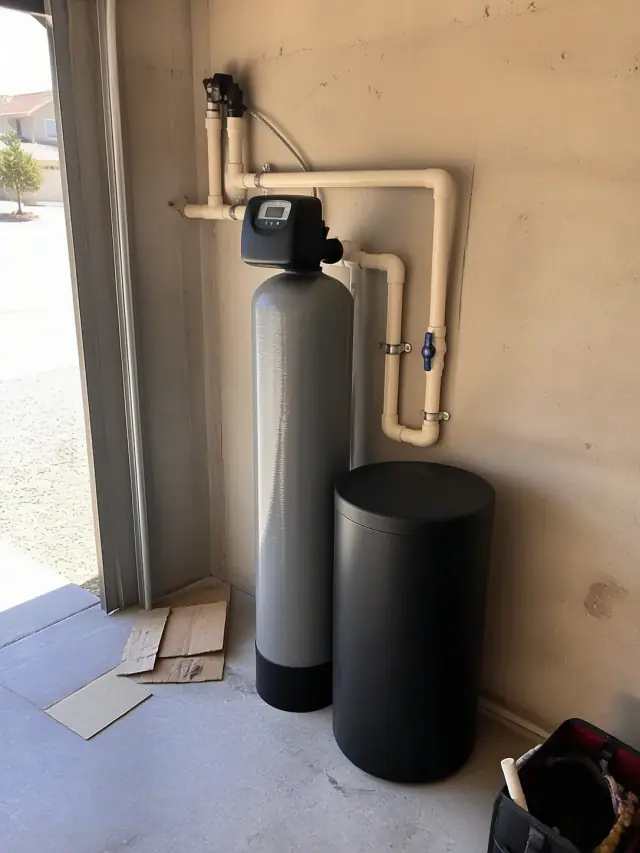
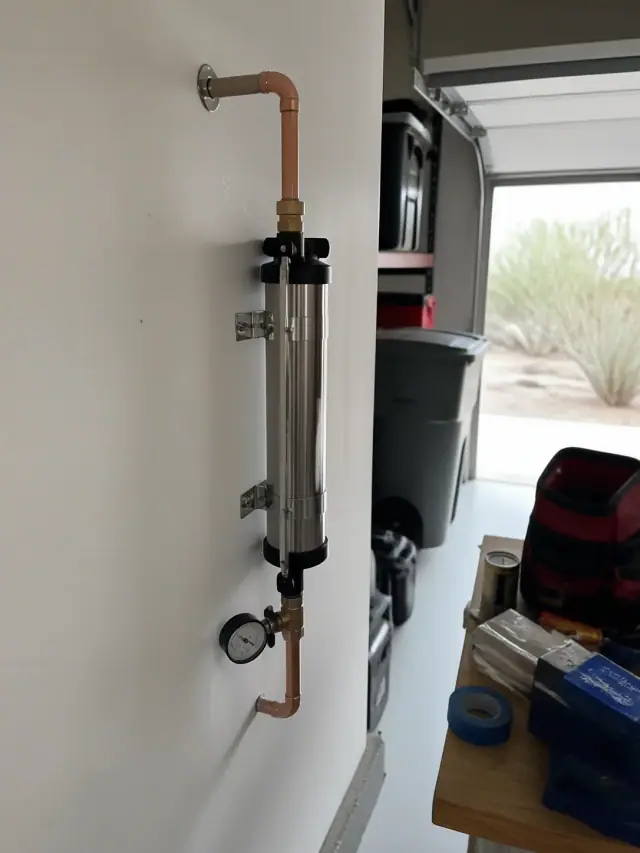
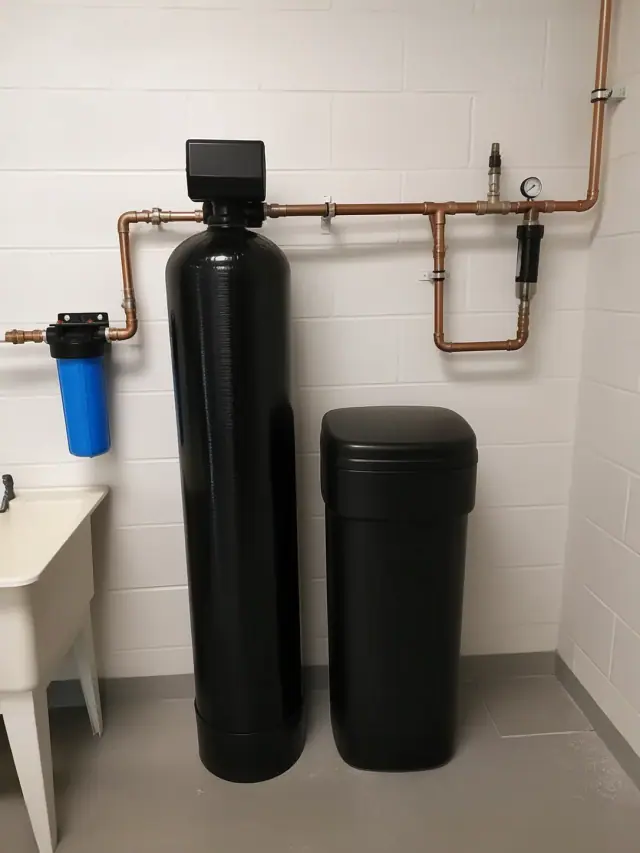
We install TAC-based point-of-entry conditioners on the main service line, typically near the water treatment loop in the garage or utility room. The system is positioned after the water meter and before the first branch so treated water reaches every fixture and appliance. Installations include clean connections, proper shutoff valves, service access, and a bypass assembly for future maintenance.

Request Estimate

Salt-Free Water Conditioner Installation

Placeholder image 2

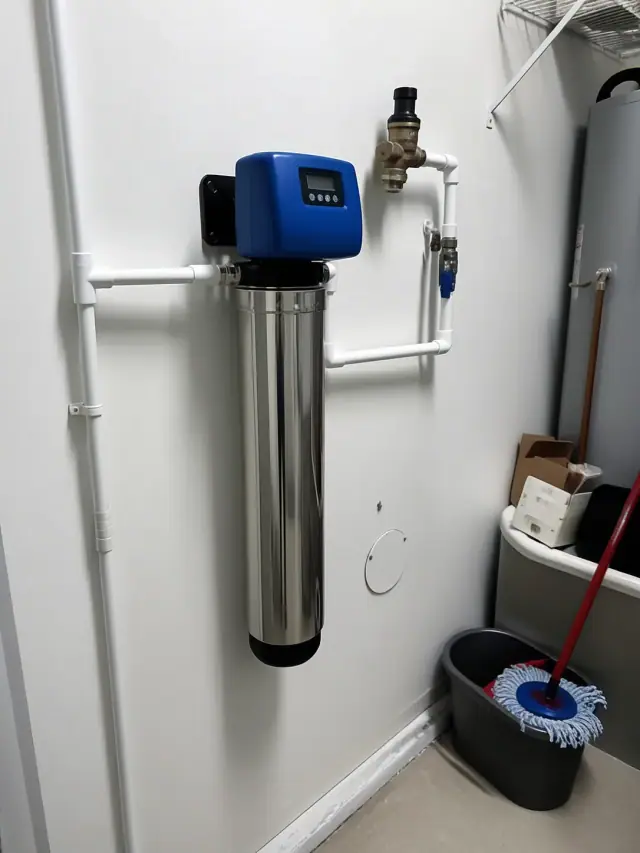
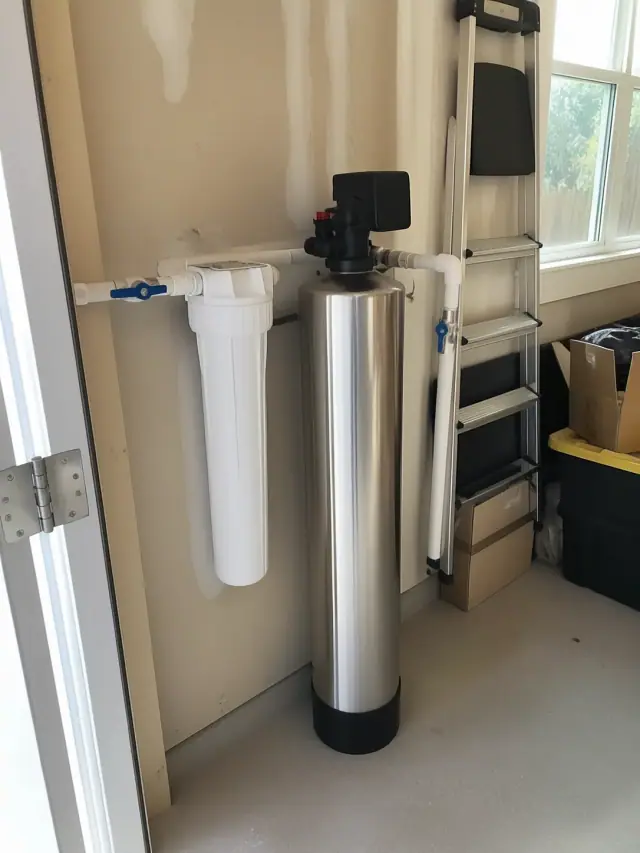
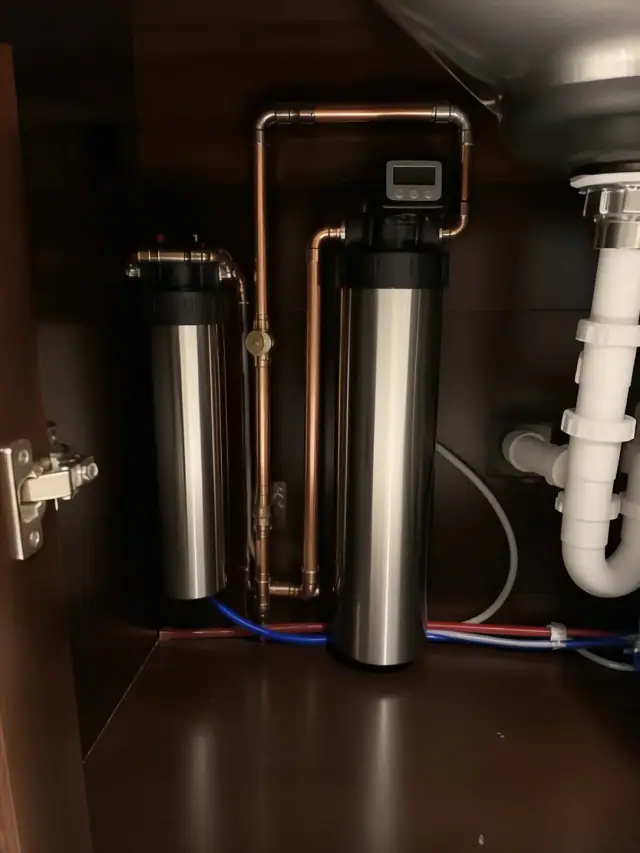
Salt-free water conditioner installation is ideal for homeowners who want scale control without a brine tank, salt bags, or sodium exchange. TAC media converts dissolved hardness minerals into microscopic crystals that remain suspended in the water. The water still contains minerals, but those minerals are less likely to form hard deposits on surfaces.

Request Estimate

Whole-House Scale Prevention Systems

Placeholder image 3

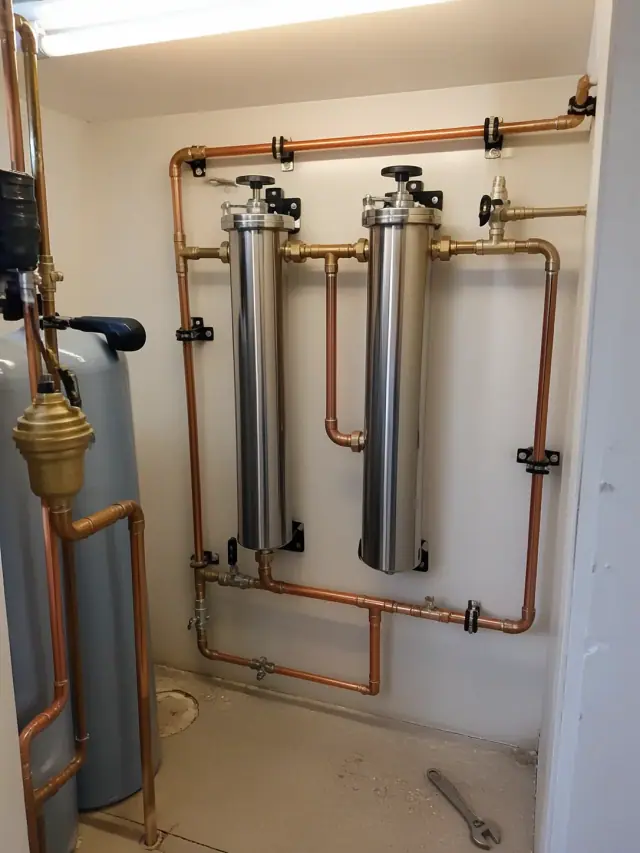
A whole-house scale prevention system protects more than faucets. In Mesa conditions, hard water can affect water heaters, dishwashers, washing machines, coffee makers, ice machines, and irrigation components. Installing the system at the point of entry helps prevent new buildup across the property instead of treating only one tap.

Request Estimate

Sediment & Chloramine Filtration

Placeholder image 4

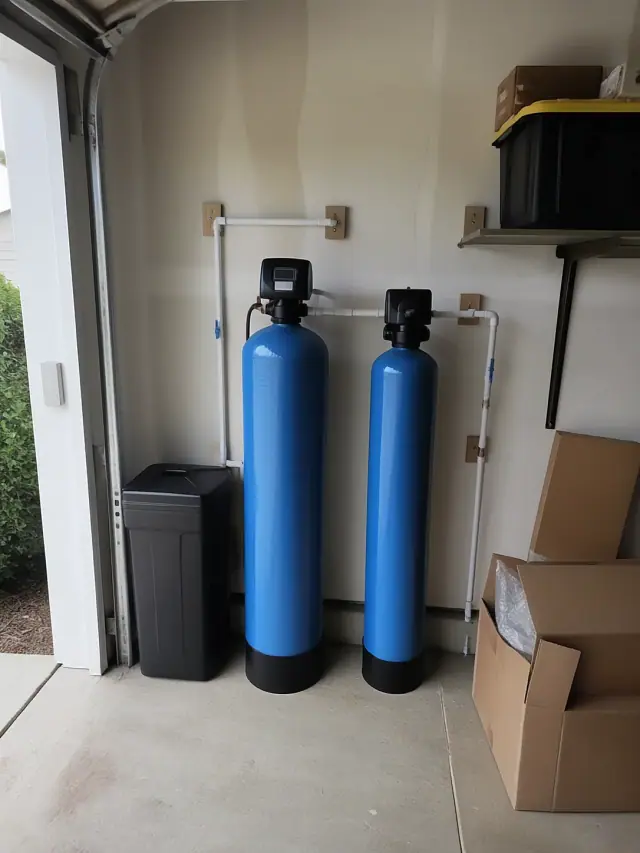
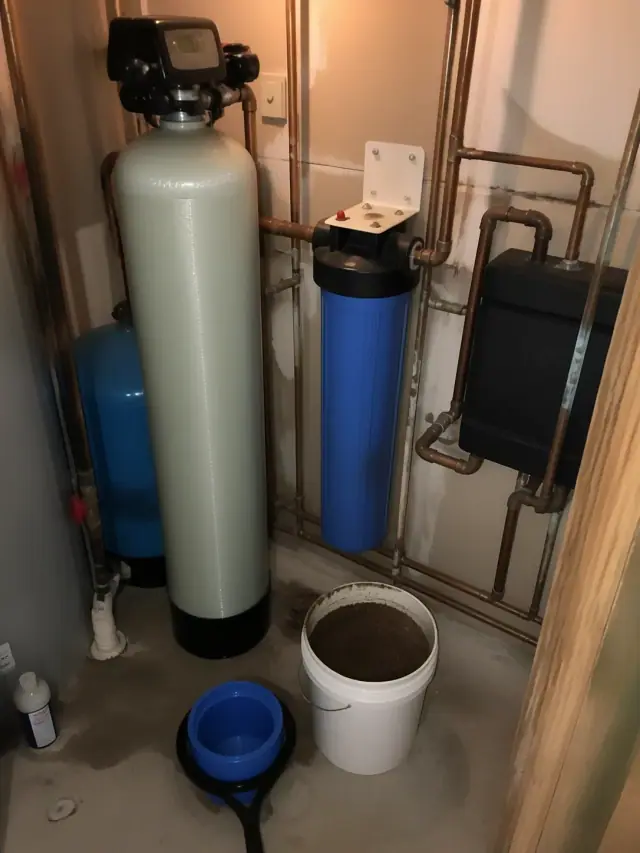
Mesa water may carry sediment, especially when surface-water turbidity increases, and it is treated with chloramines for disinfection. We can add a sediment pre-filter and catalytic carbon stage before the TAC media to protect the conditioner and improve taste and odor. This staged approach gives each media bed the conditions it needs to work properly.

Request Estimate

Reverse Osmosis Integration

Placeholder image 5

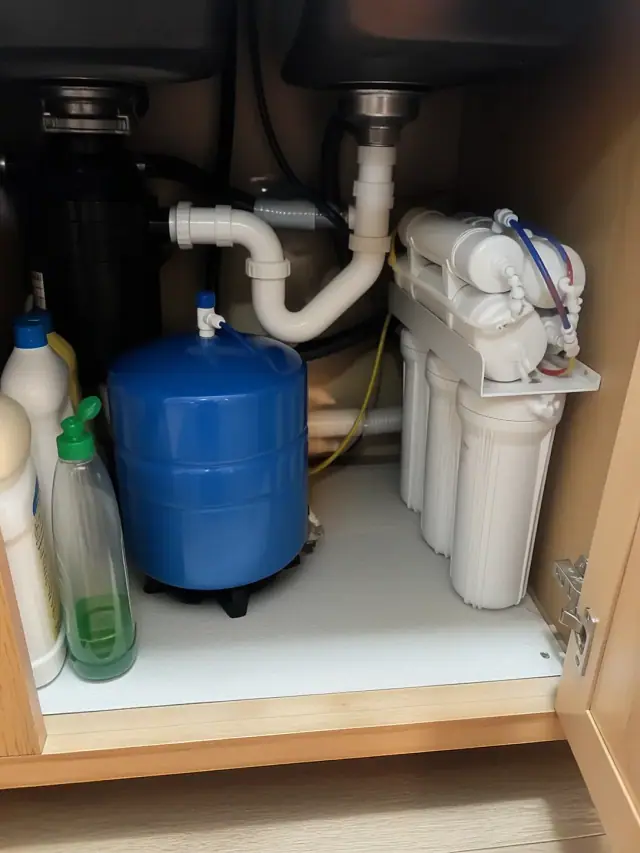
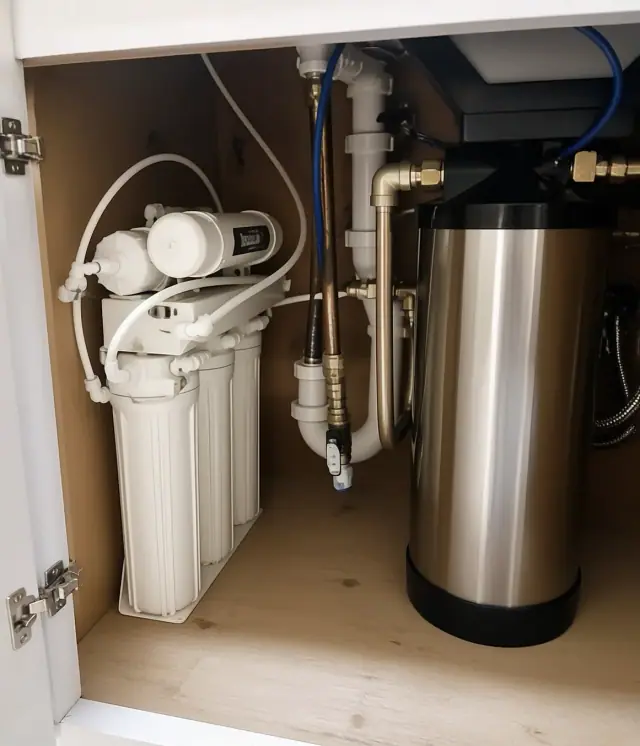
A saltless conditioner is designed for scale prevention, not complete dissolved-solids removal. For kitchen drinking water, we can integrate an under-sink reverse osmosis system that targets TDS, nitrates, residual chloramines, and other dissolved contaminants. Feeding RO from conditioned water can reduce membrane stress and support longer membrane life.

Request Estimate

Maintenance & Media Replacement

Placeholder image 6

Salt-free systems are lower maintenance than salt-based softeners, but they still need periodic care. Sediment cartridges are typically replaced every three to six months depending on local water quality, and TAC media is usually replaced on a five- to seven-year cycle. We remain available for cartridge changes, media checks, pressure-drop troubleshooting, and performance reviews.

Request Estimate
System Options

Types of Salt-Free Water Treatment Systems

Not every Mesa home needs the same configuration. The right system depends on hardness level, chloramine concentration, sediment load, iron test results, peak gallons-per-minute demand, and whether the homeowner also wants drinking-water treatment at the kitchen sink.

Placeholder image 7

Single-Stage TAC Conditioner

A single-stage TAC conditioner is often the right fit when the primary problem is hard-water scale and the water test does not show interfering contaminants. It is sized around household flow rate and media contact time so conditioning remains effective during normal peak demand.

  • Installed at the point of entry for whole-house scale prevention.
  • Uses no salt, brine tank, electricity, or regeneration cycle.
  • Best matched to homes with typical Mesa hardness around 200 to 300 parts per million.
  • Requires correct flow sizing based on bathrooms, fixtures, and peak use.
  • Includes a bypass setup so the system can be serviced without shutting down the home.
Request Assessment
Placeholder image 8

Sediment Pre-Filter + TAC System

A sediment pre-filter protects the conditioning media from particulate loading before water reaches the TAC tank. This configuration is useful for homes that see visible sediment, pressure drop, or seasonal turbidity changes.

  • Uses a 5-micron sediment filter before the conditioner.
  • Helps protect TAC media from dirt, grit, and particulate fouling.
  • Supports steadier flow by reducing sediment load upstream of the system.
  • Helpful during monsoon season when surface-water turbidity can increase.
  • Filter cartridges are usually replaced every three to six months based on actual water quality.
Request Assessment
Placeholder image 9

Catalytic Carbon + TAC System

Catalytic carbon is added when taste, odor, or chloramine reduction matters along with scale control. The carbon stage is placed ahead of the conditioner so disinfectant-related issues are addressed before water moves through the rest of the treatment train.

  • Targets chloramines that can create a chemical taste or odor at the tap.
  • Works better for chloramine reduction than basic granular activated carbon in many applications.
  • Pairs whole-house taste and odor improvement with scale prevention.
  • Requires proper media flushing after installation to clear initial carbon fines.
  • Can be combined with sediment pre-filtration for a more complete point-of-entry setup.
Request Assessment
Placeholder image 10

Iron Pre-Filtration + Conditioner

Some groundwater-influenced areas may require iron-specific treatment before a salt-free conditioner. If testing finds iron above 0.3 mg/L, we specify an upstream oxidizing filter or iron-focused stage so the TAC media is not expected to solve a problem it was not designed to handle.

  • Recommended only when water testing confirms iron is present at a level that needs treatment.
  • Uses upstream filtration to protect the conditioner from fouling.
  • Helps reduce staining and performance problems tied to iron-bearing water.
  • Prevents a standard TAC unit from being oversold as an iron-removal system.
  • Especially relevant in homes drawing more heavily from well-blended supply zones.
Request Assessment
Placeholder image 11

Reverse Osmosis + Whole-House Conditioning

Whole-house conditioning and under-sink reverse osmosis solve different water problems. The conditioner handles scale protection throughout the home, while RO provides kitchen drinking water with substantial dissolved-solids reduction.

  • RO systems can reduce TDS by 95 to 99 percent when properly configured.
  • Targets nitrates, residual chloramines, and dissolved contaminants at the kitchen tap.
  • Uses conditioned feed water to help reduce scale load on the RO membrane.
  • Keeps whole-house scale prevention separate from drinking-water purification.
  • Fits homeowners who want both plumbing protection and cleaner-tasting drinking water.
Request Assessment
Finding Your Right Fit

Choosing the Right Saltless Water Softener System

The best saltless system is the one that matches the water test and the way the property actually uses water. We look at hardness, pH, total dissolved solids, chloramine, iron, sediment, number of bathrooms, peak-demand periods, and available plumbing access before specifying media volume or tank configuration.

Water Testing Before Recommendations

Every project starts with on-site testing for hardness, pH, total dissolved solids, chloramine, iron, and sediment. Those results determine whether a single TAC conditioner is enough or whether sediment, catalytic carbon, iron treatment, or reverse osmosis should be part of the final system.

Mesa Water Chemistry Expertise

Mesa includes newer east-side communities, older neighborhoods near downtown, and homes affected by different blends of surface water and groundwater. We account for local variations instead of assuming the same water profile for Eastmark, Cadence, Dobson Ranch, Las Sendas, and the Red Mountain corridor.

Professional Sizing and Installation

A system that is too small for the home can lose contact time through the media during peak use. We size for actual flow demand, connect to copper, CPVC, or PEX where appropriate, and lay out the installation with shutoff valves, pressure checks, and clear service access.

What Sets Us Apart

Why Choose Us for Saltless Water Softener Installation?

Mesa Water Softeners combines local water testing, practical system design, clean plumbing workmanship, and long-term support after installation. We use transparent upfront pricing, select equipment around performance in Mesa conditions, and specify components with relevant testing or certification such as NSF/ANSI Standard 44 or NSF/ANSI Standard 61 where those standards apply.

Get a Water Assessment

Very Hard Mesa Water

Mesa is one of Arizona's fastest-growing cities, with 504,258 residents recorded at the 2020 census, and its water system serves a wide mix of older and newer homes. Across that service area, hardness commonly exceeds 200 parts per million, which is enough to make scale a daily plumbing and appliance concern.

Water Heater and Appliance Scale

Hard water scale builds faster when water is heated, so water heaters often show the first signs of trouble. Mineral deposits act like insulation on heating elements, forcing the equipment to work harder before it reaches temperature and shortening the useful life of connected appliances.

Chloramine Taste and Odor

Mesa uses chloramines for disinfection, and that chlorine-ammonia compound can leave a chemical taste or odor at the tap. A saltless conditioner does not remove chloramines by itself, so homes with taste concerns often benefit from a catalytic carbon stage ahead of the conditioner.

Sediment and Turbidity Spikes

Sediment is a concern when particulate levels increase, especially during monsoon season when surface-water turbidity can rise. Installing a sediment pre-filter upstream of the TAC media helps maintain flow and reduces the chance that grit will load the media bed.

Iron and Media Fouling

A standard TAC conditioner is not an iron-removal system. If testing shows iron above 0.3 mg/L, an oxidizing filter or iron-specific stage should be installed upstream so the conditioner can focus on scale prevention without being fouled by iron.

Fixture Spots and Rough Laundry

Scale-coated faucets, dull glassware, rough laundry, and mineral film around fixtures are common symptoms of hard Mesa water. Salt-free conditioning helps prevent new deposits by keeping hardness minerals suspended rather than allowing them to bond to surfaces.

How it works

Our Saltless Water Softener Process

Our installation process is built around testing, proper sizing, clean plumbing, and verification after the system is online. That keeps the recommendation practical, the install serviceable, and the finished system matched to the water it will treat.

01.

On-Site Water Testing

We test the water for hardness in grains per gallon, pH, total dissolved solids, chlorine or chloramine levels, iron concentration, and sediment. The test tells us whether the home needs only TAC conditioning or a multi-stage plan.

02.

System Sizing and Treatment Design

We calculate the required flow rate in gallons per minute based on household size, bathroom count, peak use, and the tested hardness level. If the home has higher demand, we may recommend a larger media tank or a dual-tank configuration.

03.

Point-of-Entry Installation

The system is installed on the main service line after the water meter and before the first branch, usually at the garage or utility-room water treatment loop. This placement conditions water before it reaches the rest of the home.

04.

Bypass Valves and Clean Connections

We connect to the existing pipe material, such as copper, CPVC, or PEX, with organized plumbing and accessible valves. A dedicated bypass assembly lets the system be serviced or isolated without interrupting water to the entire property.

05.

Flush, Pressure Test, and Verify

After installation, we pressurize the system, check every connection for leaks, verify flow through the treatment media, and perform a downstream hardness check. Carbon systems are flushed to clear initial carbon fines before normal use.

06.

Maintenance Walkthrough and Support

Before we leave, we show you the bypass valve, explain cartridge replacement, and review what to watch for over time. Mesa Water Softeners stays available for filter changes, media performance checks, and troubleshooting if water conditions change.

Get Better Water

Schedule a Salt-Free
Water Treatment
Consultation

Ready to reduce scale without salt or brine discharge? Request a water assessment and we will test your Mesa water, review your plumbing, and recommend a system sized for your home or business.

Service Help

Saltless Water Softener FAQs

Have questions about salt-free conditioning, installation, maintenance, or Mesa water conditions? These answers cover the most common decision points before scheduling a water assessment.

Call Our Experts

Salt-free water softener units range from roughly $350 to $2,300 depending on capacity, brand, and media type. Complete residential point-of-entry installation typically ranges from $800 to $4,000 when the unit, pre-filtration, plumbing fittings, bypass valve assembly, and labor are included. Your final cost depends on whether the home is already pre-plumbed for a water treatment loop and how many treatment stages are needed.

The main advantages are no salt purchases, no brine discharge, no electricity for regeneration, and no sodium added to the water. Salt-free conditioners can exceed 20 years of service life with proper maintenance, while many salt-based softeners are closer to a 10- to 15-year service range. The tradeoff is that saltless systems condition water for scale prevention rather than removing calcium and magnesium, so the water will not feel like sodium-softened water.

A traditional water softener uses ion exchange to remove calcium and magnesium and replace them with sodium ions. A salt-free water conditioner uses TAC media to transform hardness minerals into a crystalline form that is less likely to stick to surfaces. For scale protection, a conditioner can be effective; for complete mineral removal or the soft feel of sodium-treated water, ion exchange is the more direct method.

Water treatment installations that connect to the main plumbing line must meet Arizona residential plumbing code requirements. A standard connection at an existing treatment loop does not typically require a separate mechanical permit, but the work still needs proper pipe sizing, materials, and backflow prevention where required. If new plumbing work is needed beyond a simple loop connection, permit requirements should be identified before installation.

A standard residential installation at an existing water treatment loop usually takes two to four hours. That includes connecting the system, installing pre-filtration when needed, setting the bypass valve, pressure-testing the work, and performing a post-installation performance check. Homes without a pre-plumbed loop can take longer because the connection point has to be created.

Yes, for scale prevention when the system is correctly sized. Mesa hardness commonly falls around 200 to 300 parts per million, and TAC systems can be specified for that range with proper flow and contact time. At extremely high hardness levels above 400 parts per million, a larger, dual-stage, or higher-capacity configuration may be needed.

The sediment pre-filter should be inspected about every three months and typically replaced every three to six months depending on water quality and usage. TAC conditioning media usually has a five- to seven-year service cycle before media replacement is needed. There is no salt to add, no brine tank to clean, and no regeneration cycle to monitor.

No. A saltless system changes how calcium and magnesium behave so they are less likely to form scale, but it does not remove those minerals from the water. That is why water tests can still show hardness after conditioning even though new scale formation is reduced.

If taste or odor is a concern, catalytic carbon filtration is often a good addition because a TAC conditioner is not designed to remove chloramines. The carbon stage is typically installed before the scale prevention media. This gives the home both chloramine reduction and whole-house scale control in one treatment sequence.

Iron treatment is needed when testing shows iron at a level that can foul the conditioner or cause staining. The source guideline we use is iron above 0.3 mg/L, which calls for an oxidizing filter or iron-specific stage upstream of the TAC media. Testing matters because not every Mesa home has the same iron profile.

A whole-house conditioner is installed on the main service line after the water meter and before the first branch to the home. In many Mesa houses, that connection is in the garage or utility area where a water treatment loop is already available. The installation should include accessible shutoff valves and a bypass for service.

Yes. The saltless conditioner protects plumbing and appliances from scale, while an under-sink reverse osmosis system treats drinking water at the kitchen tap. RO systems can provide 95 to 99 percent TDS reduction, and feeding them with conditioned water can help reduce scale stress on the membrane.

A system can still often be installed, but the project may require additional plumbing to create the correct point-of-entry connection. This is more common in some older Mesa neighborhoods. The plumbing layout is reviewed during the assessment so the estimate reflects the actual access, material, and labor required.