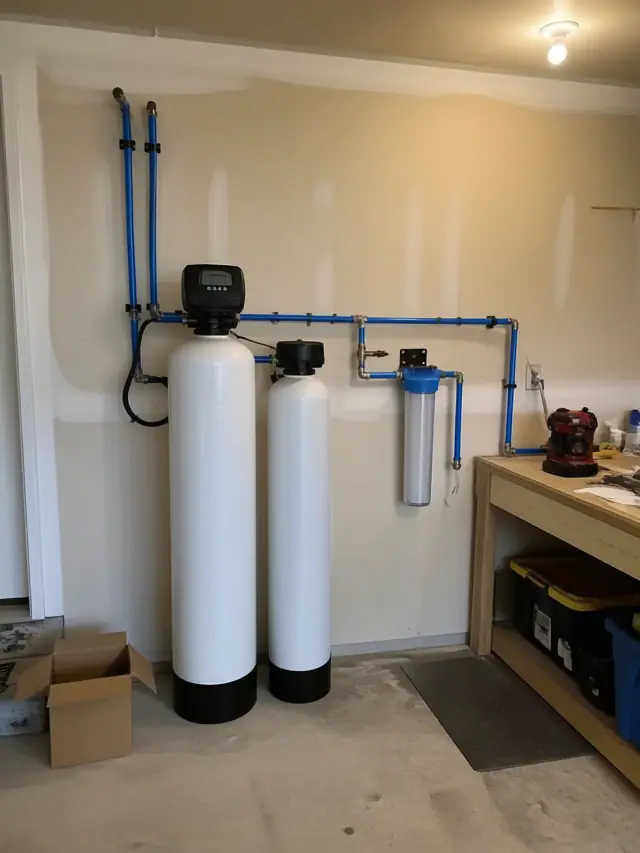
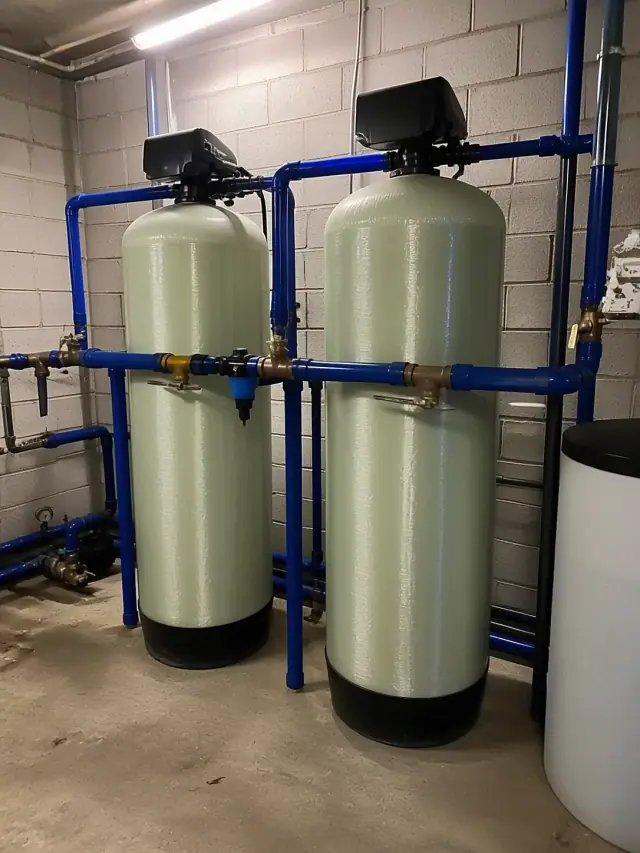
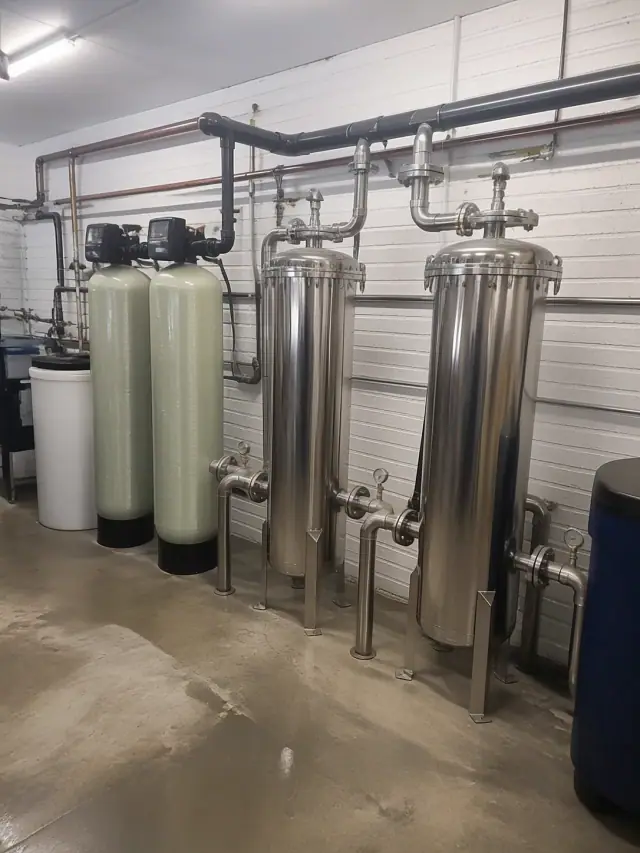
Proudly serving Mesa, Tempe & surrounding areasCall or Text 24/7: 602-905-5577

Water Softener Repair in Mesa, AZ

Mesa Water Softeners provides water softener repair in Mesa, AZ, for homes and businesses dealing with scale, spotty dishes, rough laundry, and hard-water damage. Our service covers ion exchange systems, salt-free conditioning alternatives, control valve rebuilds, resin bed replacement, brine tank service, and reverse osmosis integration. Every visit starts with custom water testing so we can compare incoming hardness with treated-water performance before opening a panel. From established Mesa neighborhoods to East Valley properties, we focus on practical repairs that restore soft-water protection without guesswork.

Mesa's Salt River and Colorado River supply carries dissolved calcium and magnesium at levels that regularly exceed 200 parts per million, above the 120 ppm threshold water treatment professionals classify as very hard. When a softener fails, the signs can show up quickly as scale on fixtures, residue in dishwashers, stiff laundry, and extra stress on water heaters. Our technicians test hardness, chlorine, iron, manganese, and sediment so the repair matches the actual failure point. You get clear, upfront pricing before work begins, including an honest comparison when replacement is the better financial decision.

Call for troubleshooting, repair, maintenance, or installation guidance when your system stops regenerating, forms a salt bridge, leaks from the brine tank, or leaves treated water above 1 grain per gallon. Same-day and 24/7 emergency service are available for leaks, shutdowns, overflowed brine tanks, and drain failures that cannot wait.

Mesa Water Softeners provides water softener repair throughout Mesa and the greater Phoenix metro area, including Tempe, Phoenix, Scottsdale, Chandler, Gilbert, Glendale, Peoria, Goodyear, Avondale, Surprise, Queen Creek, Apache Junction, Paradise Valley, Fountain Hills, Cave Creek, Laveen, Ahwatukee, Guadalupe, and more.

★ ★ ★ ★ ★4.9/5 Average Rating · 20+ Years of Experience · thousands of Customers Helped · Licensed & Insured · Residential & Commercial

Water Softener Repair Benefits

What Is Water Softener Repair?

Water softener repair is the process of testing the water, diagnosing the softening system, and restoring the parts that allow resin, brine, valve timing, and discharge stages to work together. In Mesa, that usually means checking for hardness breakthrough, regeneration problems, fouled resin, brine draw failure, and bypass leaks inside the control valve.

A proper repair does not start by replacing parts. It starts with incoming and treated-water testing for hardness, iron, manganese, chlorine, and sediment, then continues with a mechanical inspection of the control valve, brine tank, resin tank, bypass, drain line, and injector.

Once the cause is clear, the technician can recommend a targeted component repair, resin replacement, maintenance cleaning, drain correction, or a new system when the existing equipment is no longer the best investment. That approach keeps the focus on restoring soft water, protecting downstream plumbing, and avoiding unnecessary work.

Benefits of Professional Water Softener Repair

A working softener protects more than the feel of your water. Early repair can limit calcium carbonate scale in plumbing and appliances, and it can prevent a failing system from wasting salt and water through regeneration cycles that no longer produce soft water. In the Phoenix metro area, a new water heater installation often runs $800 to $1,500 or more, so restoring softener performance before scale damage compounds can be the more practical move.

  • Restore treated water toward the 0 to 1 grain-per-gallon range expected from a properly functioning softener.
  • Reduce new scale buildup on faucets, showerheads, glass, dishwasher interiors, and water heater surfaces.
  • Stop failed regeneration cycles from using salt and water without delivering real soft-water protection.
  • Identify whether the problem is mechanical, resin-related, brine-related, or caused by drain-line discharge issues.
  • Protect downstream reverse osmosis membranes and other treatment stages from unnecessary hardness exposure.
  • Catch worn control valve seals, cracked pistons, float failures, and plugged injectors before they create larger leaks.
  • Receive transparent line-item pricing before repair work begins, with no hidden charges added after the diagnosis.
  • Support longer system life through maintenance; well-maintained residential units often last 10 to 15 years, and some reach 20 years.
Water Softener Repair

Water Softener Repair Services

Mesa Water Softeners repairs the parts and system conditions that keep residential, commercial, and high-volume softening equipment from producing reliable soft water. Our work includes diagnostics, control valve service, resin bed replacement, brine tank cleaning, regeneration troubleshooting, drain verification, and complete water treatment integration when a softener works alongside reverse osmosis, carbon filtration, or other treatment stages.

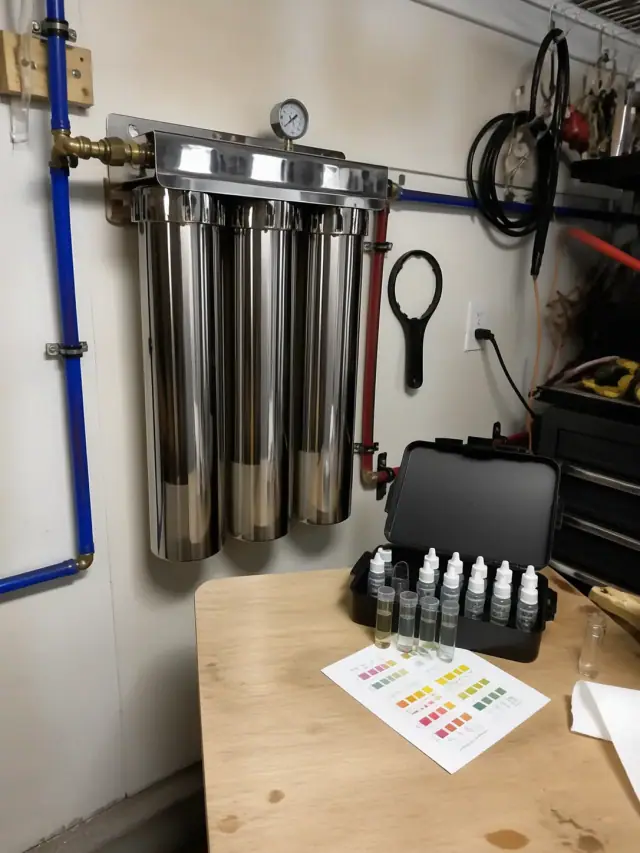
Water Testing and Diagnosis

Placeholder image 1

We measure incoming hardness, treated-water hardness, iron, manganese, chlorine, and sediment before deciding what to repair. Testing separates true mechanical failures from resin exhaustion, salt problems, or local water chemistry that is overloading the system.

Request Estimate

Control Valve Repair

Placeholder image 2

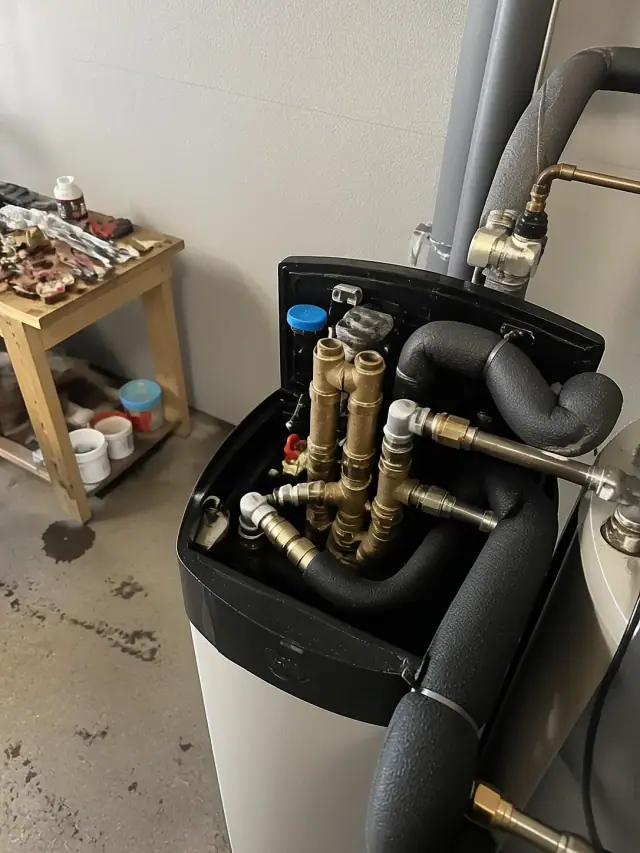
The control valve directs every service and regeneration stage, so worn seals, cracked pistons, bad spacers, faulty timers, and bypass leaks can leave hard water moving around the resin tank. We inspect valve assemblies and rebuild or replace failed parts when that will restore reliable cycle control.

Request Estimate

Resin Bed Replacement

Placeholder image 3

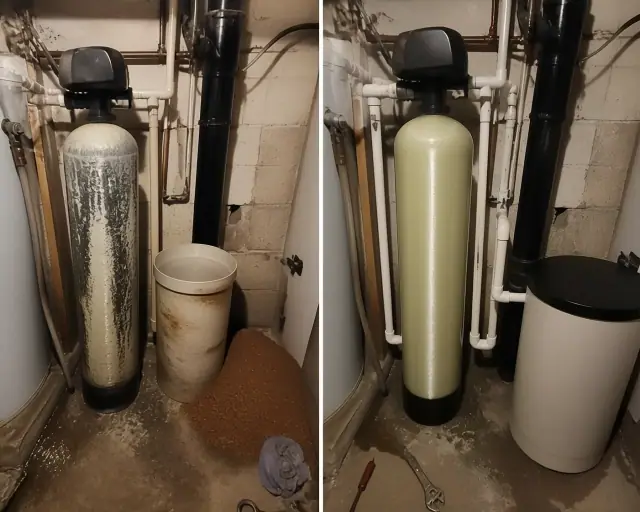
Ion exchange resin beads remove calcium and magnesium by trading sodium ions during service, then recharge when brine is drawn through the tank. Mesa's chlorine load and heavy mineral demand can degrade or exhaust resin over time, and replacement can restore softening capacity for several more years when the rest of the system is sound.

Request Estimate

Brine Tank Service

Placeholder image 4

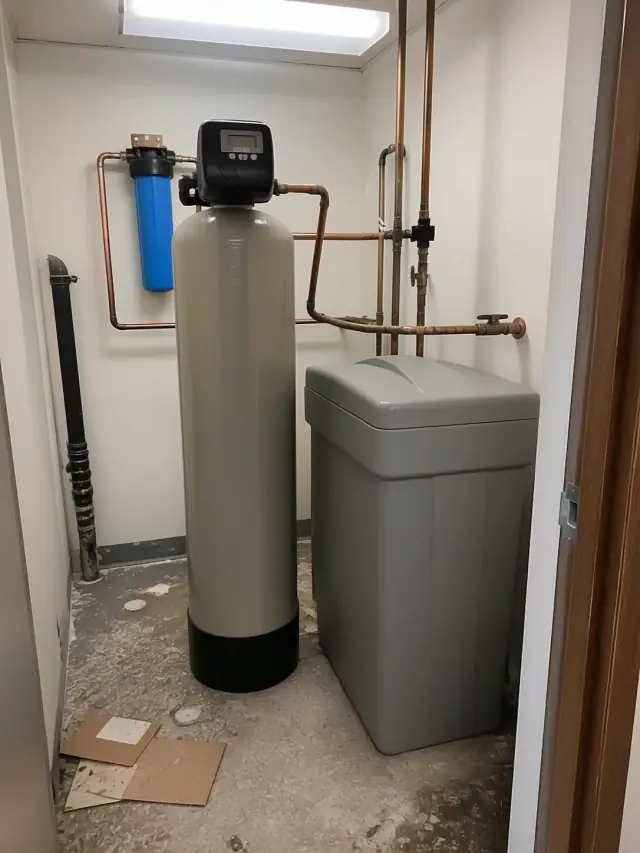
The brine tank must create and deliver the right salt solution for regeneration. We clean salt mushing, break up salt bridges, replace float valves and safety float assemblies, clear brine lines and injectors, and restore proper brine concentration levels to manufacturer specifications, typically around 26% saturated sodium chloride for residential systems.

Request Estimate

Regeneration and Drain Line Repair

Placeholder image 5

A softener must complete backwash, brine draw, slow rinse, fast rinse, and return-to-service stages in the right order. We observe manual regeneration, check timing and flow, and verify drain-line diameter, routing, and air gap compliance when discharge problems are affecting performance.

Request Estimate

Reverse Osmosis Integration

Placeholder image 6

A water softener can protect a reverse osmosis system by reducing hardness before water reaches the membrane. We evaluate softener and RO performance together, especially when untreated hard water is shortening membrane life, reducing output quality, or driving up replacement costs.

Request Estimate
Water Softener Solution Types

Types of Water Softener Systems

Different softening and conditioning systems solve different water problems. Mesa Water Softeners uses water testing, household demand, peak flow, system age, and downstream equipment needs to determine whether the right path is repair, resin replacement, a conventional ion exchange system, a salt-free alternative, whole-house treatment, commercial service, or industrial pretreatment support.

Placeholder image 7

Ion Exchange Water Softeners

Ion exchange systems are the standard choice when you need measurable hardness reduction. They use resin and brine regeneration to remove calcium and magnesium from Mesa's very hard water before it reaches fixtures, appliances, and downstream treatment equipment.

  • Removes hardness minerals by exchanging sodium ions for calcium and magnesium.
  • Uses a salt tank and controlled regeneration cycle to recharge the resin bed.
  • Targets the 0 to 1 GPG treated-water range expected from a properly functioning softener.
  • Can be sized around daily water use, peak flow, incoming hardness, and household size.
  • Helps protect water heaters, fixtures, dishwashers, laundry, and reverse osmosis membranes.
Request Ion Exchange Estimate
Placeholder image 8

Salt-Free Conditioning Alternatives

Salt-free systems can be useful for some scale-control goals, but they do not remove calcium and magnesium the way ion exchange softeners do. In Mesa's extremely hard water, we explain the difference clearly so you know whether conditioning is enough or true softening is needed.

  • Uses non-salt conditioning methods such as template-assisted crystallization concepts.
  • Aims to reduce how readily minerals attach to surfaces and form visible scale.
  • Does not deliver the same measurable hardness reduction as ion exchange softening.
  • May not provide the same protection for water heaters, resin beds, and RO membranes.
  • Should be evaluated after testing hardness, chlorine, iron, manganese, and usage needs.
Compare Salt-Free Options
Placeholder image 9

Whole-House Water Treatment Systems

Whole-house systems protect every tap and appliance instead of treating only one fixture. For Mesa homes, that may mean pairing a softener with carbon filtration, reverse osmosis drinking water, a proper bypass assembly, and a compliant drain setup.

  • Treats water before it reaches showers, faucets, laundry, dishwashers, and water heaters.
  • Can include carbon filtration to reduce chlorine exposure before water reaches the resin bed.
  • Uses bypass valves so the system can be isolated for service without stopping household water.
  • Requires drain routing, air gap placement, and service clearance that support maintenance access.
  • Can feed an RO drinking-water system with softened water to improve membrane performance.
Plan Whole-House Treatment
Placeholder image 10

Commercial and Multi-Unit Softeners

Apartments, restaurants, car washes, and office buildings in Mesa face the same hard-water chemistry as homes, but with higher flow rates and less tolerance for downtime. Commercial repairs focus on capacity, resin condition, valve function, and cycle reliability.

  • Supports multi-unit properties, restaurants, car washes, office buildings, and other high-use sites.
  • Evaluates higher grain-capacity systems that process more water than residential equipment.
  • Checks automatic valve assemblies used on multi-tank commercial configurations.
  • Assesses resin exhaustion more frequently because commercial systems process higher volume.
  • Prioritizes accurate diagnosis and transparent pricing before downtime-sensitive repairs begin.
Request Commercial Service
Placeholder image 11

High-Volume Industrial Pretreatment

Industrial water treatment in the East Valley can include softening for food processing, cooling tower makeup water, medical facility systems, and other applications that depend on consistent water quality. We look at the full treatment train rather than the softener alone.

  • Evaluates softeners that work ahead of reverse osmosis, deionization, and carbon filtration stages.
  • Helps identify when an undersized softener is shortening RO membrane life or raising operating costs.
  • Reviews resin performance in high-volume applications with documented water quality needs.
  • Considers each stage of the treatment train so one weak link does not reduce system performance.
  • Supports East Valley industrial sites that require consistent softening under heavier demand.
Discuss Industrial Pretreatment
Finding Your Right Fit

Choosing the Right Water Softener System

The right repair or replacement decision depends on tested hardness, daily water use, peak flow, system age, resin condition, and whether other treatment stages are connected. A typical Mesa household of four may need a 32,000 to 40,000 grain system when sizing is based on local hardness and household demand, and installation of a 32,000-grain system in Mesa is listed at $949 to $1,273 for the installation component alone. Testing first prevents undersizing that wastes salt and water or oversizing that waits too long between regeneration cycles.

Water Testing Before Repairs

We test before we repair because the same symptom can come from several different causes. Hardness breakthrough may point to low salt dosage, fouled resin, iron, chlorine damage, or an incomplete brine draw stage, and water data keeps the recommendation grounded.

Local Mesa Water Knowledge

Mesa is a Maricopa County city of 504,258 residents served by water influenced by Salt River and Colorado River sources, Granite Reef Diversion Dam infrastructure, blended groundwater, and the geology near the Superstition Mountains. That local context matters because hardness, chlorine, and seasonal source blends affect resin life and repair decisions.

Transparent Repair Recommendations

You get a direct explanation of what failed, what it costs, and when replacement makes more sense. If a component repair in the $150 to $350 range can restore reliable service, we say so; if an older system needs resin and valve work that approaches replacement value, we explain that too.

What Sets Us Apart

Why Choose Us for Water Softener Repair?

Mesa Water Softeners combines local water knowledge with practical repair judgment. We test the water, inspect the system, run the regeneration stages, explain line-item pricing, and keep the recommendation focused on the repair that actually fits your system. For critical failures such as overflow, active leaks, shutoffs, or drain problems, 24/7 and same-day service options help limit downstream hard-water damage.

Request Assessment

Hardness Breakthrough

Hardness breakthrough means treated water is no longer staying soft, often rising above 1 grain per gallon at the tap. In Mesa homes, that can show up as scale on showerheads, faucet deposits, spotty glass, stiff laundry, and dry-feeling skin even while the softener appears to be running.

Salt Bridges and Salt Mushing

A salt bridge forms when a hard crust creates an air gap above the water in the brine tank, while salt mushing creates a dense slurry at the bottom. In both cases, the softener may cycle normally without making enough brine to recharge the resin.

Resin Fouling or Exhaustion

Resin beads can lose capacity after years of heavy use or exposure to chlorine, iron, and high mineral loads. Mesa water can approach iron levels where resin cleaner becomes useful, and fouling in the 0.3 to 1.0 ppm range can noticeably reduce exchange capacity over time.

Brine Tank Overfills and Leaks

A failed float valve, cracked brine well, plugged injector, or blocked brine line can leave too much water in the salt tank or create a garage-floor overflow. We inspect the tank, pickup tube, safety float, and brine concentration instead of only removing excess water.

Control Valve Bypass or Seal Failure

The control valve contains seals, pistons, spacers, and timing components that direct water through service and regeneration. Systems installed in hot garages face accelerated seal wear, especially when summer temperatures regularly exceed 110°F and garage temperatures can exceed 130°F.

Drain Line and Discharge Problems

During regeneration, the drain line carries brine and backwash water away from the softener. Kinks, mineral clogs, inadequate flow, or improper air gap setup can prevent full backwash and leave the resin bed poorly rinsed.

How It Works

Our Water Softener Repair Process

Our process is built to avoid guesswork. We test the water, inspect the equipment, run the softener through regeneration, identify the failed stage or component, explain repair and replacement options, then verify treated-water performance before we leave.

01.

Test Incoming and Treated Water

We measure incoming hardness and treated-water output, then check for iron, manganese, chlorine, and sediment that can change the repair path. A properly functioning softener should deliver treated water around 0 to 1 GPG.

02.

Inspect Valves, Resin, and Brine Components

We inspect the control valve, seals, pistons, spacers, bypass, brine tank float assembly, brine line, injector, resin tank, and distributor tube. This shows whether the failure is mechanical, media-related, or tied to brine delivery.

03.

Run a Manual Regeneration Cycle

We observe backwash, brine draw, slow rinse, fast rinse, and return to service. A missed stage, weak flow, or unusual timing window points directly to the part of the system that needs correction.

04.

Explain Repair or Replacement Options

After testing and inspection, we explain the recommended fix with transparent pricing before work starts. Repairs may include a component replacement, resin bed service, brine tank cleaning, or a replacement recommendation when an aging system is no longer economical.

05.

Complete the Repair Cleanly

We complete approved work with organized plumbing, secure connections, and careful cleanup. Common repairs include control valve parts, brine float valves, drain injectors, resin media, bypass components, and tank cleaning.

06.

Verify Performance and Maintenance Settings

Before finishing, we confirm soft-water output, regeneration settings, salt dosage, drain discharge, and bypass operation. We also explain salt checks, resin cleaning, or annual service items that can help prevent repeat failures.

Get Soft Water Back

Schedule a Water Softener
Repair
Consultation

Tell us what your softener is doing, what symptoms you are seeing, and whether there is an active leak, overflow, shutdown, or hardness breakthrough. Mesa Water Softeners can test your water, inspect the equipment, explain the repair options, and help you decide the next practical step for your home or business.

Service Help

Water Softener Repair FAQs

These answers cover common Mesa water softener repair questions about cost, lifespan, salt problems, resin replacement, troubleshooting, maintenance, service areas, and when replacement may make more sense than another repair.

Call Our Repair Experts

Repair costs depend on what failed and which parts are required. Diagnostic service calls typically run $75 to $150, component repairs such as a control valve piston, brine float valve, or injector usually fall between $150 and $350, and resin bed replacement typically runs $300 to $500 depending on tank size. Mesa Water Softeners quotes the repair upfront before work begins.

A well-maintained residential ion exchange softener typically lasts 10 to 15 years, and some systems reach 20 years with consistent maintenance. Mesa's hard water, municipal disinfectants, and hot garage installations can shorten that lifespan by stressing resin and seals. Monthly salt checks and annual service are the most important habits for reaching the upper end of the range.

The most common failures are resin fouling or exhaustion, salt bridges in the brine tank, and worn control valve seals that cause bypass or incomplete regeneration. Iron in the 0.3 to 1.0 ppm range can coat resin beads over time, while garage humidity swings can contribute to salt bridging. Systems that have run 7 or more years without a seal kit replacement are also more likely to develop valve-related problems.

Some basic maintenance, such as checking salt level, breaking up a light salt bridge, or cleaning an accessible injector, may be manageable for a mechanically inclined homeowner. Repairs that involve opening the mineral tank or disassembling the control valve are different because resin bed replacement can involve 30 to 50 pounds of media and small o-rings that must be reassembled in the right order. For those repairs, Mesa Water Softeners recommends using a licensed technician.

If the system is under 10 years old and needs a single repair under $300, repair is usually the practical choice. If the unit is 12 to 15 years old, the resin is exhausted, and the control valve also needs service, combined repairs may approach $600 to $800. In that situation, a new high-efficiency demand-initiated system starting around $1,100 to $1,400 may provide better long-term value.

Salt-free systems do not remove calcium and magnesium the way ion exchange water softeners do. They typically try to alter mineral behavior so scale is less likely to stick to surfaces, but they do not produce the same measurable hardness reduction. In Mesa's very hard water, we explain the difference so you can decide whether scale control is enough or whether true softening is needed.

The most reliable check is a hardness test on treated water at a tap. A properly functioning softener should deliver about 0 to 1 GPG, even when incoming water is much harder. Easier soap lather, fewer white deposits, and less dishwasher spotting are helpful clues, but a test confirms whether hardness breakthrough is happening.

Yes. Mesa Water Softeners serves residential and commercial customers across the East Valley, including Tempe, Gilbert, Chandler, and communities bordering Apache Junction. Same-day and 24/7 emergency repair service is available across this service area for critical failures such as leaks, overflows, shutdowns, and drain problems.

A salt bridge forms when a hard crust develops in the upper portion of the brine tank, leaving an air gap between the salt and the water below. The system may keep cycling, but the brine solution is not being made correctly, so the resin does not regenerate. Humidity changes, the wrong salt type, or keeping too much salt in the tank can all contribute.

Too much water in the brine tank can point to a failed float valve, cracked brine well, plugged injector, blocked brine line, or a drain restriction. The right fix depends on whether the tank is failing to draw brine, overfilling after regeneration, or leaking through a damaged part. We inspect the brine system and drain path together before recommending a repair.

A diagnostic visit starts with water testing, then moves to a mechanical inspection of the control valve, brine tank, resin tank, bypass valve, brine line, injector, and drain. The technician may run a manual regeneration cycle to observe backwash, brine draw, slow rinse, fast rinse, and return to service. The result is a specific repair recommendation instead of a guess.

Salt should be checked monthly and kept roughly one-third to one-half full rather than packed to the top. Many Mesa households replenish salt every four to six weeks depending on household size and system capacity. Annual service, periodic resin cleaner when iron is present, and brine tank cleaning every two to three years help prevent bigger repairs.

Yes. A softener can reduce hardness before water reaches a reverse osmosis membrane, which can improve membrane life and output quality. When a softener and RO system work together, the softener needs to be sized and maintained correctly so it does not become the weak link in the treatment train.