Proudly serving Mesa, Tempe & surrounding areasCall or Text 24/7: 602-905-5577

Whole House Filtration Installation in Mesa, Arizona

Mesa Water Softeners installs whole house filtration systems in Mesa, Arizona for homeowners who want better water at every tap. We build point-of-entry solutions that can combine sediment filtration, catalytic carbon for chlorine and chloramine reduction, water softening resin for hardness, and reverse osmosis integration for drinking water. Every project starts with water testing so the equipment fits your actual hardness, total dissolved solids, disinfectant level, and sediment load. From Dobson Ranch to Red Mountain and Eastmark, our goal is clean, correctly sized treatment that protects fixtures, appliances, showers, and the kitchen.

Mesa water is legally treated, but local conditions still create everyday problems inside the home. The City of Mesa draws from Salt River and Colorado River systems, and hardness levels in the Phoenix metro area regularly exceed 300 parts per million. Chlorine and chloramines can leave taste, odor, and shower-water complaints, while sediment may increase during East Valley monsoon season from July through September. We diagnose those issues first, size the system to your household flow demand, install clean bypass plumbing, and verify performance before the job is complete.

Need a straightforward recommendation instead of a generic water filter package? Request an estimate and we will explain the filtration stages, maintenance schedule, and expected cost range before installation begins.

Mesa Water Softeners provides whole house filtration installation throughout Mesa and the greater Phoenix metro area, including Tempe, Phoenix, Scottsdale, Chandler, Gilbert, Glendale, Peoria, Goodyear, Avondale, Surprise, Queen Creek, Apache Junction, Paradise Valley, Fountain Hills, Cave Creek, Laveen, Ahwatukee, Guadalupe, and more.

★ ★ ★ ★ ★4.9/5 Average Rating · 20+ Years of Experience · thousands of Customers Helped · Licensed & Insured · Residential & Commercial

Whole House Filtration Systems & Benefits

What Is a Whole House Water Filtration System?

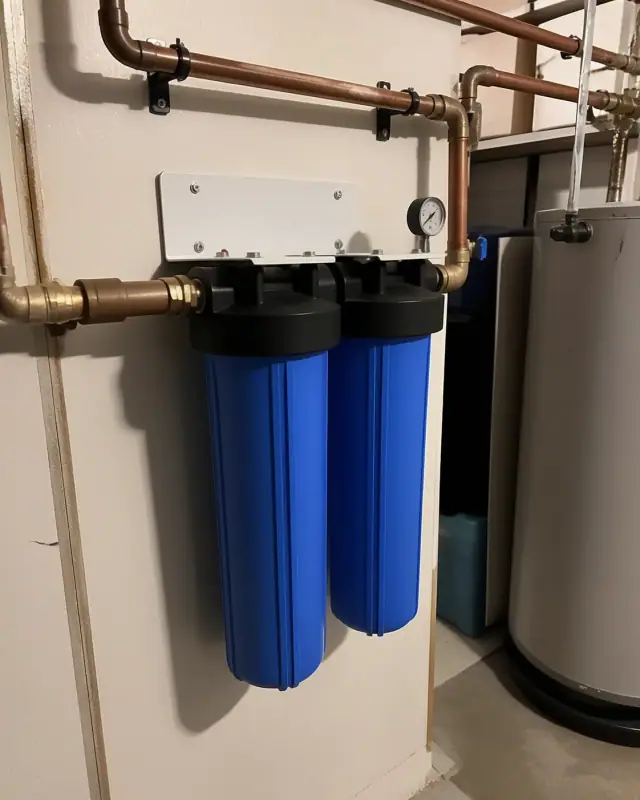
A whole house water filtration system is a point-of-entry treatment system installed at the main water line where it enters the home. Instead of treating one faucet, it sends filtered water to showers, dishwashers, washing machines, water heaters, ice makers, and every tap in the building.

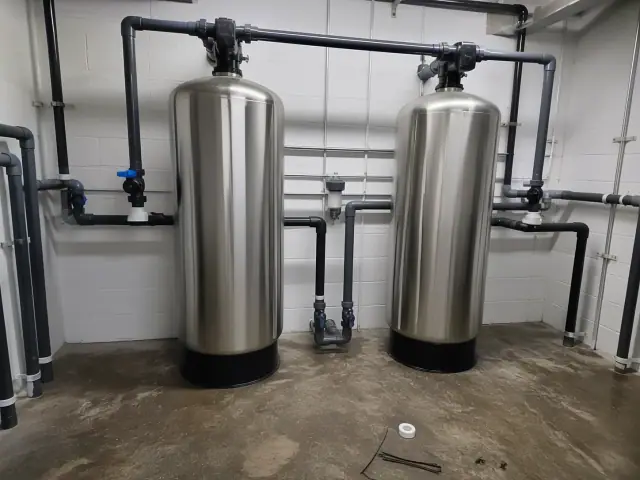
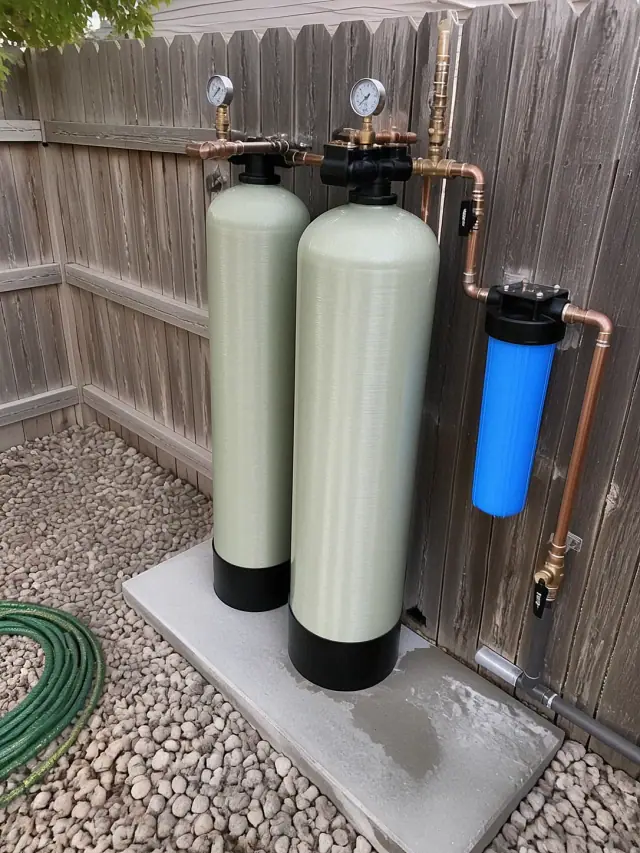
Most systems include one or more filter housings, a media tank or cartridge assembly, a bypass valve, and pressure gauges to monitor flow. Depending on the water test, the setup may include sediment filtration, activated or catalytic carbon, water softening resin, and media for iron or manganese reduction.

Point-of-entry filtration gives Mesa homeowners uniform protection instead of filtering drinking water while leaving shower and appliance water untreated. That matters in a city where municipal water meets Safe Drinking Water Act standards, yet still carries the chlorine, chloramines, dissolved minerals, and sediment that affect everyday use.

Benefits of Whole House Filtration

The right whole house filtration system improves water quality throughout the home, not just at one drinking-water faucet. For Mesa homes, the biggest benefits usually come from combining chemical reduction, sediment control, and hardness treatment in the correct sequence.

  • Better taste and odor from every tap with activated or catalytic carbon filtration
  • Reduced chlorine and chloramine exposure in showers, steam, and everyday household water
  • Sediment protection for faucets, ice makers, washing machines, dishwashers, and water heaters
  • Scale control when filtration is paired with an ion-exchange water softener
  • Less stress on water heaters and tankless heat exchangers affected by mineral buildup
  • Fewer bottled-water purchases when whole house treatment is paired with reverse osmosis drinking water
  • More consistent performance when the system is sized for peak household flow demand
  • Layered treatment options for sediment, chemicals, hardness, iron, and high-purity drinking water
Water Filtration Services

Whole House Filtration Services

Mesa Water Softeners installs residential water filtration systems built around local water conditions and your test results. Each service below addresses a specific part of the treatment stack, from sediment and disinfectant reduction to softening, reverse osmosis, and long-term system support.

Sediment Filtration for Clear Water

Placeholder image 1

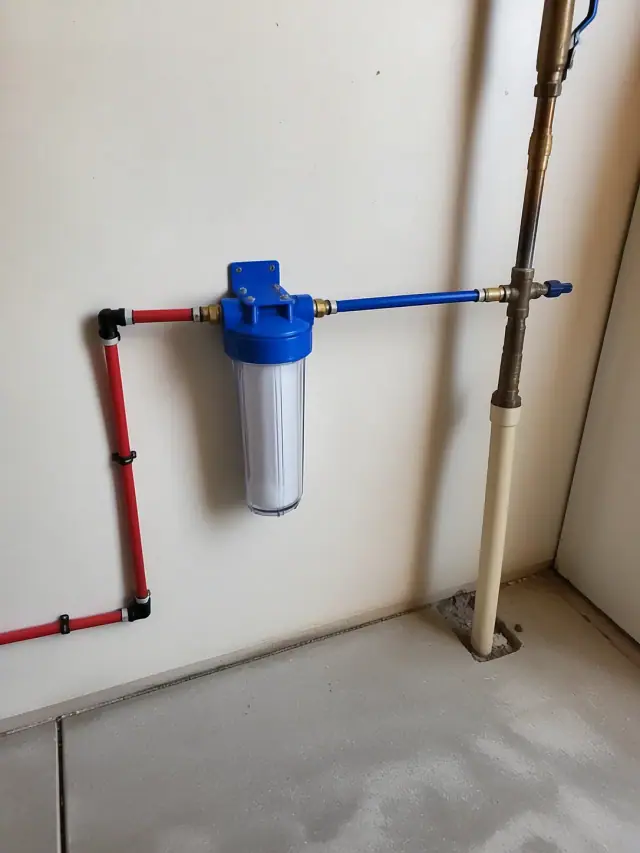
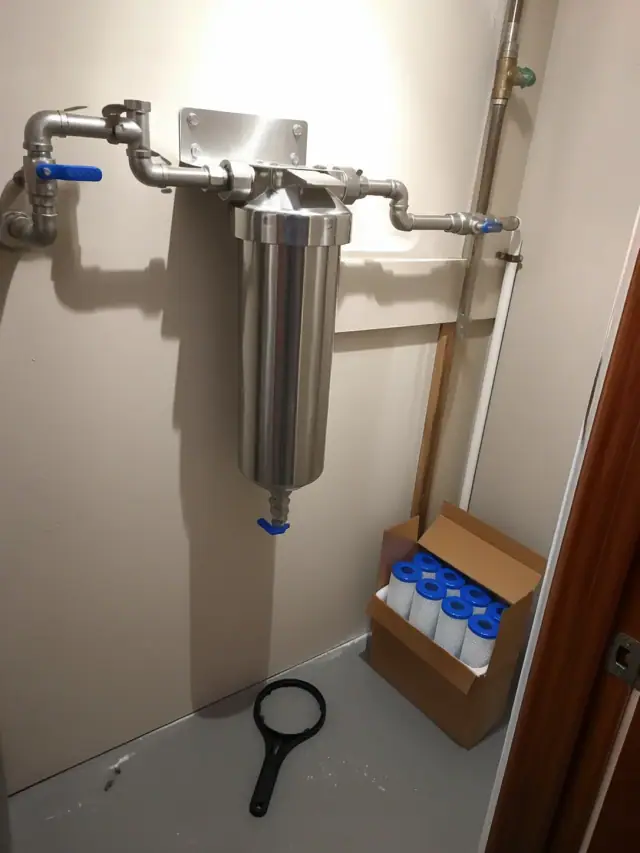
Sediment pre-filtration removes sand, silt, rust particles, and fine debris before they reach fixtures or downstream media. In Mesa, filters are typically selected in the 5 to 50 micron range based on source water and particle load, with extra attention to monsoon-season sediment between July and September.

Request Estimate

Chlorine & Chloramine Removal

Placeholder image 2

Carbon filtration is the stage most homeowners notice first because it targets the taste and odor left by municipal disinfection. For chloramines, which are more stable than free chlorine, we use the water test to select catalytic carbon media and enough contact time for meaningful reduction at household flow rates.

Request Estimate

Iron and Mineral Reduction

Placeholder image 3

Iron can contribute to staining, taste issues, and equipment fouling even at concentrations below 1 part per million. When testing shows iron or manganese concerns, we can add oxidizing media such as Birm, Katalox, or greensand, while water softening resin handles the dissolved calcium and magnesium that drive Mesa hardness.

Request Estimate

Water Softener & Filter Combos

Placeholder image 4

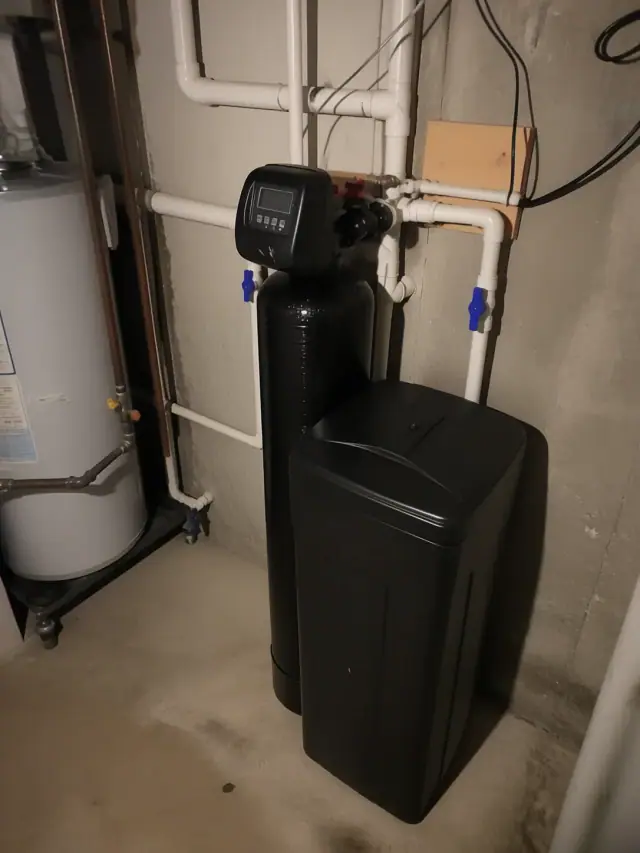
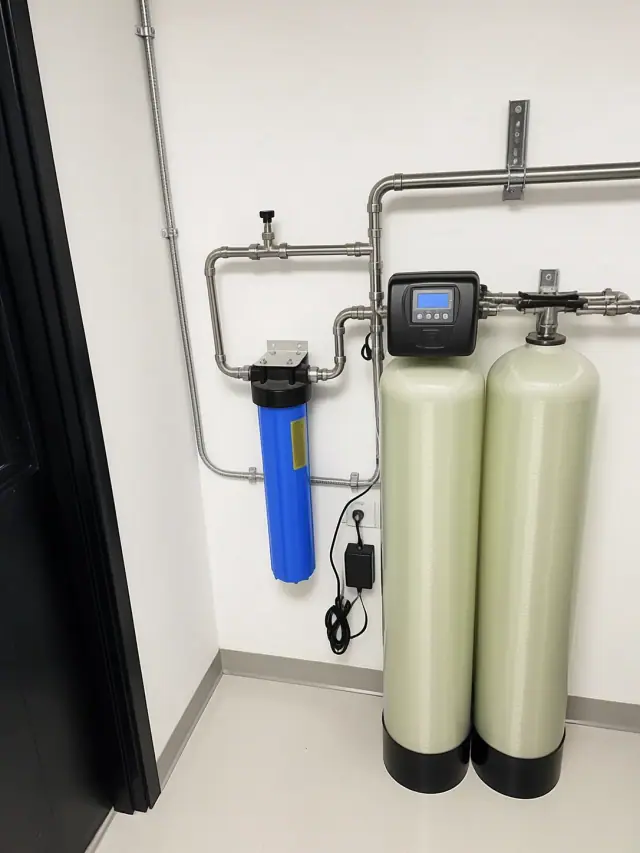
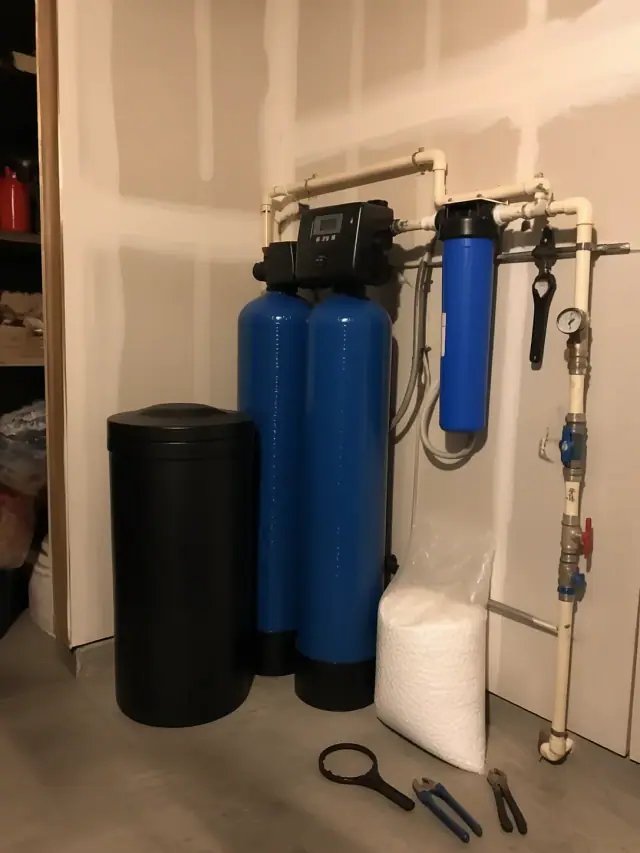
For many Mesa homes, the best setup is a whole house filter installed upstream of a dedicated water softener. The filter protects the resin bed from chlorine and sediment, while the softener reduces hardness minerals that create scale on fixtures, appliances, and water heater surfaces.

Request Estimate

Reverse Osmosis Integration

Placeholder image 5

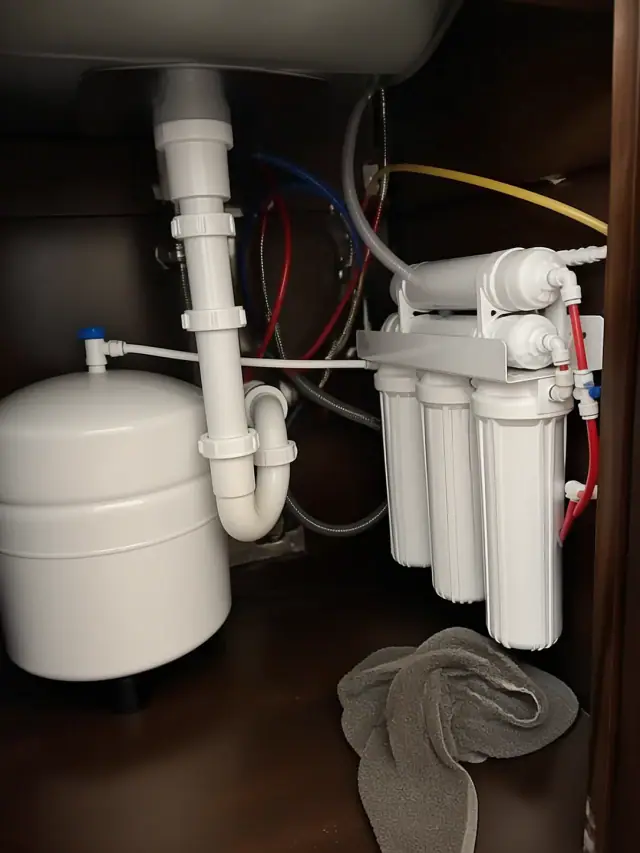
A reverse osmosis system at the kitchen sink can produce high-purity water through a dedicated faucet for drinking and cooking. When the RO membrane receives pre-filtered water with chlorine and sediment already reduced, it can last longer and require fewer filter changes.

Request Estimate

Maintenance & System Support

Placeholder image 6

Whole house filtration requires periodic maintenance to keep performance consistent. Sediment cartridges commonly need replacement every three to six months, carbon media can last several years depending on chloramine load and water usage, and softener resin can remain effective for a decade or more under normal conditions.

Request Estimate
Whole House System Types

Types of Whole House Filtration Systems

The best whole house filtration system for a Mesa home depends on water source, test results, number of bathrooms, peak flow demand, and the contaminants that need to be reduced. We match the system type to those conditions rather than recommending the same package for every home.

Placeholder image 7

High-Efficiency Demand-Initiated Filtration

Demand-initiated filtration and softening systems regenerate based on actual household water use rather than a fixed timer. That approach reduces unnecessary salt and water use while keeping treated water available when the resin bed reaches its calculated capacity.

  • Regenerates based on measured water usage instead of preset calendar cycles
  • Helps reduce unnecessary salt and water use compared with timer-based operation
  • Sized from household usage, bathroom count, peak flow, and test results
  • Designed to maintain consistent treated water at multiple outlets
  • A practical fit for Mesa households where water costs and efficiency matter
Request System Sizing
Placeholder image 8

Multi-Stage Filtration Systems

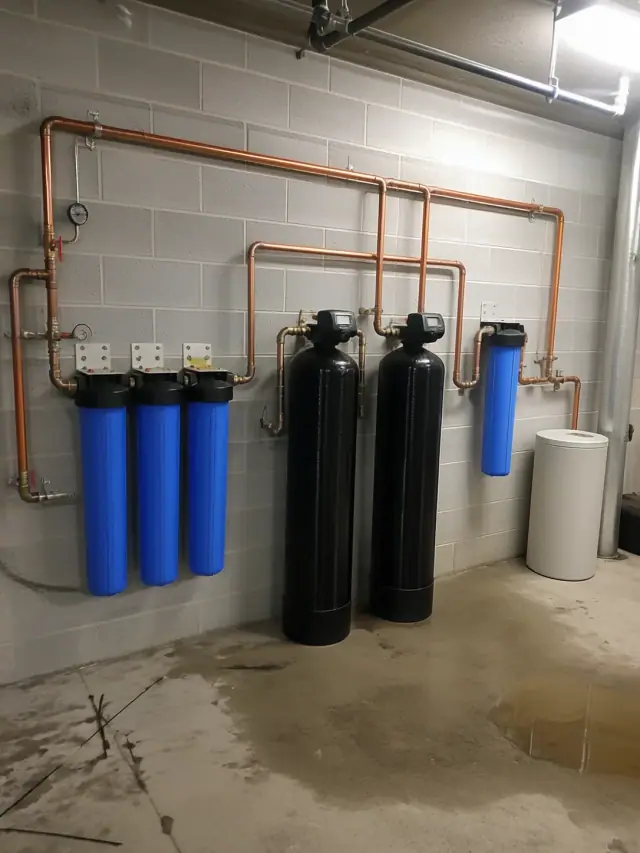
A multi-stage system treats different water problems in sequence. A typical Mesa configuration may include a 25-micron sediment pre-filter, catalytic carbon for chloramine and chemical reduction, and water softening resin for hardness control.

  • Sediment pre-filter captures sand, rust particles, silt, and distribution debris
  • Catalytic carbon stage targets chlorine, chloramines, and related taste or odor issues
  • Softening resin reduces calcium and magnesium hardness through ion exchange
  • Oxidizing media can be added upstream when iron levels require it
  • Correct stage order protects downstream media and improves overall performance
Request Multi-Stage Estimate
Placeholder image 9

Reverse Osmosis Drinking Water Add-On

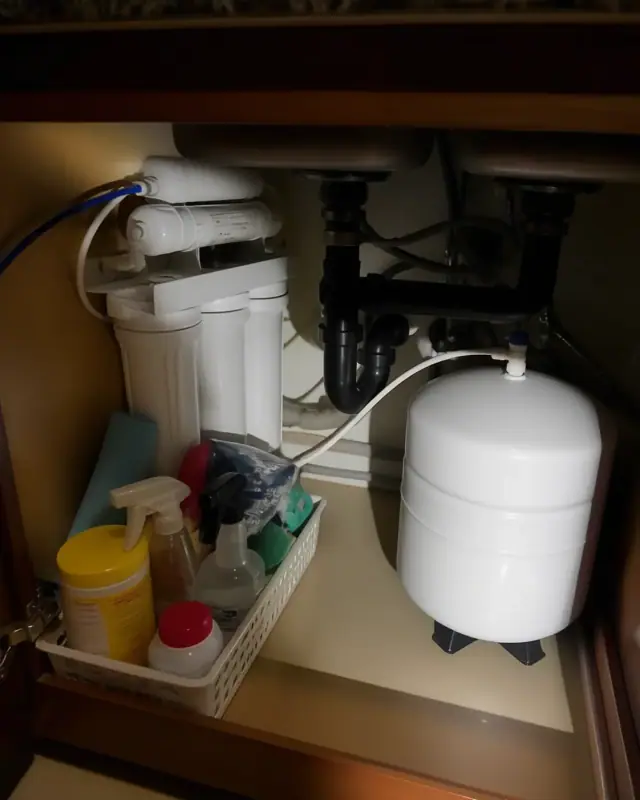
Reverse osmosis is a point-of-use upgrade that complements whole house filtration. Installed under the kitchen sink with a dedicated faucet, it filters down to 0.0001 micron for drinking water, coffee, cooking, and ice.

  • Installed at the kitchen sink with its own dedicated drinking-water faucet
  • Reduces dissolved salts, nitrates, fluoride, heavy metals, and biological contaminants
  • Receives pre-conditioned water when paired with whole house filtration
  • Complements point-of-entry treatment rather than replacing it
  • Ideal for drinking water, cooking water, coffee, tea, and clear ice
Add Drinking Water Filtration
Placeholder image 10

Dual Filtration System Installation

Dual filtration pairs whole house sediment and carbon filtration with a dedicated water softener. This setup addresses Mesa's two most common water complaints at the same time: disinfection chemicals and mineral hardness.

  • Combines point-of-entry sediment and carbon filtration with a water softener
  • Targets chlorine or chloramine concerns and dissolved hardness minerals together
  • Often falls in the $2,500 to $3,500 range depending on specifications and complexity
  • Supports showers, fixtures, water heaters, dishwashers, laundry, and kitchen water
  • Can be expanded with reverse osmosis or iron reduction after water testing
Request Dual System Estimate
Placeholder image 11

Well Water Treatment Systems

Homes on private wells east of Mesa toward Apache Junction and rural Maricopa County need a different test panel than municipal customers. Well water treatment may include sediment filtration, iron and manganese reduction, UV disinfection, and softening based on the results.

  • Expanded testing can include coliform, E. coli, nitrates, arsenic, pH, and TDS
  • Iron and manganese reduction media can be added when test results call for it
  • UV disinfection is available when bacterial control is part of the treatment plan
  • Sediment filtration protects tanks, valves, fixtures, and downstream treatment stages
  • System design is built around measured water quality instead of a generic well package
Request Well Water Review
Finding Your Right Fit

Choosing the Right Filtration System

Choosing the right system starts with water quality, household usage, and installation access. Basic single-stage or dual-stage whole house installations in Mesa typically range from about $937 to $1,875, while advanced multi-stage systems with catalytic carbon, softening resin, and specialty media often run $2,500 to $3,500. Straightforward labor commonly falls between $500 and $1,200, with higher costs when pipe relocation, access work, or complex integration is required.

Custom Water Testing First

We test before we recommend equipment, measuring hardness in grains per gallon, chlorine and chloramine concentration, iron in parts per million, pH, total dissolved solids, and sediment load. Those results guide media selection, tank sizing, flow-rate planning, and whether the system needs softening, carbon, iron reduction, reverse osmosis, or a combination.

Local Mesa Water Expertise

Mesa's water supply reflects its Sonoran Desert setting and mixed Salt River and Colorado River sources. With 504,258 residents as of the 2020 census, Mesa is the East Valley's most populous city, and neighborhoods from downtown Mesa to Eastmark, Cadence, Dobson Ranch, and Red Mountain can experience different plumbing layouts and water-use patterns.

Clean, Serviceable Installation Work

A good filtration system should be easy to isolate, service, and understand after installation. We install accessible housings and tanks, proper shutoff and bypass valves, secure plumbing connections, and neat layouts that support long-term maintenance instead of turning filter changes into a plumbing project.

What Sets Us Apart

Why Choose Mesa Water Softeners for Whole House Filtration?

Residential water treatment in Mesa is a plumbing and water-quality project, not just an equipment purchase. Mesa Water Softeners operates as a licensed water filtration installer in Mesa with appropriate licensing and insurance for residential plumbing work, and we focus on performance details such as flow rates, media volume, bypass configuration, and service access. Where applicable, the systems we install use NSF-certified components and are rated for NSF/ANSI Standard 42 aesthetic reduction and NSF/ANSI Standard 44 softening performance.

Request Water Assessment

Hard Water Scale Buildup

Mesa-area hardness can create scale inside water heater tanks, on tankless heat exchangers, around fixtures, and on dishwasher components. Scale acts like insulation on heating surfaces, reducing efficiency and increasing wear on the equipment that uses the most water.

Chlorine & Chloramine Taste and Odor

Chlorine and chloramines keep municipal water disinfected through the distribution network, but they can leave noticeable taste and odor at the tap. In showers, heated water can make those disinfectant smells more noticeable and contribute to the dry-water feel many homeowners complain about.

Sediment and Particles in the Water

Sand, silt, rust particles, and fine debris can enter the water supply during main breaks, high-demand periods, or seasonal events. East Valley monsoon storms from July through September can make sediment pre-filtration especially useful for protecting fixtures and downstream media.

Dry Skin and Dull Hair After Showering

Mineral-heavy, chlorinated water can leave skin feeling dry and hair feeling dull or brittle after repeated showers. Removing disinfectants and reducing hardness changes the water chemistry your skin and hair encounter every day.

Appliance and Fixture Wear

Hardness minerals collect inside water heaters, dishwashers, washing machines, ice makers, valves, and fixtures. Chlorine can also degrade rubber seals, gaskets, and o-rings over time, creating another reason to treat water before it reaches the whole plumbing system.

Well Water Iron, Manganese, or Bacteria

Private wells near the edges of Mesa and toward Apache Junction can require treatment beyond municipal-style filtration. Testing may reveal iron, manganese, bacteria, nitrates, arsenic, pH issues, hardness, or high total dissolved solids that need a targeted treatment sequence.

How it works

Our Whole House Filtration Process

Our process is built to match equipment to measured water quality and real household demand. From the first test to the final walkthrough, each step is designed to prevent undersizing, pressure problems, avoidable maintenance issues, and unnecessary upgrades.

01.

Custom Water Testing

We begin by testing the water for hardness, chlorine and chloramine levels, iron, pH, total dissolved solids, and sediment load. For private wells, the test scope can expand to bacteria, nitrates, arsenic, manganese, and other well-specific concerns.

02.

Household System Sizing

Next, we size the system around the number of bathrooms, household water usage, peak flow demand, and contaminant concentrations. Correct sizing helps maintain pressure while ensuring the media has enough capacity and contact time to perform.

03.

Equipment Recommendation and Pricing

We explain the recommended stages, equipment, fittings, labor, and site-specific requirements before installation begins. If the project scope changes because of access, rerouting, or plumbing conditions, we discuss that with you before moving forward.

04.

Professional Main-Line Installation

The system is installed at the main water line with a proper bypass valve so it can be isolated for service. Filter housings are mounted securely, supply and drain lines are routed neatly, and connections are pressure-tested before startup.

05.

Activation and Performance Verification

After installation, we activate the system, check operating pressure, confirm bypass valve function, test post-filter water quality, and program any demand-initiated regeneration settings. We also walk you through operation and the maintenance schedule.

06.

Ongoing Maintenance Support

We remain available after installation for filter changes, annual checks, troubleshooting, and performance questions. Unusual taste, pressure drop, or visible color changes in the water are all signs that a filtration stage may need attention.

Get Better Water

Schedule a Whole House
Filtration
Consultation

Better water starts with knowing what is actually in your home's supply. Request an estimate for whole house filtration in Mesa and we will review testing, explain the right treatment sequence, and outline the cost and maintenance expectations before you commit.

Water Filtration Help

Whole House Filtration FAQs

Have questions about whole house filtration, water softening, reverse osmosis, or Mesa water conditions? These answers cover common cost, installation, maintenance, and system-selection questions for local homeowners.

Call Our Water Experts

The installed cost of a whole house water filtration system in Mesa typically ranges from about $937 to $1,875 for a single-stage or basic dual-stage setup. Multi-stage systems that combine sediment filtration, catalytic carbon, softening resin, and specialty media usually fall in the $2,500 to $3,500 range. Straightforward labor commonly runs $500 to $1,200, with access and rerouting affecting the final price.

Permit requirements depend on the scope of work. Installations that modify the main potable water supply line, add a bypass, or reroute pipe may require a plumbing permit through the City of Mesa Development Services Department. Arizona Revised Statutes, Maricopa County building codes, and Arizona Registrar of Contractors rules also apply to residential plumbing modifications.

Most straightforward residential installations take about two to four hours when the main line is accessible and no major pipe relocation is needed. More complex systems with multiple stages, rerouting, or difficult access can take four to six hours or longer. The visit usually includes installation, startup, testing, programming, and a walkthrough.

The answer depends on which filtration stages are installed. For Mesa municipal water, common targets include chlorine, chloramines, sediment, particulate matter, dissolved calcium and magnesium hardness, and sometimes iron from source water or distribution infrastructure. A water test determines whether the system should include sediment, catalytic carbon, softening resin, iron reduction, or reverse osmosis at the kitchen sink.

A well-specified system can last a decade or more with proper maintenance. Sediment cartridges commonly need replacement every three to six months, carbon media in tank-based systems can last several years depending on usage and chloramine concentration, and softener resin can remain effective for a decade under normal operating conditions. We provide a maintenance schedule for the exact system installed.

Well water needs to be tested before a system is selected. Homes east of Mesa toward Apache Junction or in rural Maricopa County may need testing for coliform, E. coli, nitrates, arsenic, pH, iron, manganese, hardness, and total dissolved solids. Common well configurations can include sediment filtration, oxidizing media for iron and manganese, UV disinfection, and a water softener.

Yes, and that combination is often the most effective setup for Mesa water. The filtration stages reduce sediment, chlorine, chloramines, and other chemical concerns, while the softener handles dissolved calcium and magnesium hardness. The filter is usually installed upstream of the softener to protect the resin from chlorine and sediment.

Salt-free systems, often based on template-assisted crystallization or related scale-inhibition technologies, do not remove hardness minerals from the water. They can reduce how readily calcium carbonate sticks to surfaces, but the dissolved mineral content remains. For Mesa hardness levels that regularly exceed 300 parts per million, we explain the tradeoff between scale inhibition and true ion-exchange softening before recommending a system.

Maintenance depends on water quality, water usage, and the type of media installed. Sediment filters often need attention every three to six months, while tank-based carbon media may last several years before replacement. Annual checks can include post-filter water testing, bypass valve inspection, pressure checks, and salt or brine tank review for softener systems.

A properly sized system should provide filtered water without an unnecessary pressure drop. We size the equipment using household water usage, number of bathrooms, peak flow demand, and contaminant levels from the water test. We also check operating pressure during startup and recommend pressure-control adjustments when the existing plumbing needs them.

Whole house filtration treats water at the point of entry so every fixture receives treated water. Reverse osmosis is typically installed at the kitchen sink for high-purity drinking and cooking water, filtering down to 0.0001 micron. Many Mesa homes benefit from both: point-of-entry treatment for the whole home and RO for drinking water.

Chloramines are more chemically stable than free chlorine, so they require the right carbon media and enough contact time for effective reduction. Catalytic carbon is commonly specified when test results show chloramine concerns because it performs better than standard granular activated carbon for that target. Tank volume and flow rate still matter because the water must spend enough time in contact with the media.

We use water test results, household usage, bathroom count, peak flow demand, water source, installation access, and the customer's goals for taste, odor, hardness, appliance protection, or drinking water quality. That information determines the filtration stages, media type, tank capacity, bypass layout, and maintenance schedule. The goal is to solve the measured water problem without overselling equipment that does not fit the home.