Proudly serving Mesa, Tempe, Phoenix, Chandler, Gilbert, Queen Creek & surrounding areasCall or Text 24/7: 602-905-5577

Water Softener Installation in Ahwatukee, AZ | Softening, RO & Whole-House Filtration

Mesa Water Softeners provides water softeners, reverse osmosis, and whole house filtration for homes and businesses in Ahwatukee, AZ. Our team also handles water softener repair, maintenance, residential water softener systems, salt water softener installation, saltless water softener installation, commercial water softener installation, and carbon filtration additional treatment. Every recommendation starts with local water testing so the system fits the hardness, chlorine or chloramine, sediment, pH, iron, and total dissolved solids found at your tap.

Ahwatukee homes sit in the same Phoenix metro water conditions that regularly measure between 12 and 25 grains per gallon, well above the 7 GPG threshold where hard-water damage accelerates. That mineral load leaves chalky buildup on faucets, spots dishes, stresses water heaters, and shortens the life of dishwashers, washing machines, and ice makers. We build treatment plans around the water at your specific tap instead of relying on broad municipal averages.

From Ahwatukee Foothills Village and neighborhoods near Desert Foothills Parkway to homes closer to South Mountain Park and the I-10 corridor, we help property owners protect plumbing, improve drinking water, and choose equipment that fits the home instead of oversizing by guesswork.

★ ★ ★ ★ ★4.9/5 Average Rating - 20+ Years of Experience - Ahwatukee Water Treatment Experts - Residential & Commercial
Services

Water Treatment Services in Ahwatukee, AZ

Our Ahwatukee service menu covers the full path from testing to installation, repair, maintenance, filtration, and drinking-water purification. We serve residential and commercial properties across Ahwatukee Foothills, Mesa, Chandler, Gilbert, Tempe, Queen Creek, Apache Junction, and the broader Maricopa County East Valley, while Mesa itself spans 140 square miles and serves more than 504,000 residents as of the 2020 census. For property owners comparing water treatment needs across the wider Phoenix area, the same testing-first approach applies from Ahwatukee to Peoria .

Water Softeners

Placeholder image 1

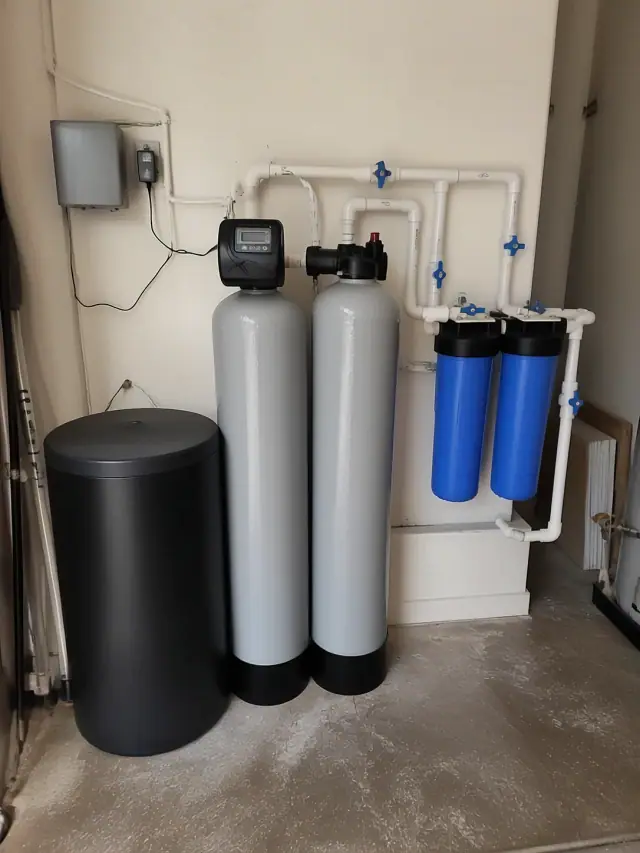
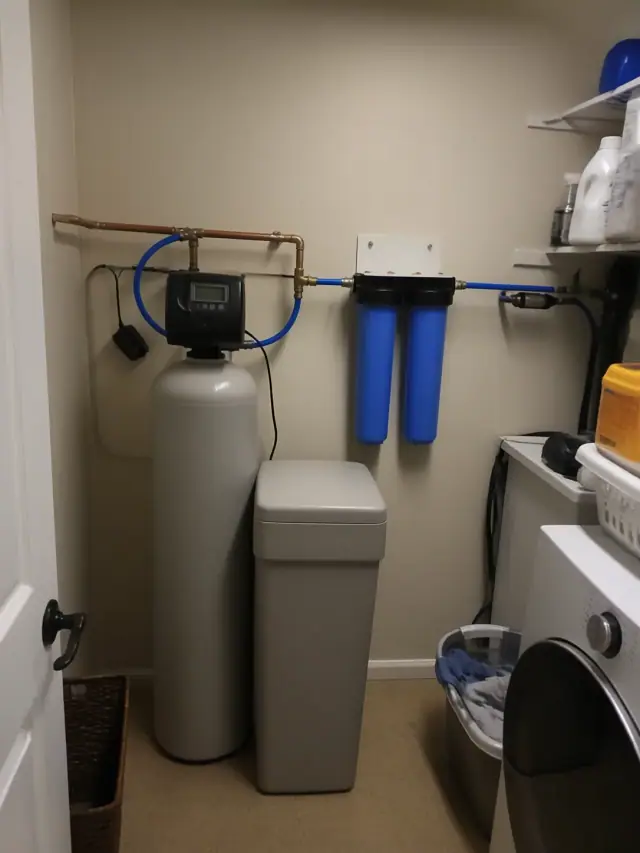
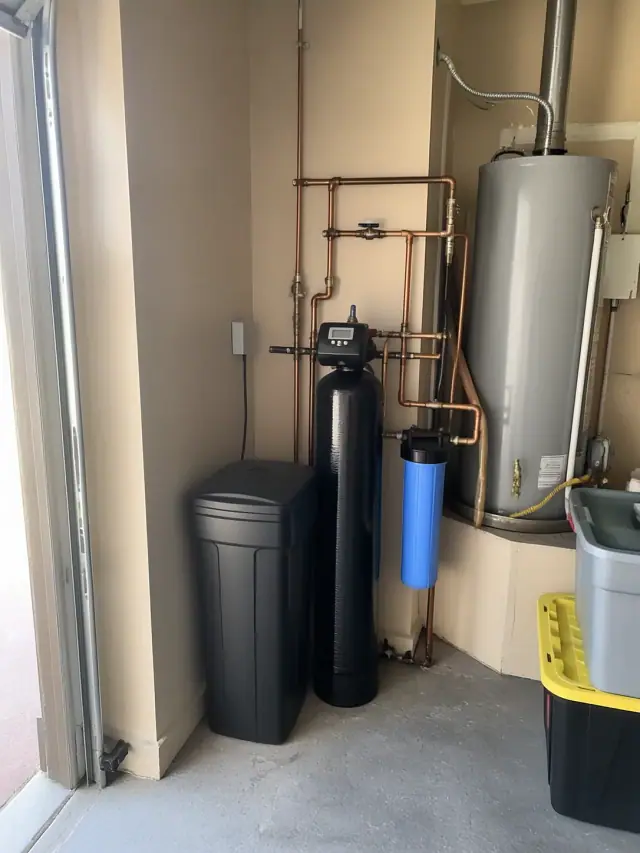
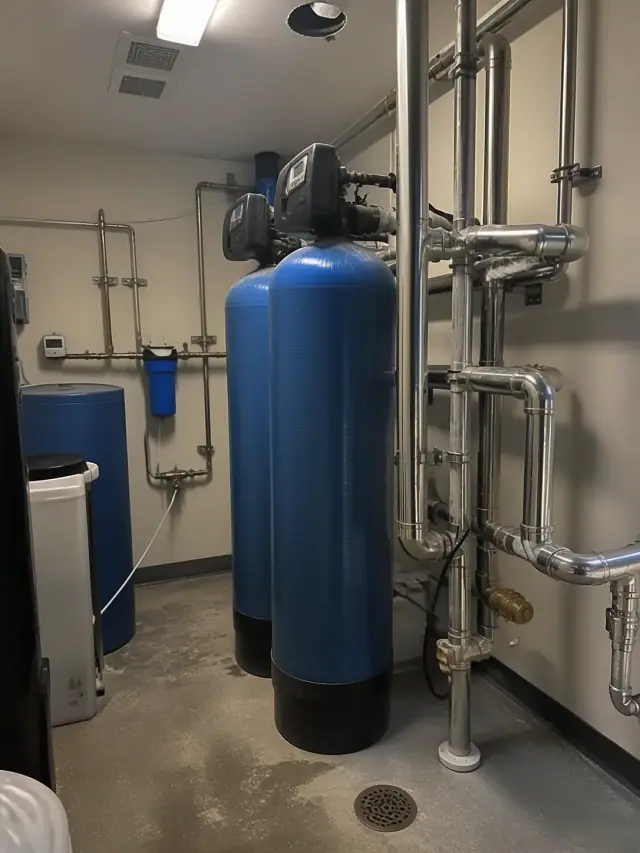
A whole-house water softener treats the water entering your home before it reaches showers, fixtures, the water heater, and appliances. We install ion-exchange, salt-based softeners, demand-initiated regeneration systems, and high-efficiency units sized to Ahwatukee hardness levels instead of generic equipment charts.

Explore Service

Reverse Osmosis

Placeholder image 2

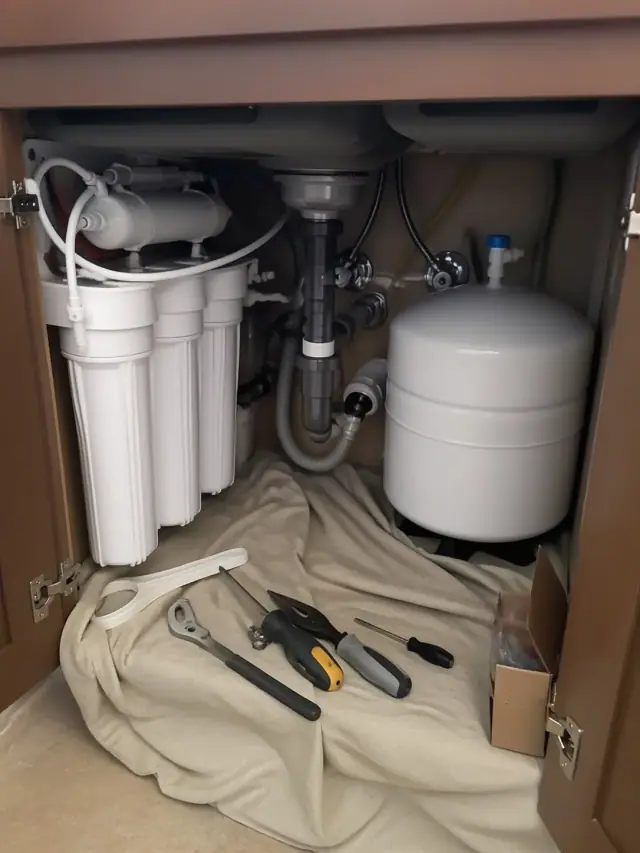
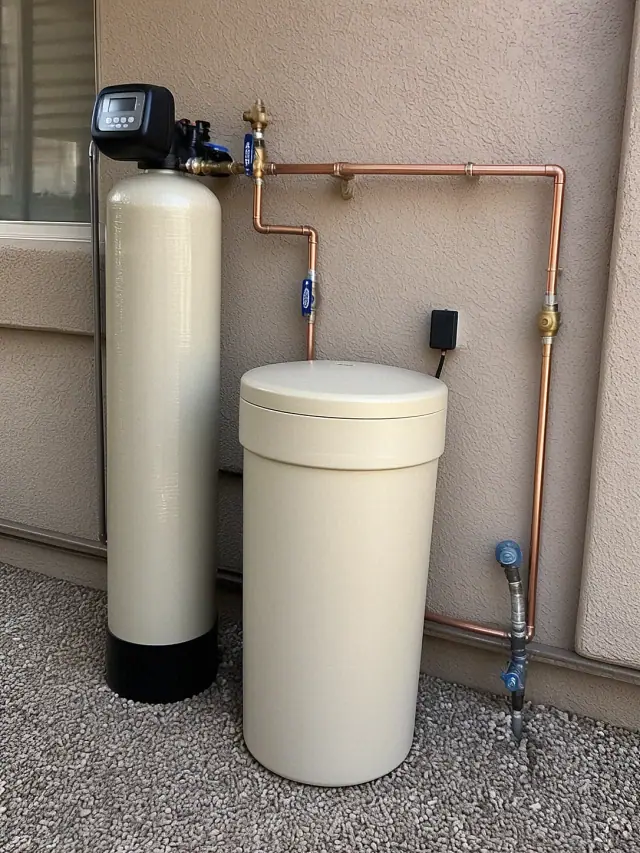
Reverse osmosis gives the kitchen sink a separate drinking-water solution for cooking, coffee, ice, and bottled-water replacement. Four-stage and five-stage RO systems reduce total dissolved solids to near-zero, and pairing RO with a whole-house softener helps protect the membrane from heavy mineral loading.

Explore Service

Whole House Filtration

Placeholder image 3

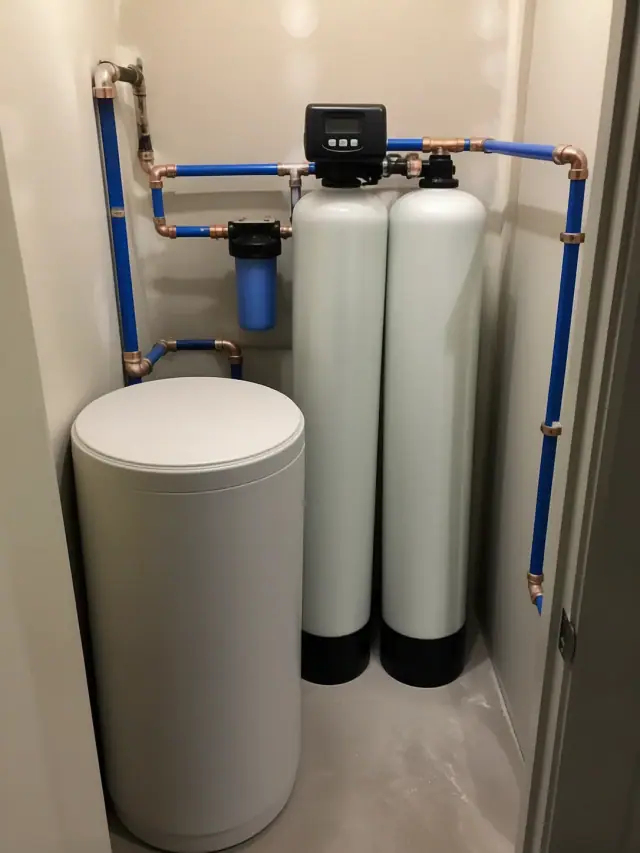
Whole house filtration addresses water quality issues that softening alone does not solve, including chlorine, chloramines, sediment, taste, odor, and chemical content. We use carbon block pre-filters, sediment filters, and whole-house carbon filtration when testing shows that pre-treatment will protect the softener resin bed and improve water throughout the home.

Explore Service

Water Softener Repair

Placeholder image 4

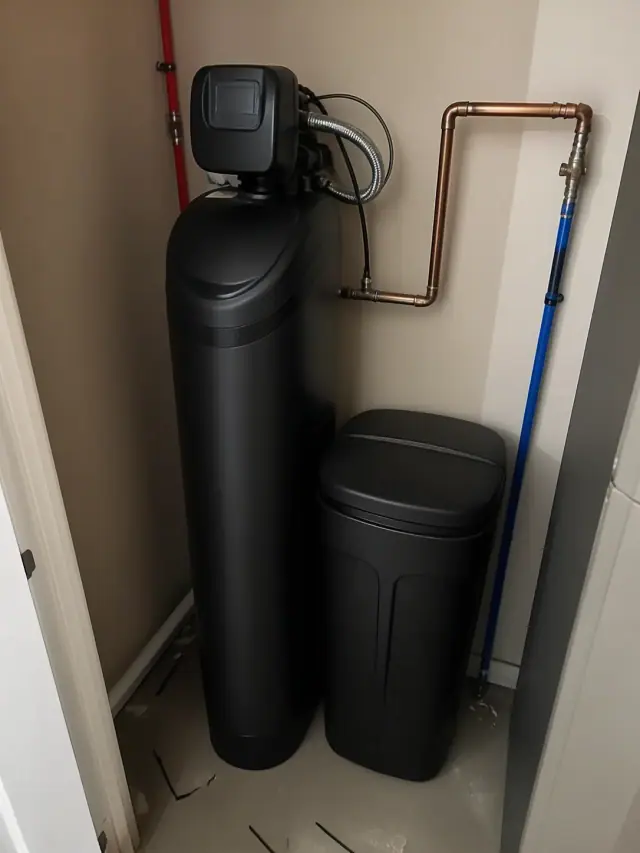
Water softener repair is available for systems that leak, fail to regenerate correctly, send hard water through the home, or show signs of a failed control head, injector, valve, or brine draw. Emergency water softener service is available for active leaks or urgent failures, and standard diagnostic visits are typically scheduled within 24-48 hours.

Water Softener Maintenance

Placeholder image 5

Arizona hard water makes routine maintenance important, especially salt management, periodic resin-bed cleaning, and timely replacement of brine tank injectors and seals. A correctly maintained salt-based system can typically last 10-20 years in this region, while neglected systems tend to cycle inefficiently or lose softening capacity sooner.

Residential Water Softener Systems

Placeholder image 6

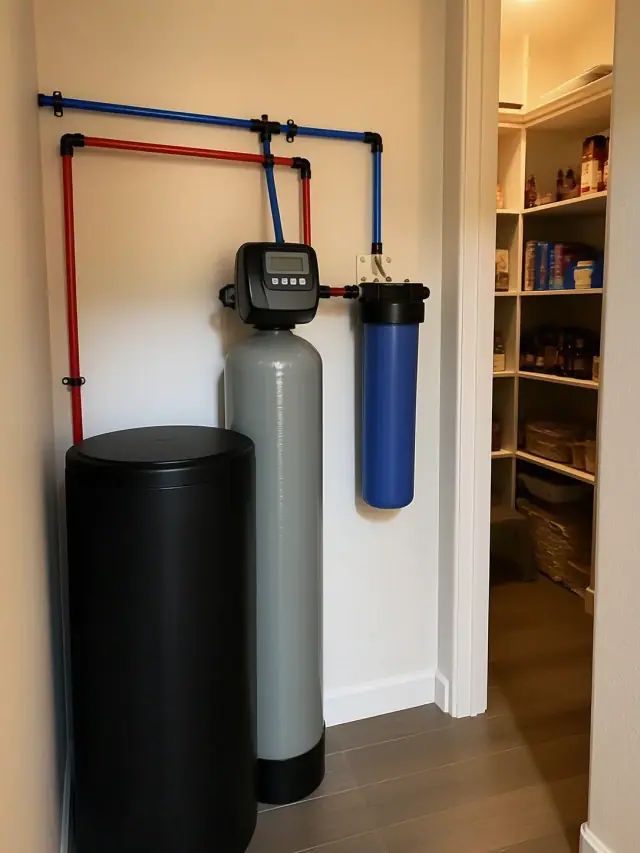
Residential water softener systems are selected around household size, daily water use, measured hardness, and plumbing access. We install systems for single-family homes, townhomes, condos, and multi-unit properties, then program the control head so regeneration frequency matches the home instead of wasting salt and water on a fixed timer.

Salt Water Softener Installation

Placeholder image 7

Salt water softener installation uses traditional ion exchange to remove hardness minerals from the water supply. For Ahwatukee homes with very hard water, these systems are often the strongest choice for reducing scale buildup in pipes, fixtures, water heaters, dishwashers, and washing machines.

Saltless Water Softener Installation

Placeholder image 8

Saltless water softener installation uses salt-free conditioner technology, often called template-assisted crystallization, to change dissolved calcium and magnesium into a crystalline form that is less likely to stick to pipes and fixtures. These systems do not remove hardness minerals, but they appeal to homeowners who want low maintenance, no sodium exchange, or an option that avoids brine discharge.

Commercial Water Softener Installation

Placeholder image 9

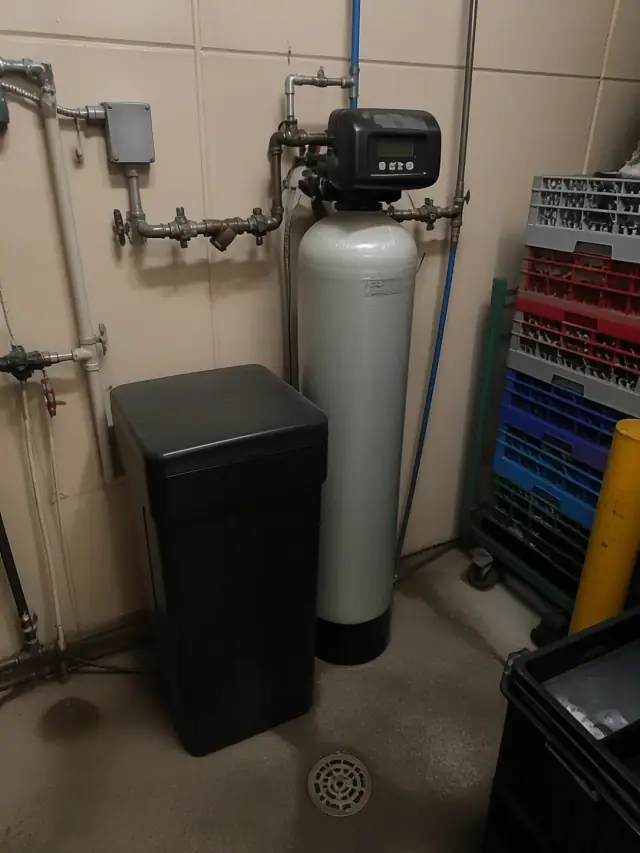
Commercial water softener installation is available for Mesa and East Valley businesses, including restaurants, medical offices, multi-tenant properties, and other facilities that need higher-capacity treatment. We size commercial systems around usage, water hardness, fixture count, and operational demands rather than installing residential equipment in a commercial setting.

Carbon Filtration Additional Treatment

Placeholder image 10

Carbon filtration additional treatment helps address chlorine, chloramines, taste, odor, and chemical content separately from hardness treatment. In Ahwatukee installations, carbon filtration can be placed ahead of the softener to reduce chemical load, support resin performance, and create a more complete whole-house water treatment plan.

System Selection

How to Choose the Right Water Treatment System in Ahwatukee

The right system depends on what your water test shows, how many people use water in the home, and whether your goal is scale protection, drinking-water purification, taste improvement, or all three. Ahwatukee water can shift as Salt River Project and Central Arizona Project sources are blended seasonally, so we verify the numbers at your tap before recommending a softener, saltless conditioner, filtration stage, or RO system.

Test Actual Hardness and TDS

A useful recommendation starts with hardness in grains per gallon, chlorine or chloramine levels, pH, sediment, iron, and total dissolved solids. A home testing at 14 GPG needs a different approach than one testing at 22 GPG, and iron above 0.3 mg/L can require resin protection or separate upstream filtration.

Match Capacity to Household Use

Softener capacity should be based on real water demand, not just the size of the tank. A common sizing example is a household of four using 75 gallons per person per day in 18 GPG water, which creates a very different grain load than a smaller household in the same neighborhood.

Compare Salt-Based and Salt-Free Options

Salt-based systems remove calcium and magnesium through ion exchange, while salt-free conditioners alter how minerals behave without removing them. We explain the tradeoffs clearly so sodium concerns, HOA limitations, maintenance preferences, and very high hardness levels are all considered before equipment is selected.

Protect Appliances and Plumbing

Whole-house softening matters because hard-water scale collects inside water heaters, dishwashers, ice makers, washing machines, and smaller supply lines. Treating water before it reaches those fixtures reduces scale exposure across the entire plumbing system instead of only improving one faucet.

Account for Chlorine, Chloramines and Sediment

Hardness is only one part of Ahwatukee water quality. Carbon filtration, sediment filtration, and other pre-treatment stages can address taste, odor, chemical content, and particles while also helping protect the softener resin bed from unnecessary stress.

Plan Drinking Water Separately with RO

A softener protects the home from scale, but reverse osmosis is usually the stronger choice for drinking and cooking water. We often design a whole-house softener at the main line plus a point-of-use RO system at the kitchen sink so each part of the water system has the right job.

Ahwatukee Water Issues

Common Hard-Water Problems in Ahwatukee Homes

Ahwatukee Foothills receives Phoenix Water Services-treated water from a blend of Salt River Project and Colorado River sources, and the result is consistently hard water across most neighborhoods. Scale, mineral residue, taste concerns, and source-water shifts are practical household issues, not cosmetic complaints, because they affect plumbing, appliances, fixtures, and drinking-water quality.

Test My Water

Chalky White Scale on Fixtures

White buildup on faucets, shower glass, and sink edges is a visible sign that calcium carbonate and magnesium deposits are being left behind as water evaporates. At Ahwatukee hardness levels, that scale can become noticeable within weeks.

Filmy Dishes and Soap Residue

Hard water makes soap and detergent less effective, leaving dishes spotted, glassware cloudy, and skin or hair feeling coated after showers. A whole-house softener reduces the mineral load before water reaches fixtures and appliances.

Water Heater Scale and Efficiency Loss

Scale collects on water heater surfaces and heating elements, forcing the unit to work harder to reach target temperatures. Over time, that buildup can shorten service life and contribute to higher energy use.

Seasonal Hardness and TDS Shifts

Ahwatukee readings can shift modestly as Salt River Project and Central Arizona Project source blending changes through the year. That is why we test at the tap rather than relying only on general annual averages for a distribution zone.

Appliance Valve and Plumbing Failures

Dishwasher inlet valves, washing machines, ice makers, and smaller supply lines can all suffer when scale narrows passages or interferes with moving parts. Many urgent softener service calls trace back to scale-related stress in appliances and plumbing connections.

Chlorine Taste, Sediment and Odor

Some Ahwatukee water concerns are not solved by softening alone. Chlorine, chloramines, sediment, taste, odor, and elevated total dissolved solids may require carbon filtration, sediment filtration, or reverse osmosis as additional treatment.

Why Choose Us

Why Choose Mesa Water Softeners in Ahwatukee?

Mesa Water Softeners focuses on the water conditions found in Ahwatukee, Mesa, and the East Valley instead of applying one-size-fits-all national recommendations. Our process combines local water chemistry knowledge, direct testing, proper system sizing, clean workmanship, and ongoing support after installation.

Ahwatukee and East Valley Water Knowledge

We understand how Ahwatukee sits within the Phoenix distribution network and how East Valley water changes as SRP and CAP sources are blended. Mesa also draws from the Salt River Project and the Central Arizona Project, including Colorado River water delivered through the 336-mile Central Arizona Canal.

Testing-First Recommendations

We test before recommending equipment so the quote is tied to actual hardness, TDS, chlorine, chloramines, pH, iron, and sediment readings. This helps avoid overselling and ensures a salt-based softener, saltless conditioner, filtration stage, or RO system is chosen for the problem you actually have.

Clean, Code-Aware Installation

Installations are planned around bypass valve placement, main-line connection before the water heater, drain routing, control-head programming, and post-setup verification. We follow Maricopa County plumbing code expectations and Arizona ROC licensing requirements for this type of work.

Simple Process

Our Water Treatment Process in Ahwatukee

Our process keeps the project practical: test the water, explain the results, size the equipment, install cleanly, verify performance, and show you how to maintain the system. Whether the final plan is a softener, reverse osmosis unit, filtration stage, or integrated setup, each step is tied to your home and measured water quality.

01.

Test Your Tap Water

We begin with a calibrated test for hardness, iron, pH, TDS, chlorine, and sediment. Testing typically takes 15-20 minutes and gives us the numbers needed to specify the right treatment approach.

02.

Review Softener and Filtration Options

We explain what the results mean and compare salt-based softeners, saltless conditioners, whole-house filtration, carbon filtration, and reverse osmosis when those options apply. The goal is a clear recommendation, not a confusing equipment list.

03.

Size the System for Your Home

System sizing accounts for household water use, hardness level, grain capacity, fixture demand, and regeneration frequency. Correct sizing prevents undersized systems from regenerating too often and oversized systems from adding cost without proportional benefit.

04.

Install Main-Line Equipment

For softener installation, we shut off the main supply, connect to the main line after the meter and before the water heater, install a bypass valve assembly, connect the mineral and brine tanks, and route the drain line to an appropriate location. Most standard installations take 2-4 hours depending on access and plumbing configuration.

05.

Program and Verify Performance

After installation, we program the control head to match your measured hardness and household consumption, then verify flow rates and pressure. We also test the system through a full regeneration cycle before the job is complete.

06.

Walk Through Maintenance and Support

Before leaving, we show you how to monitor salt levels, read the control head, understand regeneration cycles, and know when maintenance is needed. We remain available for troubleshooting, routine service, and future upgrades such as RO or carbon filtration.

Treatment Outcomes

Water Treatment Outcomes for Ahwatukee Homes & Businesses

Case Study 1: Residential softener setup: A correctly sized whole-house softener at the main line reduces scale exposure before water reaches showers, faucets, the water heater, and everyday appliances.

Case Study 2: Softener plus RO pairing: A whole-house softener protects plumbing from hardness while a kitchen-sink reverse osmosis system provides purified water for drinking and cooking.

Case Study 3: Filtration support: Sediment and carbon filtration can address chlorine, chloramines, taste, odor, and chemical content separately from the softener so the full treatment plan does not depend on one piece of equipment.

Get Better Water

Schedule an Ahwatukee
Water Treatment
Consultation

Schedule a free water test and get a clear recommendation for your Ahwatukee home or business. We will review your hardness, filtration needs, drinking-water goals, installation conditions, and maintenance expectations before giving you a written path forward.

Local Water Treatment Help

FAQs About Water Softener Service in Ahwatukee, AZ

These answers cover common Ahwatukee questions about water softeners, reverse osmosis, filtration, maintenance, repair, installation cost, and local hard-water conditions.

Call Water Experts

Most homeowners in the Phoenix metro area, including Ahwatukee and Mesa, invest between $1,800 and $5,500 for a professionally installed whole-house water softener system. The final cost depends on system type, grain capacity, installation complexity, and whether filtration or reverse osmosis is added.

Entry-level salt-based equipment can run $400-$1,200 before labor, while high-efficiency dual-tank or smart-metered systems can run $1,500-$3,500 for equipment. Standard installation labor in the Phoenix metro typically adds $200-$600, and many properly sized installed systems fall in the $2,250-$3,500 range.

A salt-based water softener in Arizona typically lasts 10-20 years with proper maintenance. Consistent salt management, resin-bed cleaning, and timely replacement of brine tank injectors and seals help the system reach the higher end of that range.

Ahwatukee Foothills homes connected to Phoenix Water Services commonly receive water in the very hard range, typically between 15 and 25 GPG depending on source blending and season. Across the broader Phoenix metro, hardness often falls between 12 and 25 grains per gallon, which is well above the 7 GPG threshold where scale problems accelerate.

Salt-based softeners remove hardness minerals through ion exchange, which is often the best fit for very hard water and scale reduction. Saltless conditioners, also called salt-free or TAC systems, do not remove minerals but change them into a form that is less likely to stick to surfaces, which can be attractive for low-maintenance homes or properties avoiding brine discharge.

Yes. A common integrated setup uses a whole-house softener at the main water entry point and a point-of-use reverse osmosis system at the kitchen sink for drinking and cooking water. Softened water can also reduce the mineral load on the RO membrane, supporting longer membrane service life.

Yes. Whole house filtration can be added for chlorine, chloramines, sediment, taste, odor, chemical content, and elevated total dissolved solids where testing shows those concerns. Carbon block filters, sediment filters, and whole-house carbon filtration are separate tools from softening and can be combined with a softener when appropriate.

Carbon filtration additional treatment helps address taste, odor, chlorine, chloramines, and certain chemical content before or alongside softening. In many Ahwatukee installations, carbon filtration can also reduce chemical exposure to the softener resin bed and support a more complete treatment plan.

Yes. We diagnose and repair systems with leaks, failed regeneration, brine draw problems, control-head issues, valve problems, or hard water passing through the home. Emergency service is available for active equipment failures or leaks, while non-emergency diagnostics are typically scheduled within 24-48 hours.

Routine maintenance includes keeping the brine tank supplied with salt, checking for bridging or mushing, cleaning the resin bed when needed, and replacing worn injectors or seals on schedule. High-hardness Arizona water makes maintenance especially important because the system works hard throughout the year.

We size the system by combining measured hardness with household water use and expected daily demand. For example, a household of four using 75 gallons per person per day in 18 GPG water needs a different grain capacity and regeneration schedule than a two-person home with the same water source.

Yes. Commercial water softener installation is available for Mesa and East Valley businesses, including restaurants, medical offices, multi-tenant properties, and facilities with higher water demand. Commercial systems are sized around usage, hardness, fixture count, and operational requirements.

A standard Ahwatukee water softener installation typically takes 2-4 hours depending on plumbing access and configuration. The process includes shutting off the main supply, connecting to the main line before the water heater, installing the bypass assembly, routing the drain line, programming the control head, and testing the system.

Installations that cut into the main water supply line are typically subject to plumbing code requirements in Mesa, Phoenix, Ahwatukee, and Maricopa County jurisdictions. Mesa Water Softeners follows Arizona ROC licensing requirements and discusses code or permitting considerations as part of the installation planning.

If a system fails, untreated hard water can move through the home and active leaks can create immediate plumbing risk. We provide emergency water softener service for active leaks or urgent failures, and we also troubleshoot regeneration problems, control settings, brine tank issues, and systems that are no longer producing soft water.