Proudly serving Mesa, Tempe, Phoenix, Chandler, Gilbert, Queen Creek & surrounding areasCall or Text 24/7: 602-905-5577

Water Softeners in Gilbert, AZ | Reverse Osmosis & Whole-House Filtration

Mesa Water Softeners installs water softeners, reverse osmosis systems, and whole-house filtration for homeowners and businesses in Gilbert, Arizona. Our work is built around East Valley water conditions, including the hard mineral profile that affects plumbing, fixtures, water heaters, and appliances. We also handle water softener repair, water softener maintenance, residential systems, salt water softener installation, saltless water softener consultation, commercial installations, and carbon filtration additional treatment.

Gilbert's municipal water has been documented at approximately 12.7 grains per gallon, which places it in the very hard range. That level of hardness leaves spots, weakens soap and detergent performance, and accelerates scale inside water heaters, dishwashers, and supply lines. We test your water at the tap before recommending equipment, then size and program the system around actual household or business demand. The result is a practical treatment plan for desert plumbing conditions rather than a one-size-fits-all package.

For homes with an existing softener loop, installation is often straightforward; for older or atypical plumbing layouts, we plan the piping, drain, power, and service access before work begins. Request an estimate to compare softening, RO, filtration, repair, and maintenance options for your Gilbert property.

★ ★ ★ ★ ★4.9/5 Average Rating - 20+ Years of Experience - Gilbert Water Treatment Experts - Residential & Commercial
Water Treatment Services

Local Water Treatment Services for Gilbert Homes & Businesses

Gilbert homes and businesses need water treatment that accounts for East Valley hardness, chloramines, seasonal blending, and desert mineral content. The services below cover whole-home softening, drinking-water reverse osmosis, repair, maintenance, residential and commercial installations, and add-on filtration for taste, odor, sediment, iron, and chloramine concerns. We also serve nearby East Valley communities, so projects in adjacent Queen Creek can be planned with the same test-first approach.

Water Softeners

Placeholder image 1

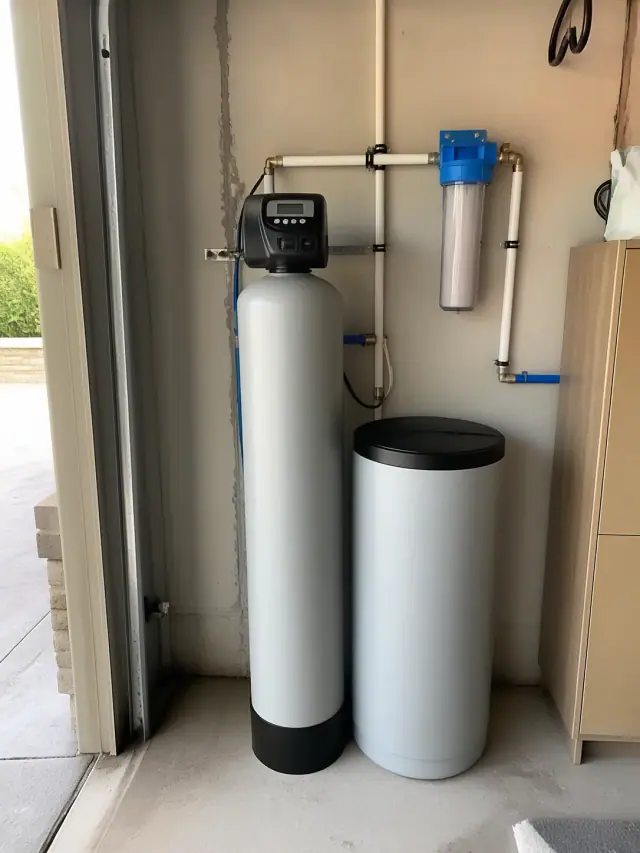
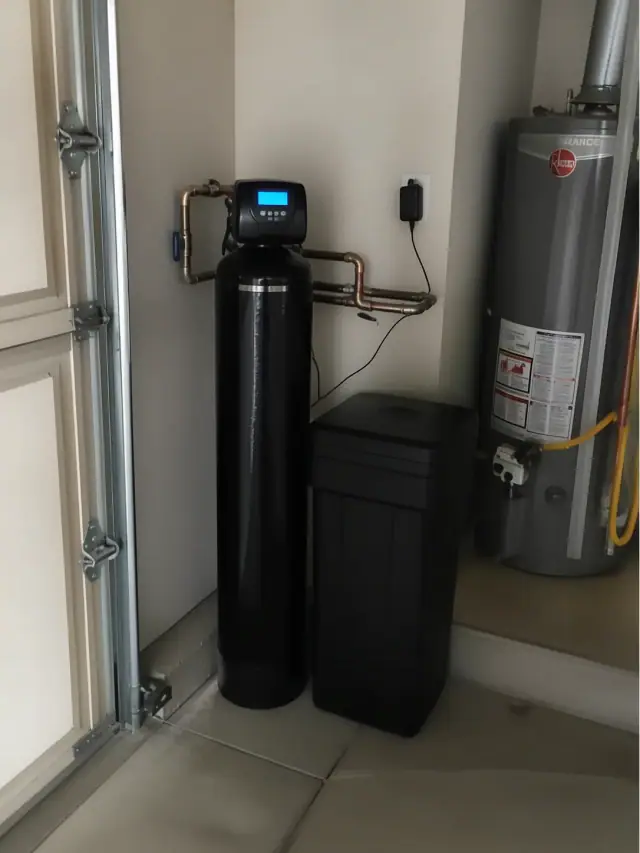
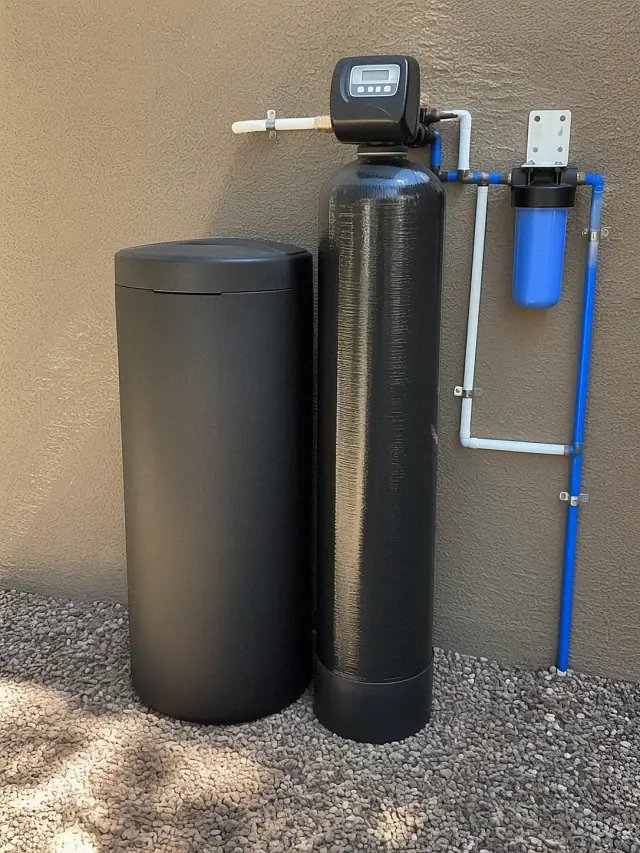
Water softeners target the calcium and magnesium minerals that create scale on glass, faucets, water heaters, dishwashers, and supply lines. For Gilbert and the surrounding East Valley, salt-based ion exchange remains the most effective approach for severe hardness because it removes hardness minerals before they reach the rest of the home. We handle resin tank placement, brine tank setup, bypass valve installation, drain routing, and control-valve programming for your measured hardness and water use.

Explore Service

Reverse Osmosis

Placeholder image 2

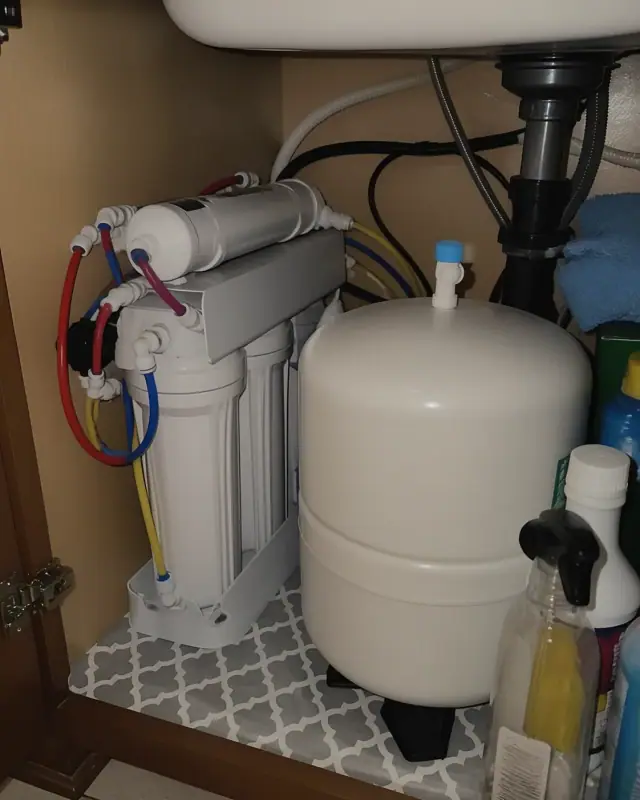
Reverse osmosis treats a different set of drinking-water concerns than a softener. An under-sink RO system can address chloramines, nitrates, dissolved solids, and taste or odor compounds at the kitchen tap. We install 4- and 5-stage systems with sediment pre-filtration, carbon block filtration, an RO membrane, and polishing post-filtration so the drinking-water system works with your whole-home treatment plan.

Explore Service

Whole House Filtration

Placeholder image 3

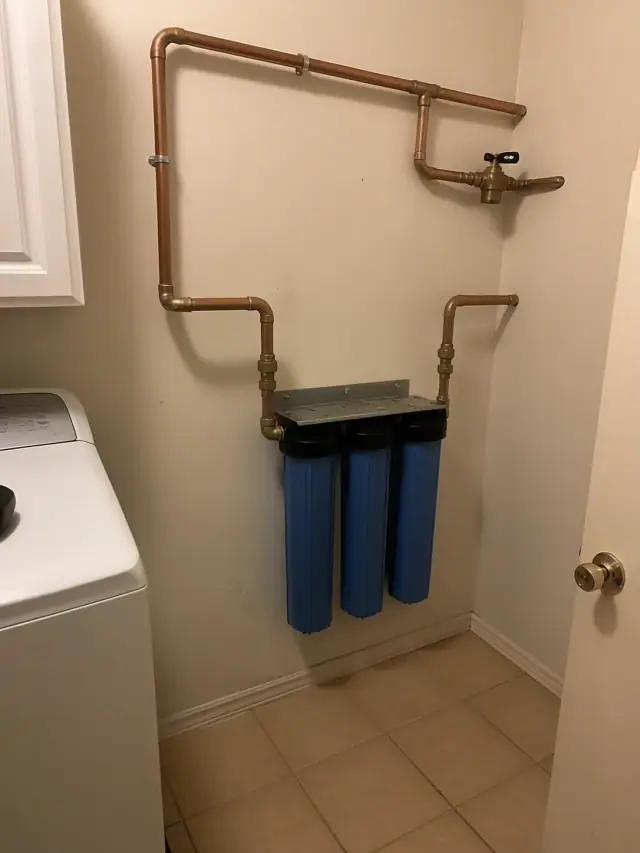
Whole-house filtration treats water before it reaches showers, fixtures, laundry, and appliances. Depending on your test results, filtration may include sediment protection, whole-house carbon for chloramines and volatile organic compounds, or targeted treatment for iron that can stain fixtures and laundry. We sequence filtration correctly with softening and RO so each component protects the next instead of reducing efficiency.

Explore Service

Water Softener Repair

Placeholder image 4

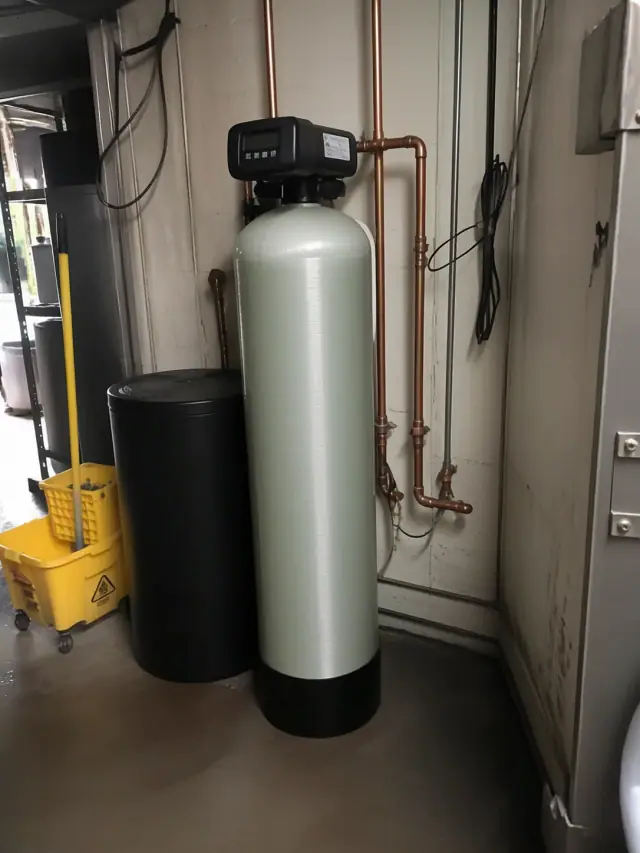
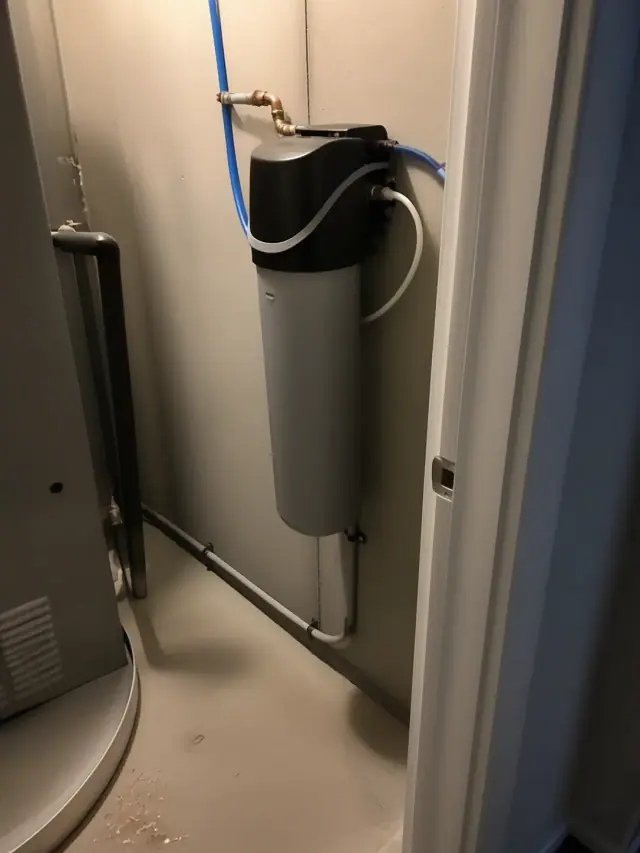
When a softener stops delivering soft water, the issue may be a salt bridge, resin fouling, control valve error, brine draw failure, or an installation setting that no longer matches your water use. We inspect the system, check how it regenerates, and look for the point where hardness is passing through. Repair recommendations stay focused on restoring performance before replacement is considered.

Water Softener Maintenance

Placeholder image 5

Routine maintenance helps a softener keep up with East Valley mineral loads. Service can include checking salt levels, clearing salt bridges, confirming brine draw, reviewing valve settings, and watching for resin-bed performance issues. With proper maintenance and sizing, a salt-based water softener in Arizona commonly lasts 10-20 years.

Residential Water Softener Systems

Placeholder image 6

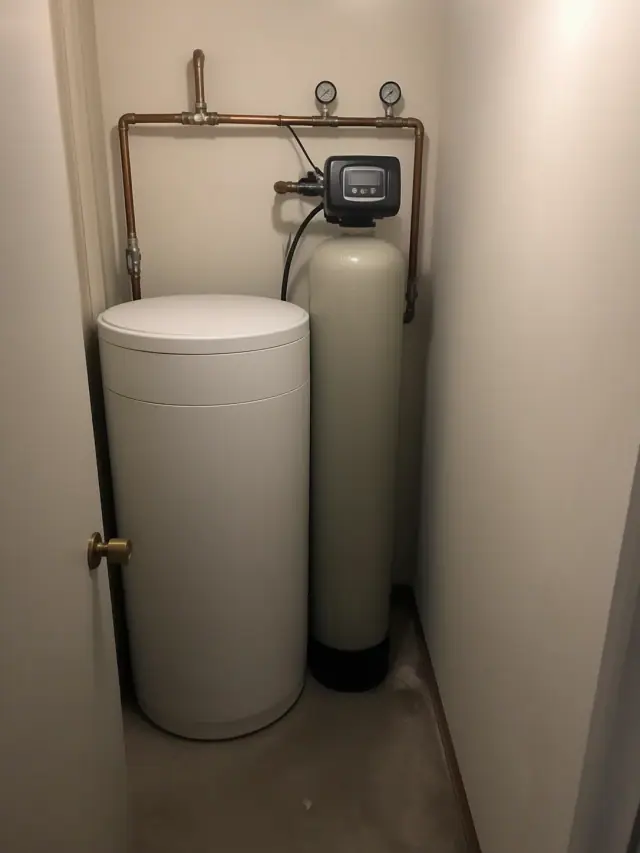
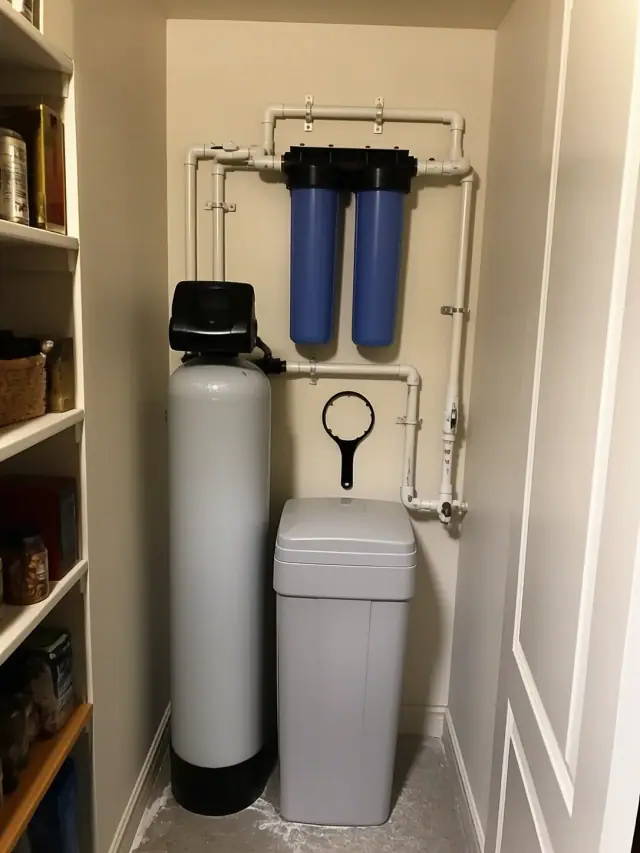
Residential systems are sized around measured hardness, household occupancy, daily use, peak flow demand, and the plumbing layout in the garage or utility area. Many Gilbert and East Valley homes built from the mid-1990s onward include a pre-plumbed softener loop, which can reduce installation complexity. We help match the home to an appropriate single-tank or higher-capacity system instead of relying on a generic regional average.

Salt Water Softener Installation

Placeholder image 7

Salt water softener installation refers to a salt-based ion exchange system with a resin tank and brine tank. These systems remove calcium and magnesium from the incoming supply, then regenerate the resin bed with a controlled brine cycle based on capacity and water usage. We install and program the unit so the bypass, drain line, brine tank, and control valve are serviceable and suited to Gilbert water hardness.

Saltless Water Softener Installation

Placeholder image 8

Saltless systems and conditioners work differently from salt-based ion exchange softeners, so expectations matter. They do not remove calcium and magnesium in the same way a true softener does, which is important in Gilbert water that has been documented around 12.7 grains per gallon. We can explain where a saltless option may fit, where it may fall short, and when a salt-based softener, carbon filtration, or RO system is the better match for your goals.

Commercial Water Softener Installation

Placeholder image 9

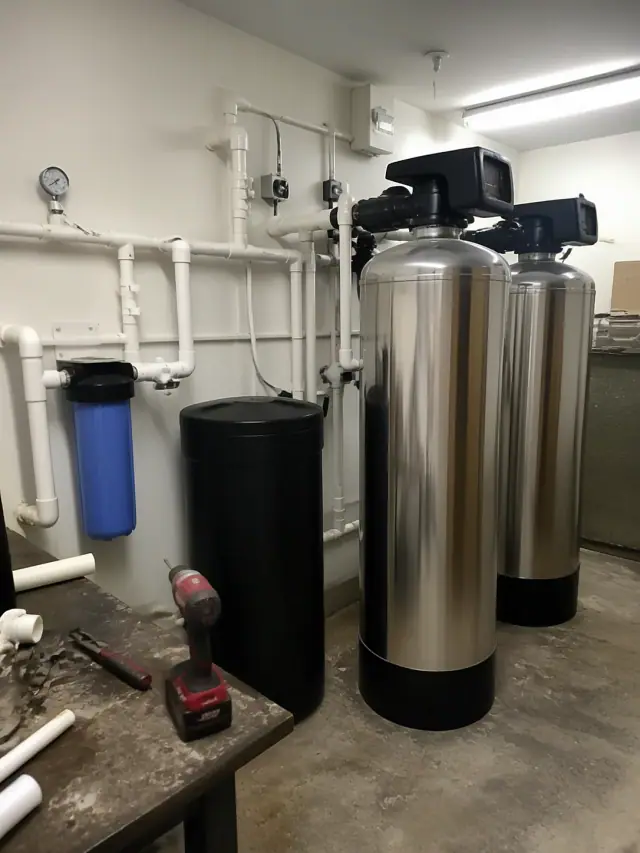
Commercial properties need water treatment sized for fixture count, peak demand, equipment protection, and service access. We can install larger-capacity softeners and high-capacity twin-tank configurations where the application requires more consistent soft water. Businesses that also need drinking-water quality or odor control can pair softening with carbon filtration or point-of-use reverse osmosis.

Carbon Filtration Additional Treatment

Placeholder image 10

Carbon filtration is a valuable add-on when chloramines, taste, odor, or volatile organic compounds are part of the concern. In Gilbert and nearby East Valley systems, carbon pre-filtration is especially important ahead of an RO membrane because chloramines can shorten membrane life if they are not reduced first. Carbon can be installed as whole-house treatment or as part of a staged drinking-water system.

System Selection

How to Choose the Right Water Treatment System in Gilbert

Choosing the right system starts with measured water quality, not a guess based on ZIP code. Gilbert hardness around 12.7 GPG is above the U.S. Geological Survey very-hard threshold of 10.5 GPG, while regional water can also carry chloramines, dissolved solids, sediment, and iron concerns. The best setup may be a softener alone, an RO system at the kitchen, whole-house carbon, or an integrated sequence that handles several issues at once.

Measure Hardness at the Tap

A local water test shows the hardness, chlorine or chloramine presence, iron, sediment, and other indicators affecting your actual supply. Testing at your tap avoids unnecessary equipment and helps separate a hardness problem from a taste, odor, or particulate problem.

Size Resin Capacity to Usage

The softener needs enough grain capacity to handle your household or business demand between regeneration cycles. We factor in occupants, daily use, peak flow, and measured hardness so the resin bed is not undersized, overworked, or left idle too long.

Select Demand-Initiated Regeneration

Modern demand-initiated systems regenerate based on actual water use rather than a fixed timer. A meter on the outlet side tracks capacity usage, which can reduce unnecessary salt and water use compared with older time-clock units.

Sequence Softener, Carbon, and RO Correctly

Treatment order matters when a home needs more than one device. A well-planned sequence may include sediment pre-filtration, whole-house carbon, ion exchange softening, and point-of-use RO so each stage protects the next.

Check Softener Loop and Installation Access

A softener loop can make installation faster because the main cold-water supply is already stubbed out near a drain location. When a loop is not present, we plan the new piping, drain routing, bypass placement, and equipment location before quoting the installation.

Plan for Maintenance and Salt Loading

The best system layout is easy to service after installation. We account for brine tank access, salt loading space, control-valve visibility, bypass access, and future troubleshooting so the system stays practical for long-term use.

Gilbert Water Issues

Common Water Treatment Problems in Gilbert Properties

Hard water in Gilbert shows up as more than a chalky taste. At very-hard levels, calcium carbonate scale can build inside water heater tanks, dishwasher spray arms, faucet aerators, and supply lines, while chloramines and dissolved solids can affect drinking-water taste. A proper test helps identify whether the solution should be softening, filtration, RO, repair, maintenance, or a combination.

Test My Water

Scale on Fixtures and Glass

White spots on shower doors, faucets, tile, and aerators are mineral deposits left behind when hard water evaporates. A whole-home softener addresses the source by reducing hardness before water reaches those fixtures.

Dry Skin, Hair, and Soap Film

Hard water interferes with soap and shampoo lather and can leave mineral residue behind after rinsing. In Gilbert’s dry climate, removing hardness can make showers feel cleaner and reduce the film that builds on skin, hair, and bath surfaces.

Water Heater and Appliance Scale

Scale on a water heater element acts like insulation, forcing the appliance to work harder to heat the same volume of water. Dishwashers, washing machines, ice makers, and water heaters all benefit when hardness is treated before it reaches them.

Chalky Drinking Water Taste

A softener protects plumbing, but drinking-water taste may still be affected by chloramines, dissolved solids, nitrates, or odor compounds. An under-sink RO system targets those point-of-use concerns while the softener handles whole-home scale control.

Softener Not Drawing Brine

A softener that stops using salt or lets hard water through may have a salt bridge, brine draw issue, resin fouling, or control-valve problem. Repair starts by checking the regeneration cycle and the parts that move brine through the resin bed.

Chloramine, Sediment, or Iron Concerns

Some Gilbert-area homes need additional filtration for chloramines, sediment, or iron symptoms such as staining, particles, or metallic taste. Carbon, sediment, and targeted filtration can be added in the right order when testing shows they are needed.

Why Choose Us

Why Choose Mesa Water Softeners in Gilbert?

Gilbert customers need water treatment guidance that reflects East Valley water chemistry, not generic national recommendations. Mesa Water Softeners uses a test-first process, practical system sizing, clean installation practices, and clear recommendations for softeners, RO, whole-house filtration, carbon filtration, repairs, and maintenance. We explain what the test results mean and recommend the system that fits the problem instead of pushing unnecessary upgrades.

Local East Valley Water Expertise

Mesa, Gilbert, Chandler, Queen Creek, Tempe, Scottsdale, and Ahwatukee share many regional hardness and chloramine challenges from Salt River Project surface water, Colorado River supplies, and local groundwater. That local context helps us size and sequence systems for real East Valley conditions.

Clean, Serviceable Installation

A good installation is easy to operate and maintain later. We plan bypass valves, shutoff access, drain-line routing, brine tank placement, and connections for the plumbing material present, including copper, CPVC, PEX, or mixed layouts.

Clear Pricing and No Pressure

Most whole-house water softener installations in the Mesa and East Valley market fall between $1,499 and $2,850, depending on capacity and installation complexity. Households that eliminate hardness can save roughly $1,550 annually, with many systems paying for themselves within 20-26 months; we explain the numbers clearly before work begins.

Simple Process

Our Water Treatment Process in Gilbert

Every installation, repair, and maintenance visit follows a practical sequence: test the water, identify the problem, recommend the right equipment or service, install or repair cleanly, and verify operation. That process keeps the focus on measured conditions and long-term reliability instead of guesswork.

01.

Test Your Water

We start by testing your tap water for hardness and checking for signs of chlorine or chloramine, iron, sediment, and other issues that affect equipment selection. The test determines whether the main concern is scale, drinking-water quality, odor, staining, or a combination.

02.

Recommend the Right System

After testing, we explain the findings and match the solution to the actual problem. That may mean a softener, RO system, whole-house carbon, targeted filtration, repair, maintenance, or an integrated treatment sequence.

03.

Size and Plan the Installation

We calculate capacity from household usage, measured hardness, and peak flow demand, then inspect the installation location. Planning includes the softener loop, drain connection, 120-volt outlet, main cold-water line, and service clearance.

04.

Install and Program Equipment

Installation includes clean plumbing connections, bypass valve placement, drain-line routing, brine tank positioning, and control-valve programming. Programming is based on the system capacity and the water demand the unit is expected to handle.

05.

Verify Startup Performance

After installation, we complete startup testing and confirm that the system is operating as intended. We also review what the settings mean, how regeneration works, and how to recognize normal operation.

06.

Support Maintenance and Repairs

We remain available for ongoing maintenance, troubleshooting, and system support. Customers are shown how to check salt levels, identify a regeneration cycle, and watch for warning signs between service visits.

Result Examples

Water Treatment Outcomes for Gilbert Homes & Businesses

Case Study 1: Whole-home softening helps protect showers, faucets, dishwashers, washing machines, ice makers, water heaters, and supply lines from the scale that builds quickly in very hard water. The daily benefit is fewer spots, better soap performance, and less mineral residue on fixtures and laundry.

Case Study 2: A softener and an under-sink RO system work well together when a home needs both scale control and better drinking water. The softener protects the plumbing and appliances, while RO focuses on dissolved solids, chloramines, nitrates, and taste at the kitchen tap.

Case Study 3: For larger homes and businesses, higher-capacity or twin-tank configurations can be planned around peak demand and equipment protection needs. Add-on carbon filtration can also be included when chloramines, taste, odor, or membrane protection are part of the treatment goal.

Get Better Water

Schedule a Water Treatment
Consultation in
Gilbert

Ready to compare water softeners, reverse osmosis, whole-house filtration, repair, maintenance, salt-based systems, saltless options, commercial equipment, or carbon filtration for your Gilbert property? Request an estimate or call to schedule a test-first consultation.

Gilbert Water Help

FAQs About Water Softeners in Gilbert, AZ

These answers cover common questions about Gilbert water hardness, water softener installation, reverse osmosis, filtration, repair, maintenance, and system sizing. For exact recommendations, a water test at your tap is still the starting point.

Call Our Experts

In the Mesa and East Valley market, most whole-house water softener installations fall between $1,499 and $2,850, depending on capacity, water quality, and installation complexity. Standard labor commonly runs $200-$600, with equipment making up the rest of the project cost. Adding a reverse osmosis system during the same visit is typically $500-$800 more for combined equipment and labor.

Gilbert's municipal supply has been documented at approximately 12.7 grains per gallon. The U.S. Geological Survey classifies water above 7 GPG as hard and above 10.5 GPG as very hard. At this level, scale can build rapidly in water heaters, dishwashers, fixtures, and supply lines.

A salt-based ion exchange water softener in Arizona typically lasts 10-20 years with proper sizing and maintenance. High mineral loads make the resin bed work harder, so correct programming and regular checks are important. Undersized systems or neglected brine issues can shorten useful life.

A softener and an RO system solve different problems. The softener removes calcium and magnesium to protect plumbing and appliances from scale, while RO targets dissolved solids, chloramines, nitrates, and taste at the drinking-water tap. Many Gilbert homeowners use both for whole-home protection and better kitchen water.

A softener loop is a pre-plumbed connection on the main cold-water line, usually near the garage, that lets a softener connect without rerouting as much plumbing. It typically includes two stub-outs and a nearby drain location. Many Mesa, Gilbert, and Chandler homes built from the mid-1990s onward include a loop, but older homes may need one added.

Sizing depends on measured hardness, daily water use, number of occupants, peak flow demand, and the system capacity needed between regenerations. Common capacity ranges include 24,000, 32,000, 48,000, and 64,000 grains, but the right choice should be calculated for your property. A system that is too small can exhaust early, while one that is too large can sit idle too long.

Most single-family homes in Gilbert can accommodate a water softener if there is access to the main cold-water supply before the water heater. The installation also needs a drain connection, space for the resin and brine tanks, and a standard 120-volt outlet for the control valve. Homes without an existing loop may need additional plumbing work.

Maintenance includes checking salt levels, watching for salt bridges, confirming brine draw, reviewing valve settings, and checking whether the resin bed is still performing correctly. These checks help prevent hard water from slipping through between regeneration cycles. They also make it easier to catch small issues before they become larger repairs.

A softener that is not using salt may have a salt bridge, blocked brine line, brine draw failure, control valve issue, or resin problem. A repair visit starts by inspecting the brine tank and regeneration cycle. Once the cause is identified, the recommendation can focus on restoring normal softening rather than replacing equipment unnecessarily.

Salt-based ion exchange softeners remove calcium and magnesium from the water, which is why they are the strongest match for severe Gilbert hardness. Saltless conditioners do not remove those minerals in the same way, so they should not be treated as a direct replacement for true softening. We can help compare both options against your water test and expectations.

Gilbert-area municipal water can include chloramines, which require the right carbon pre-filtration before the RO membrane. Carbon helps protect the membrane from degradation and can also improve taste and odor. A staged RO setup often includes sediment filtration, carbon block filtration, the RO membrane, and a polishing post-filter.

Whole-house filtration and softening are not the same. Carbon and sediment filters can address chloramines, taste, odor, volatile organic compounds, and particles, but they do not remove hardness minerals like a salt-based softener. Many homes need both when they want scale control and broader filtration.

Commercial installations are usually sized around fixture count, peak flow, operating hours, and equipment protection needs. Larger systems or twin-tank configurations may be appropriate when a business needs more consistent soft water. Testing and sizing are still the starting points before equipment is selected.

Yes. Mesa Water Softeners serves Gilbert and the broader East Valley, including Chandler, Queen Creek, Tempe, Scottsdale, and Ahwatukee. Mesa had a population of 504,258 as of the 2020 census and borders Gilbert, so the company regularly works across the connected East Valley service area.

Watch salt levels, listen for normal regeneration cycles, and pay attention to sudden spotting, soap film, or hard-water feel returning at fixtures. Those changes can point to a salt bridge, brine draw issue, programming problem, or exhausted resin capacity. If the system behaves differently, a maintenance or repair check can identify the cause.