Proudly serving Mesa, Tempe, Phoenix, Chandler, Gilbert, Queen Creek & surrounding areasCall or Text 24/7: 602-905-5577
Aerial view of a residential neighborhood with terracotta-roof homes and desert landscaping in Mesa, AZ.

Water Softener Installation in Mesa, AZ | Salt & Salt Free New Installation and Repair, Whole-House Filtration & RO Integration

Mesa Water Softeners provides water softener installation in Mesa, AZ for homes and businesses dealing with hard water. We install salt-based ion exchange softeners, size systems to actual water demand, and integrate whole-house filtration when chlorine, sediment, or other issues need attention. Our team also pairs softeners with reverse osmosis drinking water systems and supports existing equipment with maintenance and troubleshooting. From Dobson Ranch to Red Mountain and the surrounding East Valley, we design systems around local water conditions instead of one-size-fits-all equipment.

Mesa water is supplied through desert source systems that carry heavy loads of calcium, magnesium, and bicarbonate minerals. In many local zones, hardness commonly falls in the 200 to 300 ppm range, which is far above the threshold where scale, soap scum, and appliance wear become noticeable. A properly sized softener helps protect water heaters, dishwashers, washing machines, faucets, shower glass, and plumbing from ongoing mineral buildup. We begin with a water quality analysis, explain the right equipment options, and provide clear pricing before installation begins.

Request a free water softener quote in Mesa when you want cleaner plumbing, easier cleaning, and a system matched to your household or commercial water demand. We can evaluate hardness, chlorine, iron, sediment, pH, and total dissolved solids before recommending equipment.

Mesa Water Softeners provides water softener installation throughout Mesa and the greater Phoenix metro area, including Tempe, Phoenix, Scottsdale, Chandler, Gilbert, Glendale, Peoria, Goodyear, Avondale, Surprise, Queen Creek, Apache Junction, Paradise Valley, Fountain Hills, Cave Creek, Laveen, Ahwatukee, Guadalupe, and more.

★ ★ ★ ★ ★4.8/5.0 Customer Rating · 21 Years of Water Treatment Experience · 1,000+ Water Systems Serviced · Licensed, Bonded & Insured · Home & Business Water Solutions

Water Softener Systems & Benefits

Water Softener Installation for Mesa Hard Water

Water softener installation adds a point-of-entry treatment system that handles the hardness minerals Mesa homeowners see every day as scale, spots, soap scum, and stiff laundry. A whole-house setup treats the water before it reaches the water heater, laundry, dishwasher, showers, and faucets, so the benefits show up throughout the property rather than at one sink.

Most conventional systems use ion exchange technology. Water passes through a resin bed that captures calcium and magnesium ions and exchanges them for sodium ions, then the resin is recharged during a brine regeneration cycle. Because Mesa water can run high in hardness, system capacity and regeneration programming matter as much as the equipment brand.

Our recommendations are based on actual test results, plumbing layout, daily water use, and whether the home already has a softener loop. When chlorine, chloramines, sediment, iron, or drinking-water preferences are part of the issue, we can also discuss filtration add-ons or a reverse osmosis system for the kitchen tap.

Benefits of a Properly Sized Water Softener

The right water softener does more than reduce visible scale. In Mesa, it can help appliances run more efficiently, make cleaning easier, and give the household a more comfortable day-to-day water experience.

  • Reduces calcium and magnesium scale before it reaches fixtures and appliances
  • Helps protect tank and tankless water heaters from insulating mineral buildup
  • Cuts down soap scum on shower glass, tubs, sinks, and tile
  • Improves soap and shampoo lather so rinsing feels cleaner
  • Keeps laundry from feeling as stiff after repeated washing
  • Reduces chalky dishwasher film and hard-water spotting on dishes
  • Uses sizing and programming based on Mesa hardness and household demand
  • Can pair with filtration or reverse osmosis when water quality calls for more than softening
Water Softener Services

Water Softener Services

We handle water softener projects from the first test through installation, startup, and ongoing support. Each service is built around Mesa water conditions, the property's plumbing, and the amount of water the home or business actually uses.

Whole-House Water Softener Installation

Whole-house water softener installation with copper piping in a garage in Mesa, AZ.

A whole-house softener treats water at the point of entry so every major fixture and appliance benefits. We connect the softener to the home's plumbing, install the bypass valve, secure the drain line with the proper air gap, and confirm soft water at startup.

Request Estimate

Custom Water Testing & System Sizing

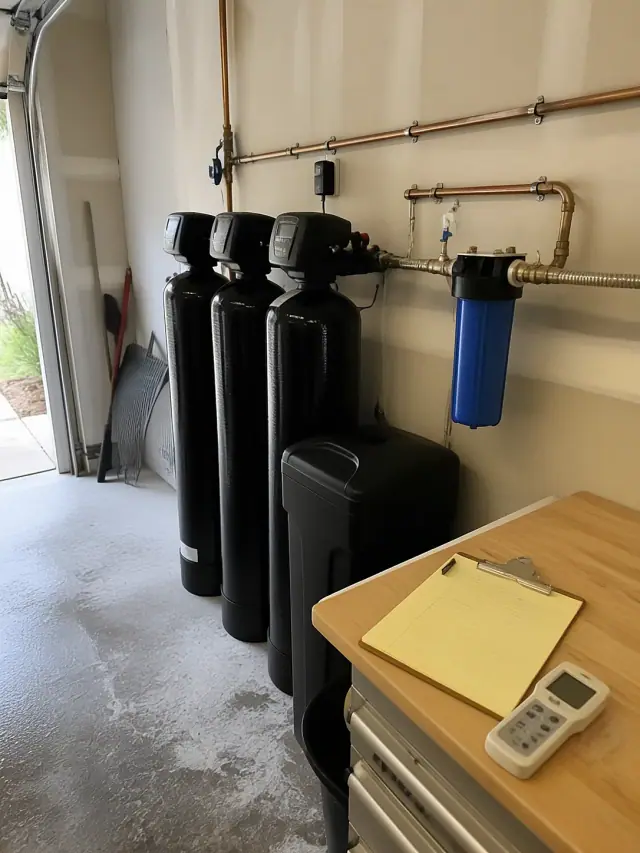
Whole-home water filtration system installed in a garage in Mesa, AZ, with a water testing meter on a workbench.

Every recommendation starts with water testing for hardness, chlorine, chloramines, iron, sediment, pH, and total dissolved solids. Those results guide resin type, grain capacity, regeneration frequency, and whether pre-filtration or post-filtration should be added.

Request Estimate

Reverse Osmosis Pairing

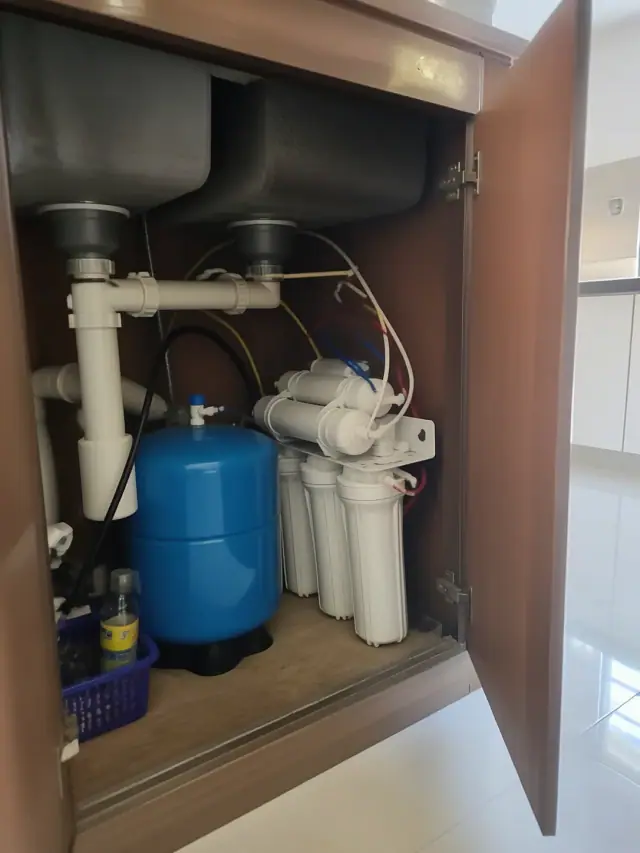
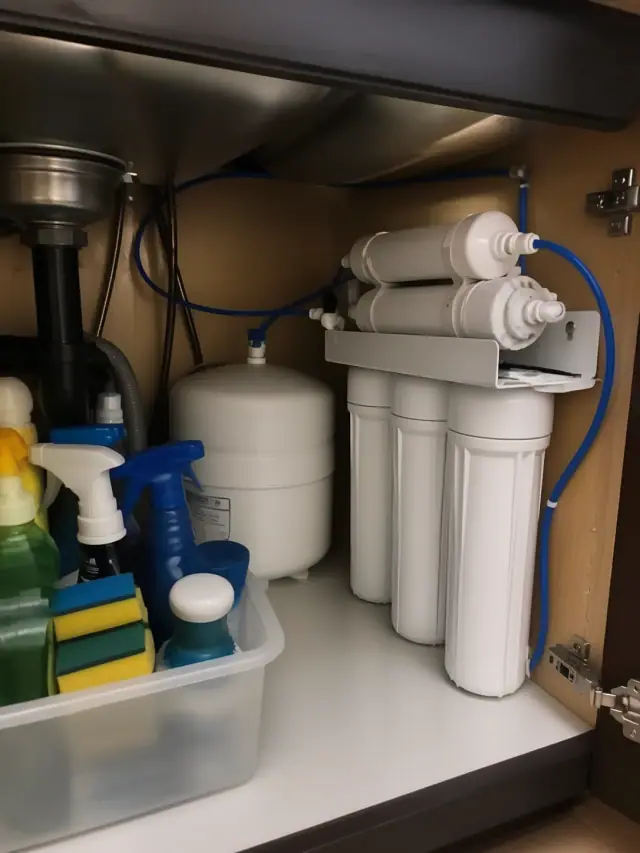
Reverse osmosis system installed under a kitchen sink in a home in Mesa, AZ.

For drinking and cooking water, a reverse osmosis system can be paired with a salt-based softener at the kitchen tap. This is especially useful for customers who want the scale protection of true softening while reducing residual sodium and dissolved minerals in their drinking water.

Request Estimate

Whole-House Filtration Integration

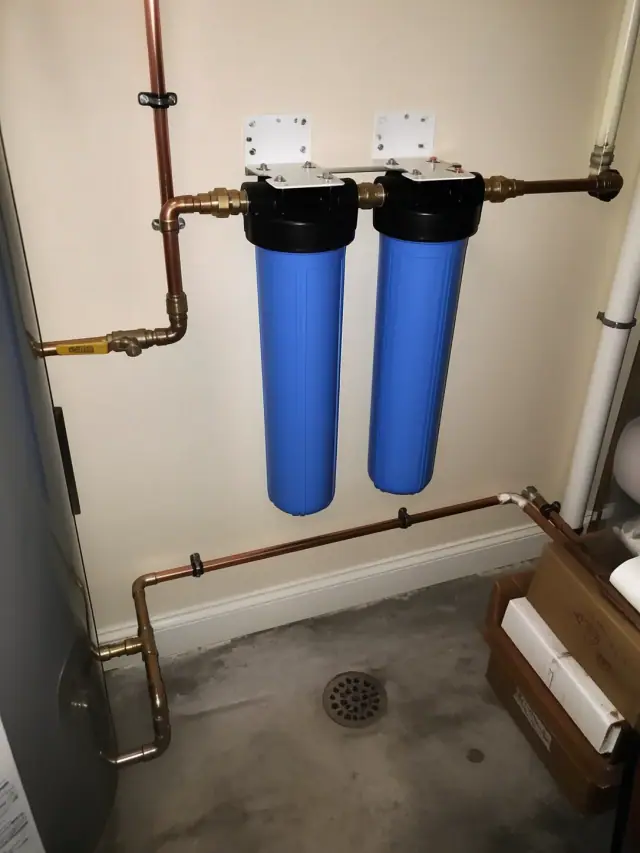
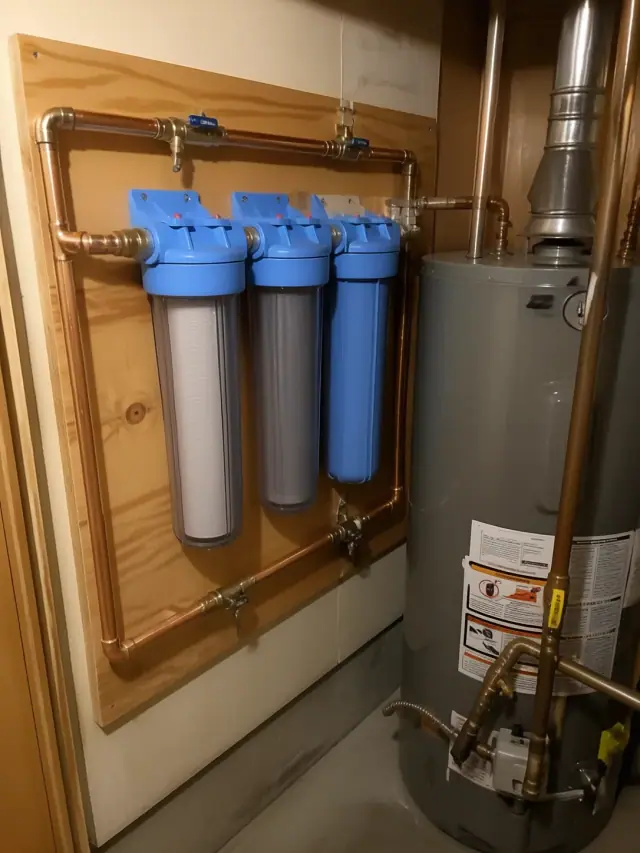
Whole-house water filtration system with copper piping installed in a residential utility room in Mesa, AZ.

Some Mesa homes need more than hardness removal. We can integrate filtration for chlorine, chloramines, sediment, or other source-specific concerns so the softener is protected and the household gets treatment matched to the full water test.

Request Estimate

Commercial Water Softener Installation

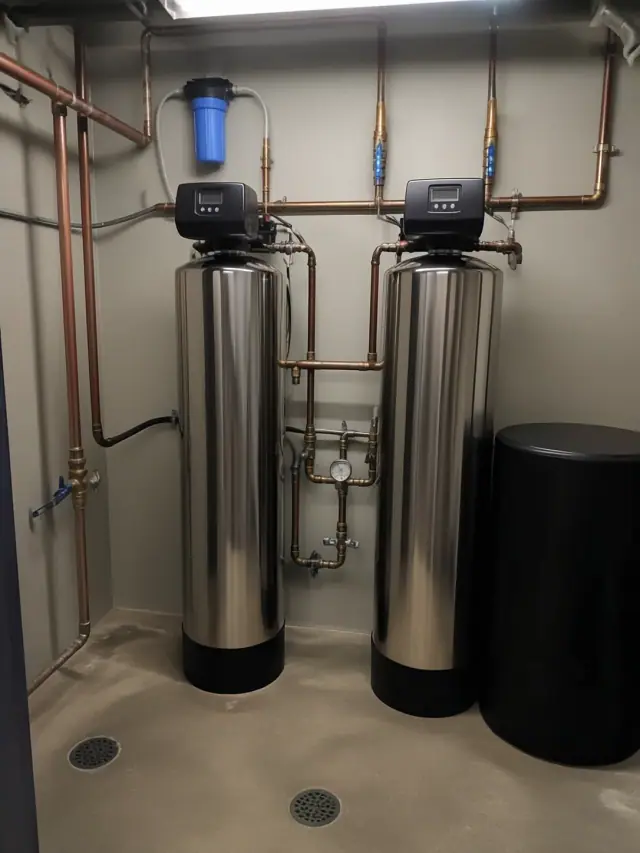
Commercial water softener system with stainless steel tanks and copper piping in a utility closet in Mesa, AZ.

Restaurants, car washes, medical offices, dental practices, hotels, and light industrial facilities use higher water volumes and can suffer expensive scale-related downtime. We size commercial systems by flow rate, daily gallon demand, hardness level, resin volume, and regeneration needs.

Request Estimate

Water Softener Maintenance & Repair

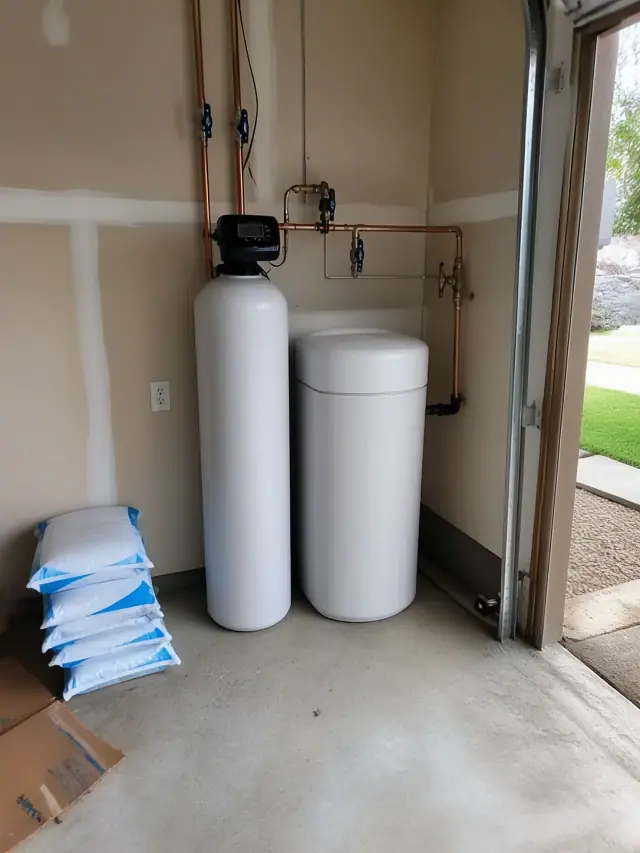
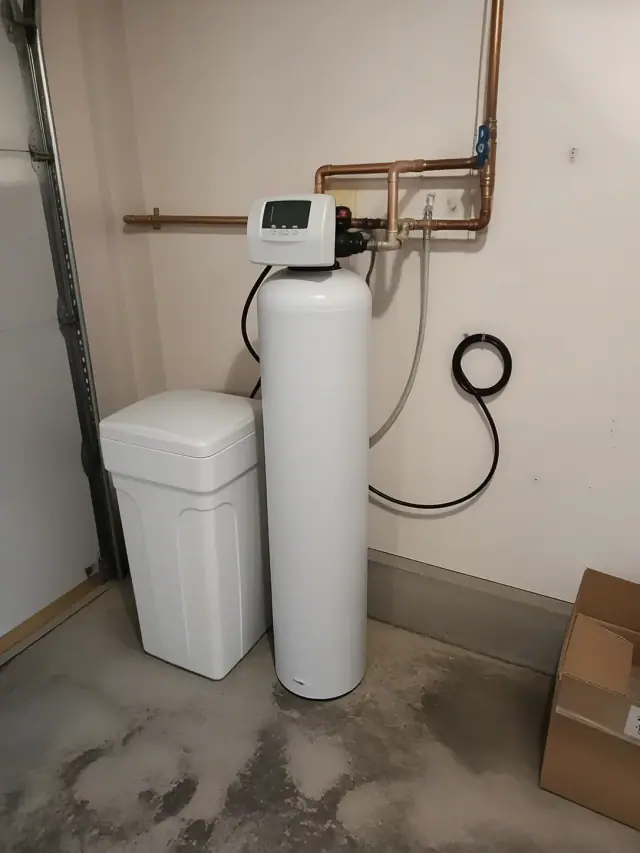
Water softener system with white tanks and copper pipes installed in a garage in Mesa, AZ.

Existing softeners need occasional service to keep resin, brine tanks, injectors, seals, and control valves working correctly. We troubleshoot hard-water breakthrough, salt bridges, brine draw problems, iron fouling, control valve issues, and older systems where repair-versus-replacement needs a clear answer.

Request Estimate
Water Softener System Types

Types of Water Softener Systems

Mesa's hard water can be managed with several equipment approaches, but each one works differently. We explain the tradeoffs between true hardness removal, scale conditioning, filtration add-ons, and drinking-water polishing before you choose a system.

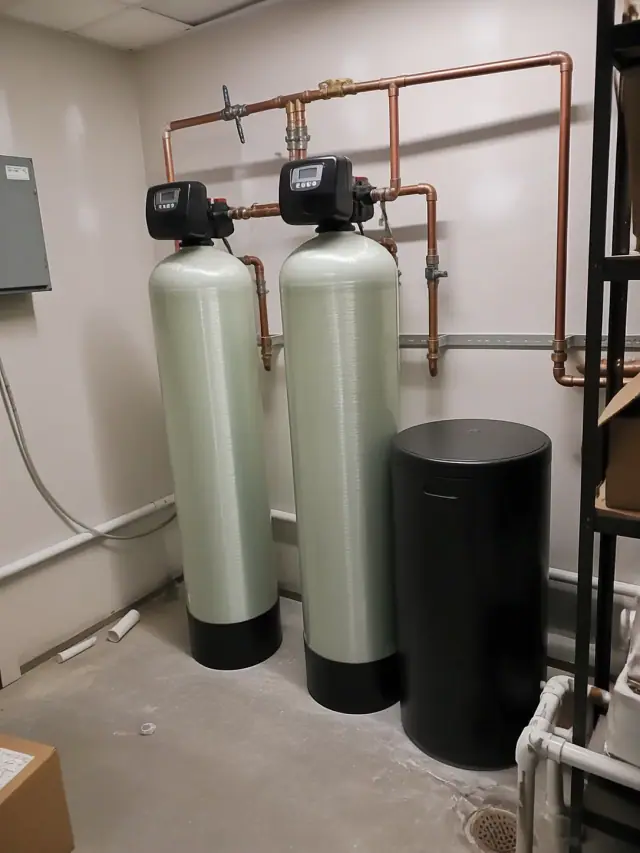
Two salt-based water softener resin tanks with copper piping installed in a Mesa, AZ utility room.

Salt-Based Ion Exchange Softeners

Salt-based ion exchange is the standard method for actually removing calcium and magnesium hardness from household water. It is the strongest fit for many Mesa properties because it turns hard water into soft water before minerals can keep collecting on fixtures and heating surfaces.

  • Removes hardness minerals with a resin bed rather than only conditioning them
  • Regenerates with brine to recharge the resin for the next service cycle
  • Works well for high-hardness readings common in Mesa neighborhoods
  • Requires correct grain capacity based on hardness and daily water use
  • Can be paired with reverse osmosis for drinking and cooking water
Request Softener Estimate
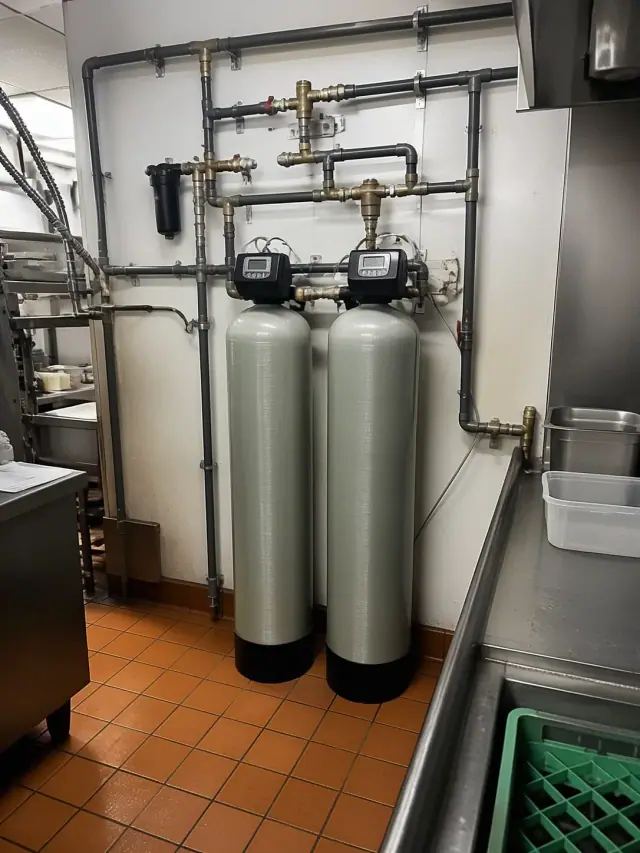
Two industrial water filtration tanks installed in a restaurant kitchen in Mesa, AZ.

Demand-Initiated Regeneration Systems

Demand-initiated regeneration uses a metered control valve so the softener regenerates after processing a set volume of water, not just because a timer says it should. In Mesa's hard-water environment, this helps reduce wasted salt and water compared with older fixed-schedule systems.

  • Regenerates based on actual gallons used
  • Avoids unnecessary cycles during low-use periods
  • Helps control salt and water waste over the life of the system
  • Uses digital programming matched to tested hardness
  • A smart upgrade for households with changing schedules or seasonal use
Compare System Options
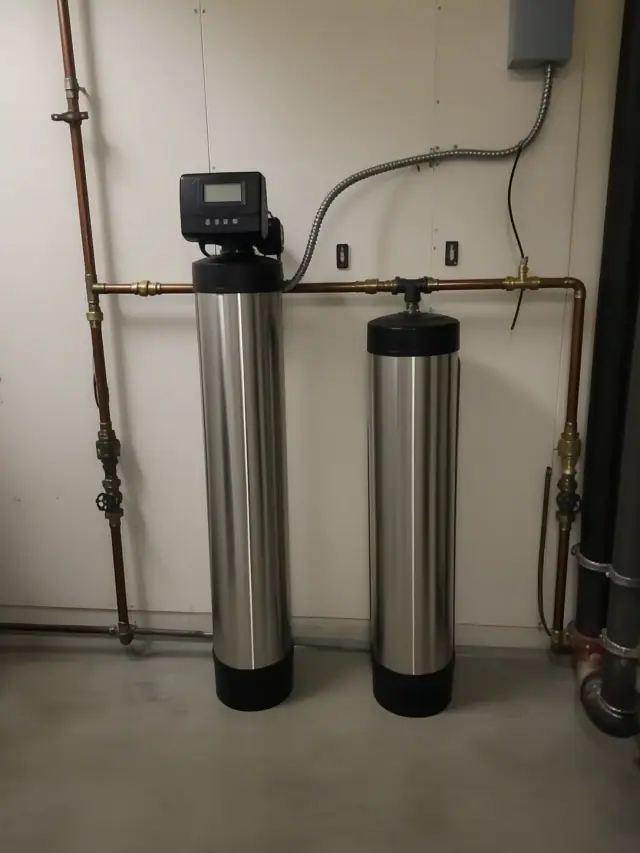
Two stainless steel water conditioning tanks with copper piping installed in a mechanical closet in Mesa, AZ.

Saltless Conditioning Options

Saltless conditioners do not remove calcium and magnesium the way ion exchange softeners do. They are better understood as scale-control systems that change how minerals behave, which may be appropriate for some customers but is not the same as true soft water.

  • Does not require a salt tank or brine regeneration cycle
  • Leaves hardness minerals in the water rather than removing them
  • May reduce how readily minerals adhere to surfaces
  • Can be considered when salt use or discharge is a concern
  • Should be chosen only after comparing it against measured hardness and goals
Ask About Saltless Options
Whole-house water filtration system with copper piping installed in a utility closet in Mesa, AZ.

Whole-House Filtration Add-Ons

Hardness is only one part of water quality. When testing shows chlorine, chloramines, visible sediment, or iron concerns, filtration can be placed before or after the softener to address non-hardness issues and protect the system.

  • Targets water quality concerns that softening alone is not designed to solve
  • Can address chlorine and chloramine treatment needs identified during testing
  • Helps manage sediment seen in some areas during distribution system flushing
  • Protects softening resin when iron or particulate issues need upstream treatment
  • Built into the layout during installation for cleaner long-term service access
Request Water Testing
Reverse osmosis system installed under a kitchen sink cabinet in Mesa, AZ.

Reverse Osmosis Drinking Water Systems

Reverse osmosis is often used at the drinking-water tap when homeowners want more polishing than a whole-house softener provides. It can reduce residual sodium and dissolved minerals from the water used for drinking and cooking while the softener protects the rest of the home.

  • Installed for drinking and cooking water at a point-of-use tap
  • Pairs well with a salt-based whole-house softener
  • Useful for households that want to reduce sodium in drinking water
  • Adds a focused solution without sacrificing whole-home scale protection
  • Recommended based on test results and customer water preferences
Explore RO Pairing
Finding Your Right Fit

Choosing the Right Water Softener System

The best water softener for a Mesa property depends on hardness in grains per gallon, daily water volume, peak demand, plumbing access, drain location, electrical access, and whether the goal is true softening, scale control, filtration, drinking-water polishing, or a combination. We use those details to avoid undersized systems that regenerate too often and oversized systems that cost more than the property needs.

Local Mesa Water Expertise

Mesa water can vary by source blend and neighborhood, from west-side areas near Tempe to northeast communities near Red Mountain. We account for local hardness patterns, known plumbing layouts, softener loop availability, and the demands of Arizona's dry climate when recommending a system.

Testing Before Recommendations

We do not recommend equipment from a catalog guess. A water quality analysis identifies hardness, chlorine, chloramines, iron, sediment, pH, and total dissolved solids so system size, resin, pre-filtration, and regeneration settings match the actual water at your property.

Clean Installation & Long-Term Support

Installation quality matters after the first week as much as it matters on day one. We focus on neat plumbing layouts, secure bypass and drain connections, pressure-tested fittings, clear startup instructions, and ongoing support for salt management, annual maintenance, troubleshooting, and future upgrades.

What Sets Us Apart

Why Choose Us for Water Softener Installation?

Mesa Water Softeners combines local water knowledge with practical installation work: test first, size correctly, install cleanly, then support the system after startup. That approach helps homeowners and businesses avoid generic recommendations, hidden surprises, and equipment that cannot keep up with Mesa's hard-water conditions.

Get a Free Assessment

Scale on Faucets and Showerheads

White or tan crust around faucet bases, showerheads, and aerators is a direct sign that calcium and magnesium are dropping out of the water. A whole-house softener reduces the minerals before they reach the fixtures, making buildup easier to control.

Soap Scum and Spotty Dishes

Hard water interferes with soap lathering and leaves a mineral film behind after rinsing. That shows up as stubborn shower-door scum, chalky dishwasher film, and spots on glassware even when the appliance is running properly.

Dry Skin, Dull Hair, and Stiff Laundry

Mineral film from hard water can make skin feel dry, hair feel dull, and clothing feel stiff after repeated washing. Softened water helps soap and detergent rinse more completely, reducing the residue that causes those comfort complaints.

Water Heater Popping or Rumbling

A popping or rumbling water heater often points to scale collecting on the tank floor or heating surface. As minerals build up, the heater has to push heat through that layer, which can raise energy use and shorten equipment life.

Restricted Flow in Older Plumbing

In copper and galvanized systems, long-term scale can narrow the effective pipe diameter and contribute to pressure or flow problems. Softening does not reverse every old-pipe issue, but it helps prevent new hardness scale from continuing to collect.

Salt Bridges and Softener Performance Issues

Arizona's dry climate can contribute to salt bridging, where a hard crust forms in the brine tank and prevents proper brine formation. If a softener suddenly stops delivering soft water, the brine tank, injector, control valve, and resin condition should all be checked.

How It Works

Our Water Softener Process

Our installation process is designed to move from testing to a working system without guesswork. We inspect the property, size the equipment, explain the options, complete the plumbing cleanly, verify performance, and leave you with clear maintenance guidance.

01.

Water Quality Testing

We test hardness, chlorine, chloramines, iron, sediment, pH, and total dissolved solids so the recommendation starts with measurable water conditions. This step determines whether the project needs a softener alone or a combination of softening, filtration, and reverse osmosis.

02.

Home Plumbing Assessment

Next, we check the softener loop if one is present, identify the main line, confirm shutoff valve operation, look at drain and electrical access, and evaluate installation space. Homes without a loop may need additional plumbing before the system can be connected.

03.

System Sizing and Recommendation

We size the softener by hardness level, daily water use, peak demand, household size, and commercial flow requirements when applicable. Correct sizing prevents frequent regeneration, hard-water breakthrough, and unnecessary equipment cost.

04.

Clean Installation and Bypass Setup

During installation, we set the softener, connect the inlet and outlet, install or verify the bypass, secure the drain line with an air gap, position the brine tank for salt access, and pressure-test the connections before startup.

05.

Programming and Startup Testing

After the plumbing is complete, we program the control valve for the measured hardness and expected water demand. We verify brine draw, confirm soft water at the outlet, and explain what the regeneration cycle sounds like so the system is not a mystery after we leave.

06.

Maintenance Guidance and Support

Before the project is finished, we review salt type, salt level, bridge checks, and when to schedule annual maintenance. For existing systems, we can also diagnose control valve issues, injector clogs, iron-fouled resin, brine draw failures, and performance problems.

Get Better Water

Schedule a Water Softener
Installation
Consultation

Stop guessing at what your Mesa water needs. Request an estimate for water softener installation, testing, filtration integration, reverse osmosis pairing, or maintenance support, and we will help you choose a system based on real water conditions and your property's demand.

Service Help

Water Softener FAQs

Have questions about water softener installation in Mesa, salt-based systems, saltless options, maintenance, pricing, or reverse osmosis pairing? These answers cover the issues we discuss most often during water testing and installation consultations.

Call Our Experts

Yes. Mesa's hard water makes a softener especially useful because scale buildup affects water heaters, plumbing fixtures, dishwashers, washing machines, shower glass, and cleaning routines. A properly sized demand-initiated system can also reduce wasted salt compared with older fixed-timer equipment while helping appliances work with less mineral buildup.

If you use municipal water in Mesa and see faucet crust, shower scum, spotty dishes, stiff laundry, or a noisy water heater, a softener is worth testing for. Hardness varies by neighborhood and source blend, so we recommend measuring your water before selecting a system.

A standard residential water softener installation in Mesa typically ranges from about $1,900 to $3,300 depending on system size, plumbing configuration, and whether a softener loop is already in place. Homes that need a new loop or extra plumbing work cost more, so we provide upfront pricing before work begins.

For most homeowners, a residential water softener is treated as a home improvement rather than a federal tax deduction. Some medical or business situations may be different, so confirm the details with a tax advisor who can evaluate your specific circumstances.

Reliability depends heavily on the control valve, resin grade, correct sizing, and installation quality. Fleck and Clack control valves are widely serviceable options with strong industry track records, but the best system for a Mesa property is one sized to your hardness, daily volume, and plumbing setup.

A standard residential installation with an existing softener loop usually takes two to four hours. If the home needs a new softener loop or significant plumbing modification, the project may take four to six hours depending on access and pipe material.

Keep the brine tank at least one-quarter full, use the salt type recommended for your system, and check for salt bridges or mushing. Annual maintenance should include brine tank cleaning, resin and valve inspection, hardness testing, bypass checks, and injector or seal inspection as needed.

Salt-based ion exchange softeners remove calcium and magnesium hardness from the water. Saltless conditioning systems do not remove those minerals; they change how minerals behave so they are less likely to adhere to surfaces, which means the water is conditioned but not truly softened.

Demand-initiated regeneration uses a meter to track how much water has passed through the resin bed. Instead of regenerating on a fixed schedule, the system regenerates only when capacity has been used, which avoids unnecessary brine cycles during lower-use periods.

Yes. Many Mesa homeowners use a whole-house salt-based softener for scale protection and a reverse osmosis system at the kitchen tap for drinking and cooking water. This setup is useful when customers want to reduce residual sodium and dissolved minerals in the water they consume.

Our water quality analysis checks total hardness, iron, pH, chlorine and chloramine levels, total dissolved solids, and visible sediment. These results guide the system size, resin choice, regeneration settings, and whether filtration or reverse osmosis should be included.

Many Mesa homes built after the mid-1990s include a pre-plumbed water softener loop, but not every property has one or has one in usable condition. We verify the loop, shutoff valves, drain access, electrical access, and available space before installation.

Yes. We install commercial water treatment systems for restaurants, car washes, medical offices, dental practices, hotels, and light industrial facilities. Commercial sizing is based on flow rate, daily gallons, hardness level, resin volume, and the operational schedule of the business.