Useful Life Answer
A water softener lasts as long as it can keep delivering consistent results without repeated service problems. Age matters, but current condition matters more.
Mesa Water Softeners helps homeowners think through water-softener age without jumping straight to a replacement decision. The useful life of a system depends on condition, maintenance history, water use, and whether performance problems are getting worse.
A water softener lasts as long as it can keep delivering consistent results without repeated service problems. Age matters, but current condition matters more.
Look at maintenance history, water use, softening performance, visible wear, and whether the same issue keeps coming back after service.
Before approving a replacement, ask what was inspected, which symptoms were found, and whether repair is still a sensible option.
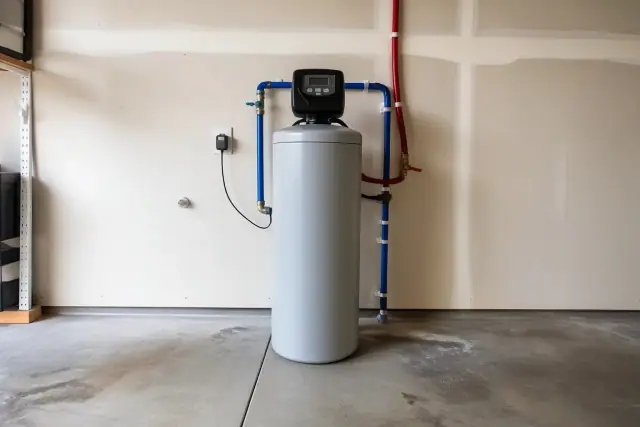
The installed unit, control area, and nearby connections so visible condition can be compared with performance concerns.
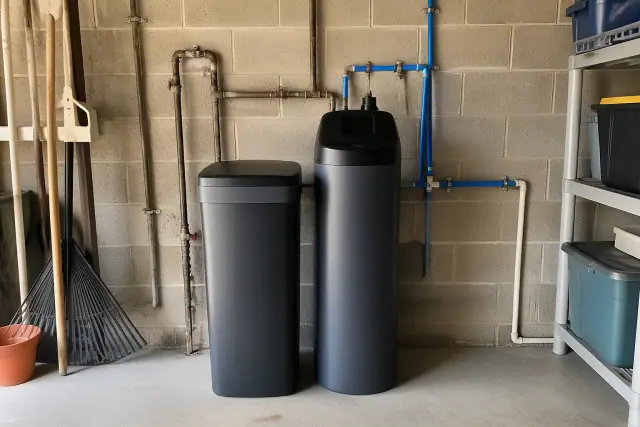
A useful comparison image helps separate a small service issue from a system that may no longer be reliable.
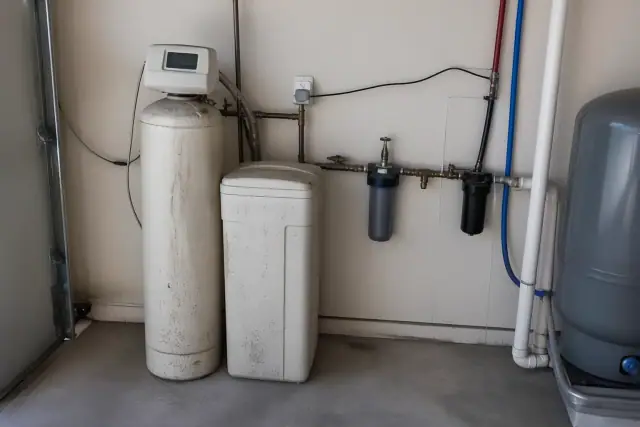
The notes, symptoms, and observed condition that support the recommendation before a homeowner schedules work.
The right answer depends on the unit's condition, not just its age or the date it was installed.
Maintenance history, household demand, visible wear, and recurring performance changes can shift the recommendation.
Act sooner when softening performance drops, symptoms return after service, or the unit shows signs of decline.
Avoid replacing a system based on age alone when the actual symptom, inspection result, and service options are still unclear.
| Situation | What It Usually Means | Recommended Action |
|---|---|---|
| Softening still feels consistent | The system may have usable life left, but age and settings still matter. | Document current performance before deciding on replacement. |
| Performance changes keep returning | The issue may involve condition, maintenance history, or parts nearing the end of service. | Compare repair scope with expected reliability. |
| Leaks, noise, or major decline appear | A replacement conversation may be reasonable after inspection confirms the cause. | Ask what was checked and why replacement is recommended. |
For an Arizona homeowner, the practical answer is to treat lifespan as a condition question. If the system is still producing dependable soft water, a service check may be more useful than immediate replacement; if problems return quickly or the unit is declining, replacement may be worth discussing after inspection.
The biggest factors are the system's current condition, how consistently it softens water, whether problems repeat after service, and whether repair would restore reliable performance. A replacement recommendation should explain those findings clearly instead of relying on a generic age estimate.
The next questions are usually whether maintenance can extend useful life, whether a repair is still worthwhile, and what symptoms point toward replacement. Those answers depend on the unit's condition, performance history, and the inspection findings at the home.
Share the system age, what has changed, and any symptoms you have noticed. A local technician can help compare service and replacement options before you approve work.