Proudly serving Mesa, Tempe, Phoenix, Chandler, Gilbert, Queen Creek & surrounding areasCall or Text 24/7: 602-905-5577
Aerial view of a residential neighborhood with terracotta-roof homes and desert landscaping in Mesa, AZ.

Professional Water Quality Testing in Mesa, AZ

Mesa Water Quality Testing from Mesa Water Softeners gives homes and businesses in Mesa, Arizona, a clear picture of what is coming from the tap. Our in-home analysis checks hardness, chlorine and chloramine residuals, iron, sediment, pH, and total dissolved solids with calibrated meters and lab-grade methods. When a private well or contamination concern calls for more, we coordinate certified laboratory testing for bacteria, nitrates, arsenic, and other relevant markers. The results can guide reverse osmosis, whole-house filtration, carbon filtration, or salt-based and saltless water treatment without relying on a generic equipment formula.

Mesa's municipal supply blends Salt River Project surface water with groundwater wells. The resulting hard water can leave scale on fixtures, cloudy glassware, and extra mineral load inside water heaters and plumbing. We measure conditions at your property because citywide compliance data cannot show what older galvanized lines, newer PEX plumbing, or a private well add after water reaches the property. Every recommendation starts with written results, plain-language thresholds, and clear pricing before treatment is discussed.

Book a free water quality test in Mesa to replace guesswork with property-specific numbers. Mesa Water Softeners serves Mesa, Gilbert, Chandler, Tempe, Queen Creek, and Apache Junction.

Mesa Water Quality Testing provides water softener installation throughout Mesa and the greater Phoenix metro area, including Tempe, Phoenix, Scottsdale, Chandler, Gilbert, Glendale, Peoria, Goodyear, Avondale, Surprise, Queen Creek, Apache Junction, Paradise Valley, Fountain Hills, Cave Creek, Laveen, Ahwatukee, Guadalupe, and more.

★ ★ ★ ★ ★4.8/5.0 Customer Rating · 21 Years of Water Treatment Experience · 1,000+ Water Systems Serviced · Licensed, Bonded & Insured · Home & Business Water Solutions

What Professional Water Testing Reveals

Why In-Home Water Analysis Matters in Mesa

The City of Mesa's Water Resources Department collects more than 30,000 samples annually from wells, reservoirs, and the distribution system for its Consumer Confidence Report. That public report shows the quality delivered through the municipal system, but it cannot describe water inside a particular home's pipes, heater, or fixtures. In-home testing fills that gap before any equipment recommendation.

A 1960s ranch home near Dobson Ranch with galvanized supply lines can present different iron and sediment concerns than newer construction in Eastmark with PEX plumbing. Sampling at the kitchen tap and, when useful, an outside hose bib helps separate household plumbing conditions from the incoming supply.

Private wells toward the eastern edge of Mesa and near Apache Junction need a broader panel because they are not continuously monitored like municipal water. Testing for coliform bacteria, nitrates, arsenic, total dissolved solids, hardness, and pH creates a documented baseline for the property.

What Your Water Quality Test Can Check

Each measurement answers a different treatment question. We explain the numbers in plain language so you know whether the concern points to softening, filtration, reverse osmosis, laboratory follow-up, or no immediate equipment change.

  • Hardness in grains per gallon using titration kits and digital meters
  • Chlorine and chloramine residuals that can affect taste, odor, skin, and hair
  • Dissolved and particulate iron linked with staining and older supply lines
  • Sediment load from household plumbing, distribution line work, or well sources
  • pH balance and its relationship to corrosion potential and softener performance
  • Total dissolved solids for drinking-water and reverse osmosis decisions
  • Coliform bacteria screening when well water or a known water event warrants it
  • Nitrates and arsenic in broader private-well laboratory panels
Testing Services

Mesa Water Quality Testing Services

We match the testing scope to the water source and the question you need answered. Municipal homes, private wells, businesses, and properties evaluating treatment each need different sampling points, measurements, and laboratory follow-up.

In-Home Municipal Water Testing

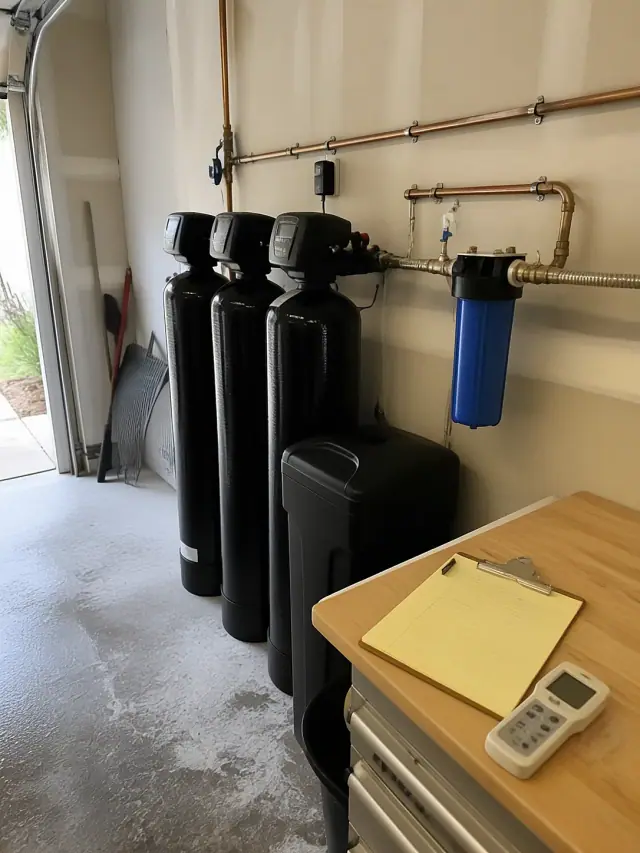
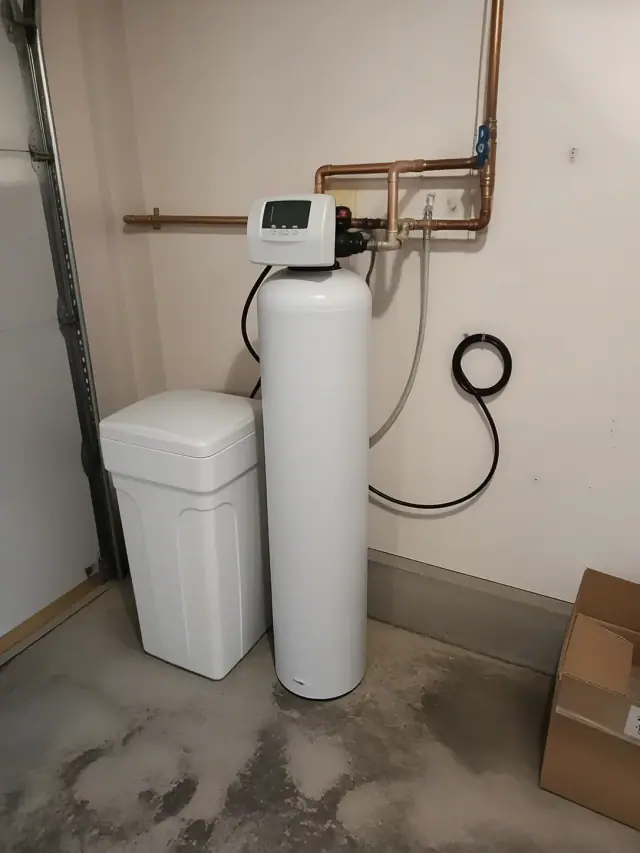
Whole-house water softener installation with copper piping in a garage in Mesa, AZ.

For Mesa municipal customers, we collect a kitchen-tap sample and may compare it with an outside hose bib to distinguish incoming water from conditions inside the home. Field testing covers hardness, chlorine, pH, iron, sediment, and total dissolved solids before treatment is discussed.

Request Estimate

Private Well Water Testing

Whole-home water filtration system installed in a garage in Mesa, AZ, with a water testing meter on a workbench.

Private wells require a broader look than municipal water because the source is not continuously monitored by a public utility. We can test field markers and coordinate certified laboratory panels for coliform bacteria, nitrates, arsenic, and contamination concerns.

Request Estimate

Hardness Testing in Mesa

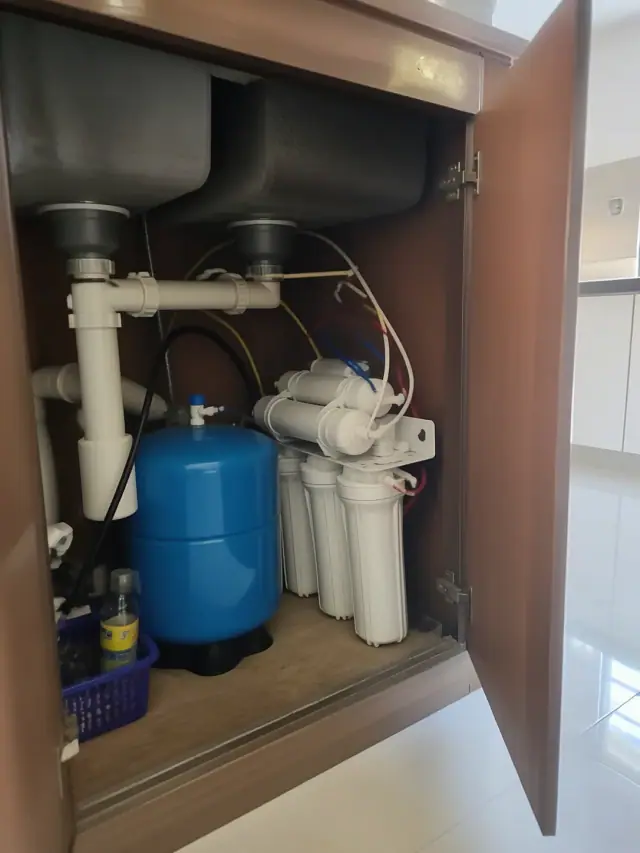
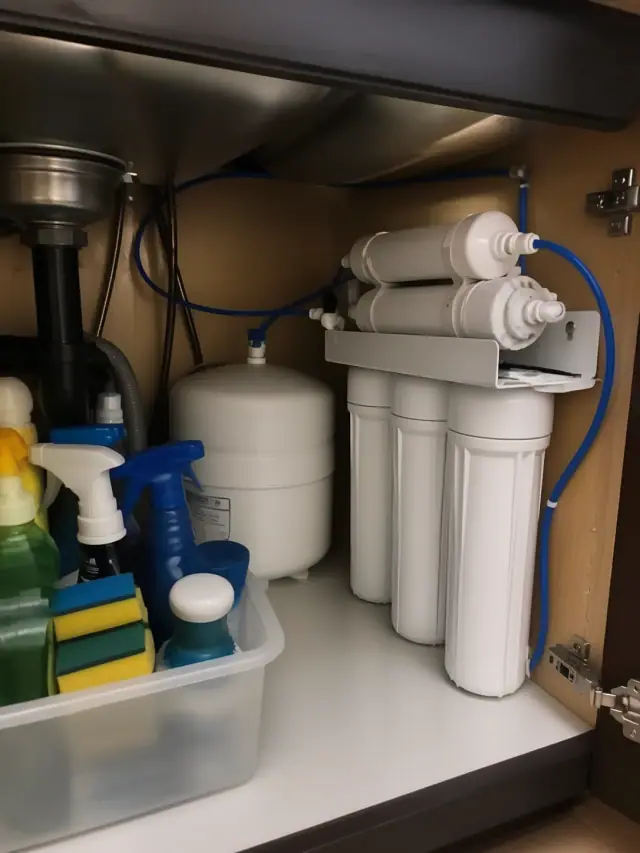
Reverse osmosis system installed under a kitchen sink in a home in Mesa, AZ.

Mesa water tests around 12.9 grains per gallon, while anything above 7 GPG is considered hard. We use titration kits and digital meters to provide an address-specific reading that can explain scale on shower doors, white crust around aerators, and cloudy glassware.

Request Estimate

Chlorine and Chloramine Testing

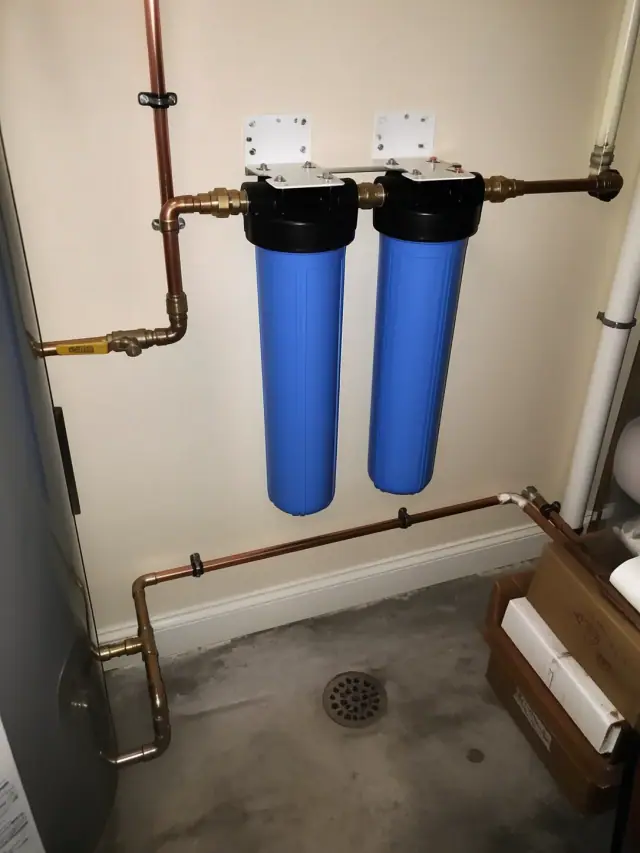
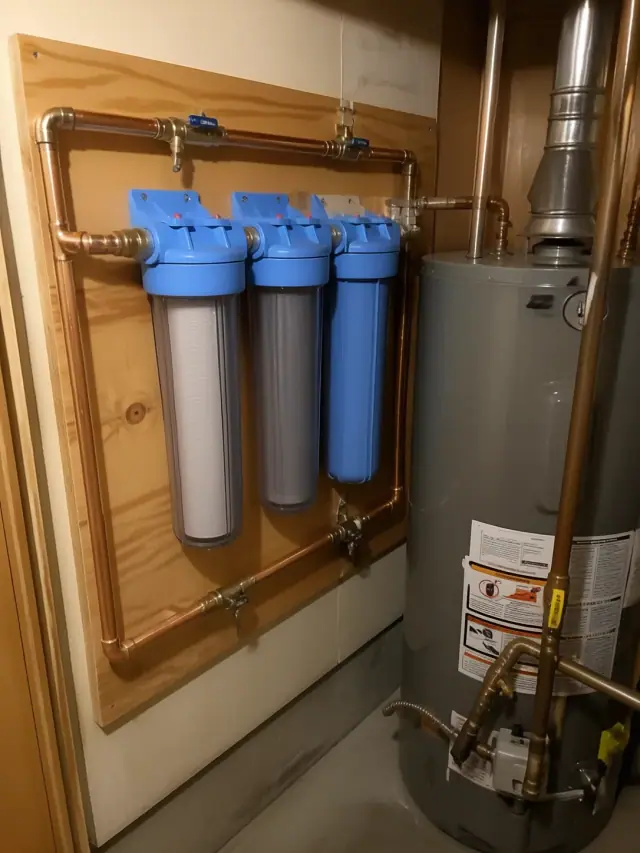
Whole-house water filtration system with copper piping installed in a residential utility room in Mesa, AZ.

Mesa uses chlorine and chloramine for distribution disinfection, and the residual level at a tap can vary with distance from treatment facilities and time in local mains. Direct testing helps connect taste, odor, skin, or hair concerns with the water actually reaching the property.

Request Estimate

Iron and Sediment Analysis

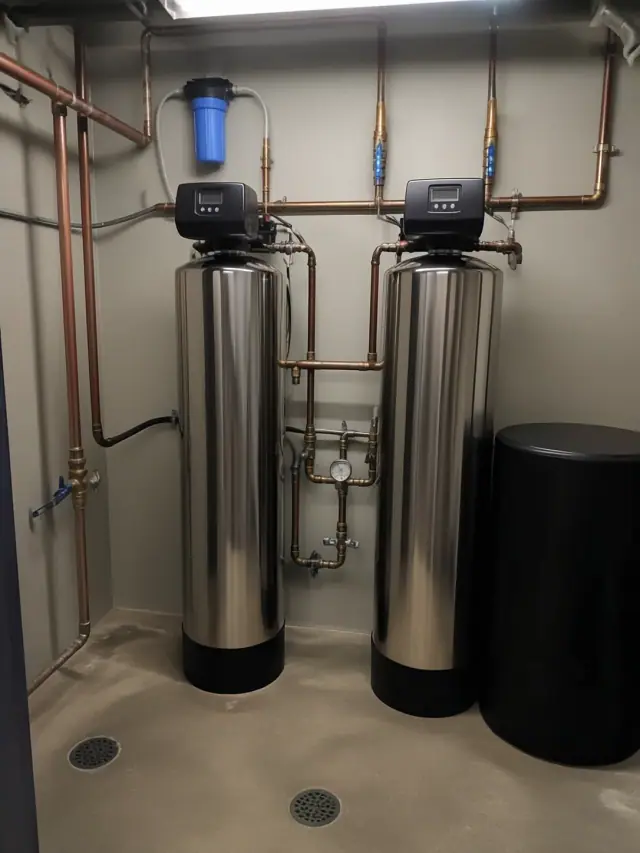
Commercial water softener system with stainless steel tanks and copper piping in a utility closet in Mesa, AZ.

We screen for dissolved and particulate iron along with visible sediment load. The findings help distinguish staining or grit associated with older cast-iron or galvanized lines from concerns that call for a sediment filter or targeted iron treatment.

Request Estimate

pH and Total Dissolved Solids Testing

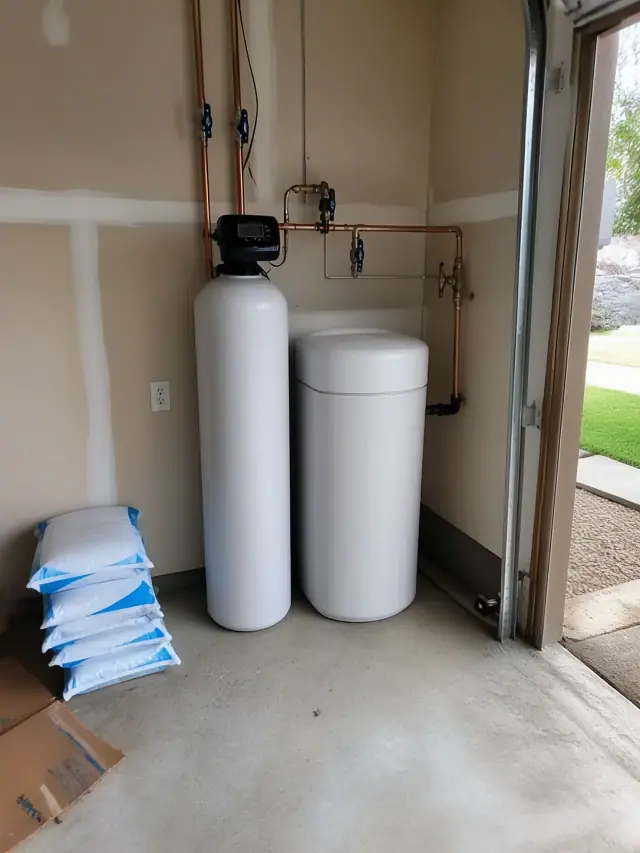
Water softener system with white tanks and copper pipes installed in a garage in Mesa, AZ.

pH testing shows whether water leans acidic or alkaline, which affects corrosion potential in copper plumbing and softener resin performance. Total dissolved solids testing adds context for drinking-water decisions and whether reverse osmosis deserves further consideration.

Request Estimate
How We Measure

Water Quality Testing Methods

Field measurements, source-specific sampling, and certified laboratory analysis answer different questions. We select the method that fits the property and provide results in writing so every next step is tied to measured conditions.

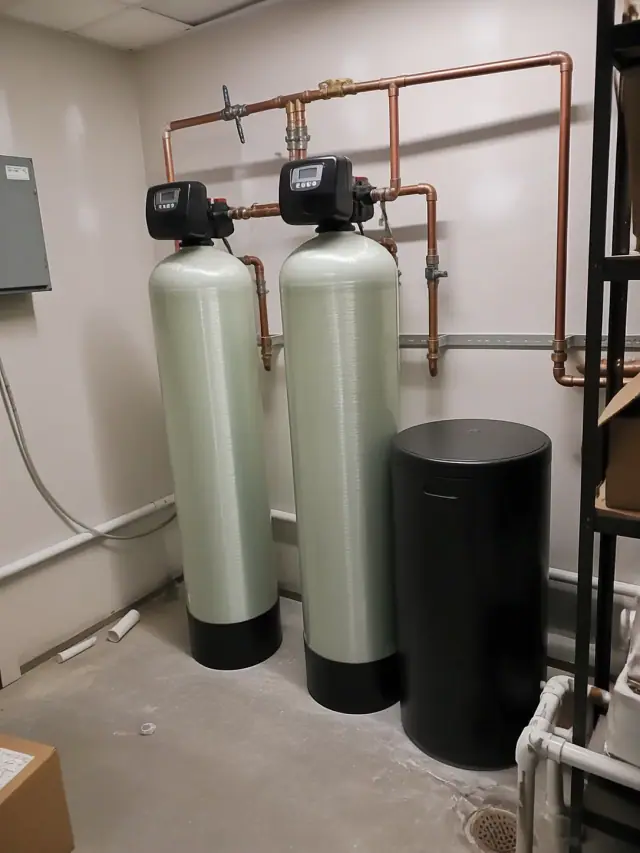
Two salt-based water softener resin tanks with copper piping installed in a Mesa, AZ utility room.

On-Site Meter and Titration Testing

Calibrated field instruments provide immediate measurements for the markers that shape most Mesa treatment decisions. Combining digital meters with titration kits is more useful than relying on a rough strip when the result will guide equipment.

  • Calibrated digital meters for pH and total dissolved solids
  • Titration kits for precise hardness readings in grains per gallon
  • Direct residual testing for chlorine and chloramine
  • Iron screening for dissolved and particulate concerns
  • Kitchen-tap and hose-bib comparisons when both sampling points are useful
Schedule In-Home Testing
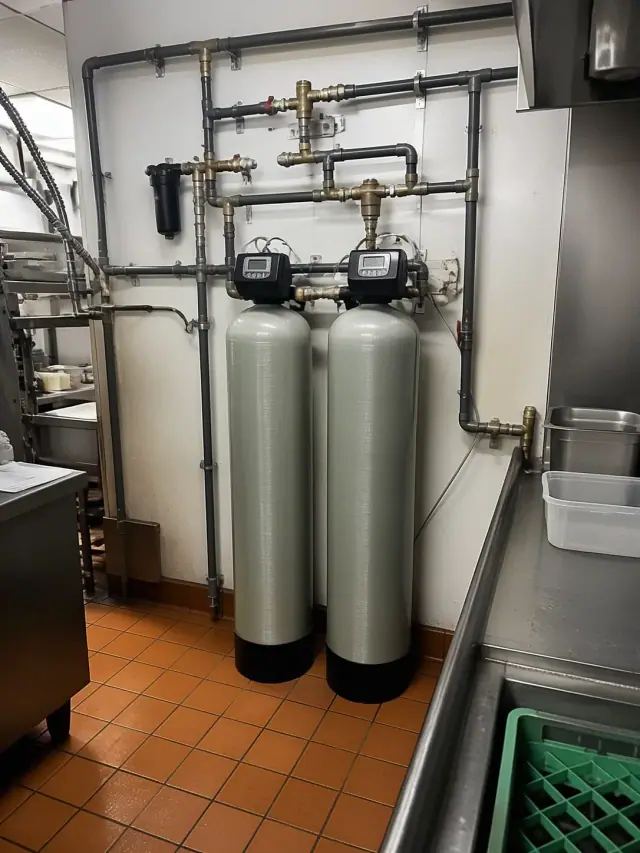
Two industrial water filtration tanks installed in a restaurant kitchen in Mesa, AZ.

Certified Laboratory Analysis

When bacteria, nitrates, or a broader contamination question is involved, we coordinate with a certified laboratory recognized by the Arizona Department of Health Services. The department maintains its state-certified tester list and can be reached at 602-364-0724.

  • Coliform bacteria and nitrate testing for private wells
  • Expanded analysis after flooding, construction, or a known water event
  • Arsenic and other source-appropriate markers when the panel calls for them
  • Written findings that create a documented property baseline
  • Upfront scope that accounts for third-party laboratory fees
Discuss Lab Testing
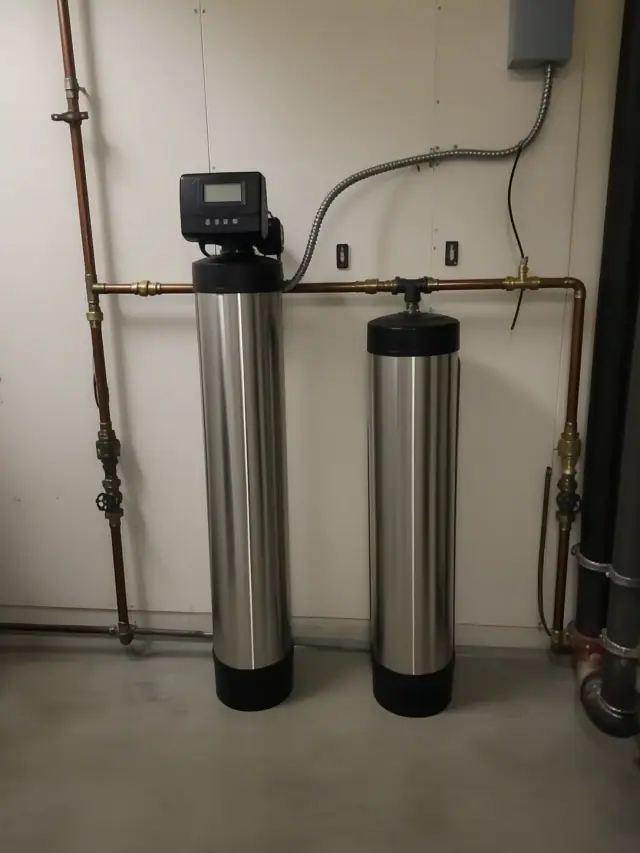
Two stainless steel water conditioning tanks with copper piping installed in a mechanical closet in Mesa, AZ.

Municipal and Private Well Testing

Municipal and private-well sources require different baselines. The city's annual report describes the shared public system, while property testing evaluates the tap, plumbing, or well source that a specific household or business uses.

  • Municipal reporting covers wells, reservoirs, and the distribution system
  • In-home testing considers pipes, fixtures, and the water heater after delivery
  • Private wells are not continuously monitored like municipal supply
  • Well panels can include coliform bacteria, nitrates, arsenic, hardness, pH, and dissolved solids
  • Well samples may come directly from the pressure tank or wellhead
Choose a Testing Scope
Whole-house water filtration system with copper piping installed in a utility closet in Mesa, AZ.

Testing for Treatment Planning

Test results keep treatment choices tied to a measurable problem. When equipment is appropriate, we discuss filtration and reverse osmosis components in the context of Water Quality Association guidelines and NSF/ANSI Standards 42, 53, and 58 rather than treating every technology as interchangeable.

  • Hardness results guide softener capacity and regeneration settings
  • Chlorine and odor concerns can point toward activated carbon filtration
  • Sediment or iron findings can shape whole-house pre-filtration
  • Dissolved solids and drinking-water goals can support an RO recommendation
  • Household usage keeps system sizing matched to actual demand
Plan Treatment Options
Reverse osmosis system installed under a kitchen sink cabinet in Mesa, AZ.

Follow-Up and Annual Testing

Water quality can change with the source, plumbing, nearby activity, or a new treatment system. Retesting creates a current baseline and confirms whether the water or installed equipment is performing as expected.

  • Annual testing is a reasonable baseline for municipal customers
  • Private wells should be checked at least once a year for bacteria and nitrates
  • Retest after flooding, nearby construction, or a change in taste or clarity
  • Use a follow-up test to confirm a new treatment system is working
  • New staining, spotting, odor, or scale is a practical trigger to test again
Schedule a Retest
From Data to Decisions

Turn Test Results Into the Right Treatment Plan

Hardness paired with elevated chlorine calls for a different approach than iron staining with neutral hardness. We compare the results with household usage, plumbing, and treatment goals so a softener, carbon filter, whole-house system, or reverse osmosis unit is sized to the actual job. That testing-first approach matters because correct sizing and installation can determine whether a softener delivers ten-plus years of reliable service or becomes a recurring problem.

Mesa Water Source Context

Mesa's blend of Salt River Project surface water and groundwater wells creates a different profile from a private well or a nearby city's supply. We use the source, address-specific readings, and plumbing context instead of carrying one neighborhood's assumptions into another property.

Measurements Before Equipment

We test before recommending a softener, filter, or reverse osmosis system. Calibrated results for hardness, disinfectant residuals, iron, sediment, pH, and dissolved solids keep the recommendation focused on the condition that is actually present.

Clear Results and Upfront Pricing

You receive the numbers in writing with a plain-language explanation of accepted thresholds and treatment choices. We outline pricing before testing or treatment begins, without hidden fees, surprise charges, or high-pressure sales tactics.

A Testing-First Approach

Why Choose Us for Water Quality Testing?

Mesa Water Softeners uses calibrated field tools, coordinates certified laboratory analysis when needed, and explains results in writing before recommending a system. You see what the numbers mean, which treatment categories address them, and what the scope will cost before work begins.

Book a Free Test

Scale, Spots, and Cloudy Glassware

White crust around faucets, scale on shower doors, and cloudy dishes are common signs of hardness minerals. Testing confirms the grains-per-gallon level before a softener is sized or another cause is considered.

Chlorine Taste and Odor

Chlorine and chloramine are necessary for municipal disinfection, yet residuals can affect taste and odor and may dry skin or hair with repeated exposure. Direct testing shows the level at your tap instead of assuming it matches a citywide average.

Iron Staining and Rust Flecks

Dissolved and particulate iron can leave staining or rust-colored flecks, especially where older cast-iron or galvanized service lines are involved. Testing separates an iron concern from ordinary hardness or loose sediment.

Sediment in Aerators and Fixtures

Grit caught in faucet aerators can come from household plumbing, an older service line, a private well, or temporary distribution work. A sediment assessment helps determine whether source correction or whole-house filtration is the practical next step.

Corrosion Concerns From pH

Water that leans too acidic or alkaline can affect corrosion potential in copper plumbing and how effectively a softener resin bed performs. An on-site pH measurement clarifies that condition before treatment is selected.

Private Well Contamination Concerns

Private wells need screening beyond the routine municipal markers, including coliform bacteria, nitrates, arsenic, and total dissolved solids. Certified laboratory analysis is appropriate when the question involves health-related contamination rather than taste, odor, or hardness alone.

How Testing Works

Our Water Quality Testing Process

Our documented process moves from the water source to clear results without guesswork. We choose the sampling points, take field measurements, identify any laboratory needs, explain each result, and connect the findings to a practical treatment or follow-up plan.

01.

Initial Water Sample Collection

We collect from the kitchen tap and, when relevant, an outside hose bib to compare household and incoming water. For a private well, the sample may come directly from the pressure tank or wellhead according to standard well-testing protocol.

02.

On-Site Field Measurements

Calibrated digital meters and titration kits measure hardness, chlorine, pH, iron, and total dissolved solids. These immediate readings show which concerns can be evaluated on site and whether the property needs more specialized analysis.

03.

Laboratory Panel Selection

We decide whether field testing answers the question or a certified laboratory panel is warranted. Private wells, bacteria or nitrate concerns, suspected arsenic, and known water events generally require a broader documented analysis.

04.

Certified Laboratory Coordination

When laboratory testing is appropriate, we coordinate with a state-recognized facility and follow the required collection and handling steps. The resulting documentation can support well-water decisions, contamination follow-up, or testing requested for a real estate or rental property.

05.

Written Results and Thresholds

You receive the measured numbers in writing rather than a verbal guess. We compare each figure with accepted thresholds and explain the difference between water that meets drinking-water rules and water that is better suited to your plumbing, appliances, and preferences.

06.

Treatment and Retesting Plan

We match the findings to the relevant option, whether that is softening, carbon filtration, sediment control, reverse osmosis, or no immediate equipment change. If treatment is installed, follow-up testing can confirm that it is performing as intended.

Know What's in Your Water

Schedule a Water Quality
Testing
Appointment

Stop relying on citywide averages or guesswork when address-specific results can show what your water needs. Book water quality testing in Mesa for a municipal home, private well, business, treatment decision, or follow-up check, and receive a clear explanation of the findings.

Testing Answers

Water Quality Testing FAQs

These answers cover in-home testing, Mesa's public water report, private-well panels, test frequency, costs, sampling, and the way results guide treatment.

Call Our Testing Team

For an address-specific picture, professional in-home testing is more useful than relying only on a system-wide report. Mesa Water Softeners measures hardness, chlorine, pH, iron, sediment, and dissolved solids on site and coordinates certified laboratory work when bacteria or contamination testing is warranted. Private-well owners should prioritize source-specific sampling and certified lab analysis.

Yes. Store-bought strips can provide a rough screen for pH, chlorine, and general hardness, while calibrated meters and titration kits produce measurements that are more useful for treatment decisions. Certified laboratory analysis is the standard when bacteria, nitrates, arsenic, or a contamination concern is involved.

The City of Mesa Water Resources Department publishes an annual Consumer Confidence Report explaining source water, municipal testing, and compliance with state and federal standards. The city's Water Quality division can be reached at 480-644-6461 for questions about public-supply data. The report reflects the distribution system, not conditions inside a particular property's plumbing.

A thorough test can reveal hardness in grains per gallon, chlorine or chloramine residuals, pH, iron, sediment, and total dissolved solids. A broader laboratory panel can also screen for coliform bacteria, nitrates, arsenic, and other source-appropriate markers. The combination helps connect scale, staining, taste, odor, or well-water concerns to measured conditions.

Annual testing is a reasonable baseline for municipal customers, especially when taste, odor, or scale has changed. Private wells should be tested at least once a year for bacteria and nitrates and again after flooding, nearby construction, or a change in taste or clarity. A follow-up test after treatment installation can confirm performance.

Mesa's municipal tap water meets state and federal drinking-water standards enforced under the Safe Drinking Water Act. Regulatory compliance does not mean the water is ideal for every home's plumbing, appliances, taste preferences, or skin and hair comfort. Testing helps identify those property-specific concerns without implying that compliant municipal water is unsafe.

Mesa's water is in the very hard category, which explains common scale on fixtures, cloudy glassware, and mineral buildup in water heaters. An on-site test is still valuable because the exact reading at a property can shape softener capacity and regeneration settings.

The Consumer Confidence Report summarizes municipal source and distribution-system monitoring. In-home testing measures the water after it has reached your property and passed through your service line, pipes, water heater, and fixtures. That distinction matters for older galvanized plumbing, sediment, iron, and address-specific disinfectant residuals.

A private-well panel should include coliform bacteria, nitrates, arsenic, total dissolved solids, hardness, and pH, with other markers selected for the source or concern. The sample may be collected at the pressure tank or wellhead following well-testing protocol. Because wells lack continuous municipal monitoring, certified laboratory results provide an important documented baseline.

For a home on municipal supply, samples commonly come from the kitchen tap and, when useful, an outside hose bib so household and incoming water can be compared. Well samples may come directly from the pressure tank or wellhead. The sampling point is chosen to match the question the test needs to answer.

Certified laboratory testing is appropriate for bacteria, nitrates, arsenic, suspected contamination, private-well concerns, or testing after a known water event. Field meters are useful for hardness, chlorine, pH, iron, and dissolved solids, but they do not replace a certified lab panel when health-related contamination is the concern.

A standard in-home screening for hardness, chlorine, pH, and iron has a smaller scope than a comprehensive panel with laboratory-verified bacteria or contamination testing. Private wells, multiple fixtures, documentation for a real estate or rental property, and third-party laboratory fees can increase the total. Mesa Water Softeners provides pricing before testing begins.

The results match each concern to the technology designed for it: a softener for hardness, activated carbon for chlorine taste and odor, sediment or iron filtration for particulate concerns, and reverse osmosis for point-of-use dissolved-solids reduction. A property testing at 15 GPG hardness with elevated chlorine needs a different setup from one showing iron staining with neutral hardness. Household usage and plumbing details then help size the selected equipment.